Credits

A production of

Delegación de Memoria Democrática de la Diputación de Valencia

Director

Bressol Produccions

Scipt and text

Carles Senso

Recording and audiovisual editing

Toni Lucas – Vicent Pons

Colour correction

Ricardo Fornés

Translations and subtitling

Desmond Graal – Maria Prats Vidal – Jota Martínez Galiana

Graphic design and web development

Music

Edu Comelles

Musical arrangements

Rafa Ramos Sania

Sound dubbing

Edu Comelles

Final song

Pau Alabajos. Ofici permanent a la memòria de Joan B. Peset, que fou afusellat a Paterna el 24 de maig de 1941. I (Del disc “Pau Alabajos diu Mural del País Valencià de Vicent Andrés Estellés”, Bureo Músiques, 2013)

Film archive

Cap 01 LA BARBÀRIE: Archivo fílmico de Internet Archive. Vídeos de dominio público y de (WITNESS.org) WFYI (TV)

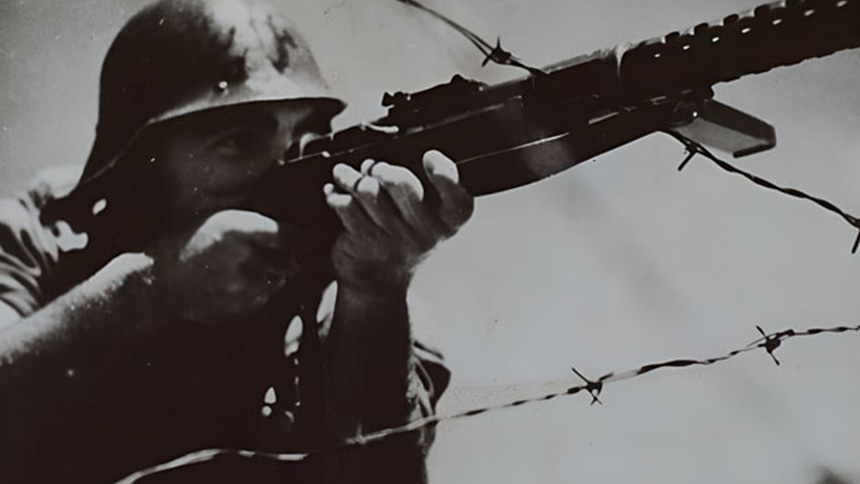
Cap 01 UN PAÍS EN GUERRA: «Epopée d’Espagne» (Bertrand Dunoyer, 1953). Ciné-Archives, fonds audiovisuel du PCF et du mouvement ouvrier. Película restaurada por el CNC.

Acknowledgements

Memorial 2238 Paterna. (Equipo técnico y artístico Memorial 2238: Pablo Sedeño Pacios, Vicente Olcina Ferrándiz y Francisco de Paula Rozalén Martínez).

Plataforma d’Associacions de Familiars de Víctimes del Franquisme de les Fosses Comunes de Paterna

Teresa Llopis Guixot

Amparo Belmonte Orts

Charo LaportaConcepción Pastor Rubira

Miquel Mollà Egea

Manolo Ramos Soler, de l’Associació de Memòria Democràtica de La Vall d’Albaida

Darío Sancho Oltra.

IES Jaume I d’Ontinyent.

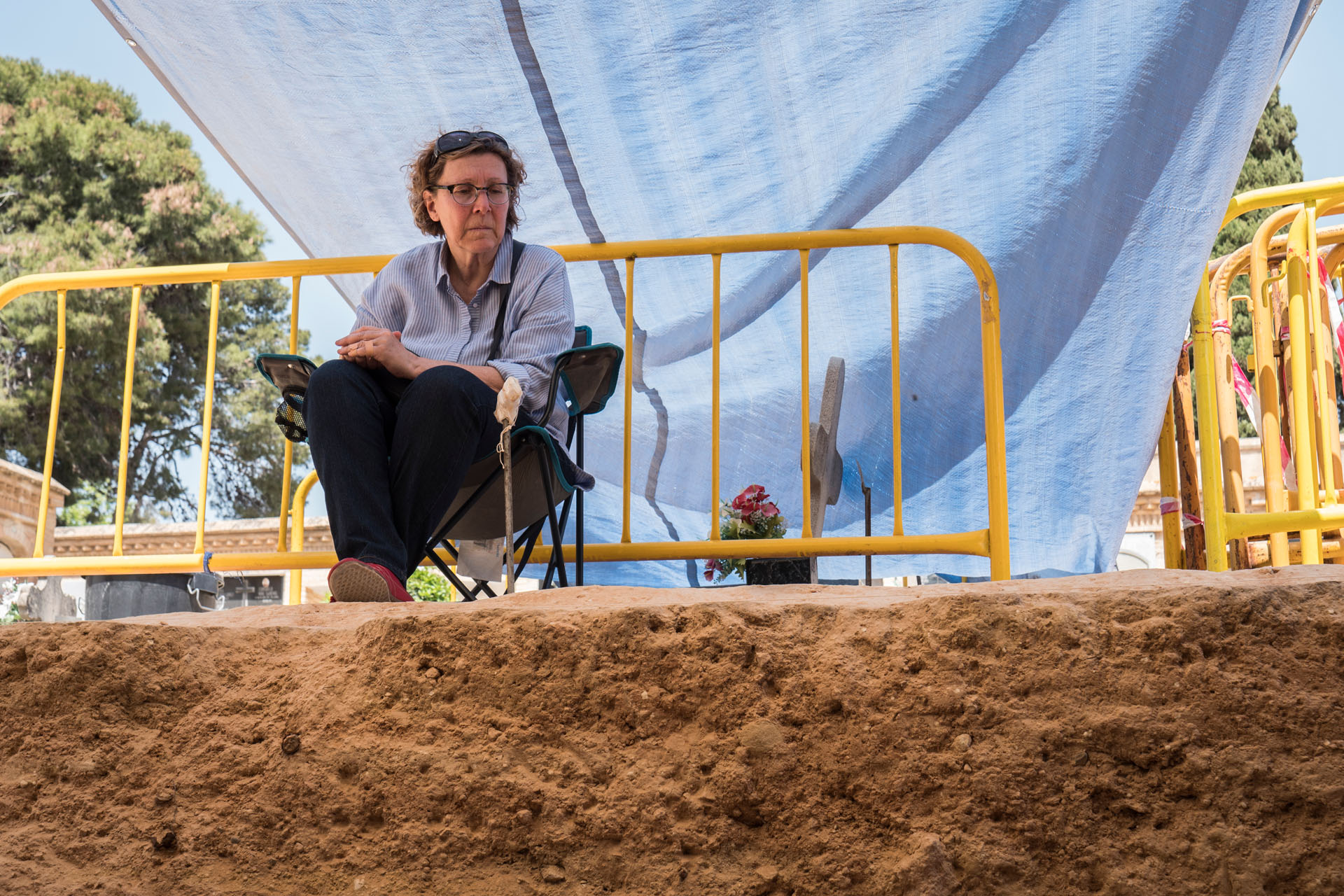
Acte d’entrega de cossos de víctimes a les famílies de la fossa 100.

Cementiri municipal d’Alzira

Cementiri municipal d’Ontinyent

Memorial de paterna

Cementiri municipal de Paterna

Albert Costa

Joan Seguí

Raquel Ferrero

Museu Valencià d’Etnologia, L’Etno

Museu de Prehistòria de València, Arqueoantro

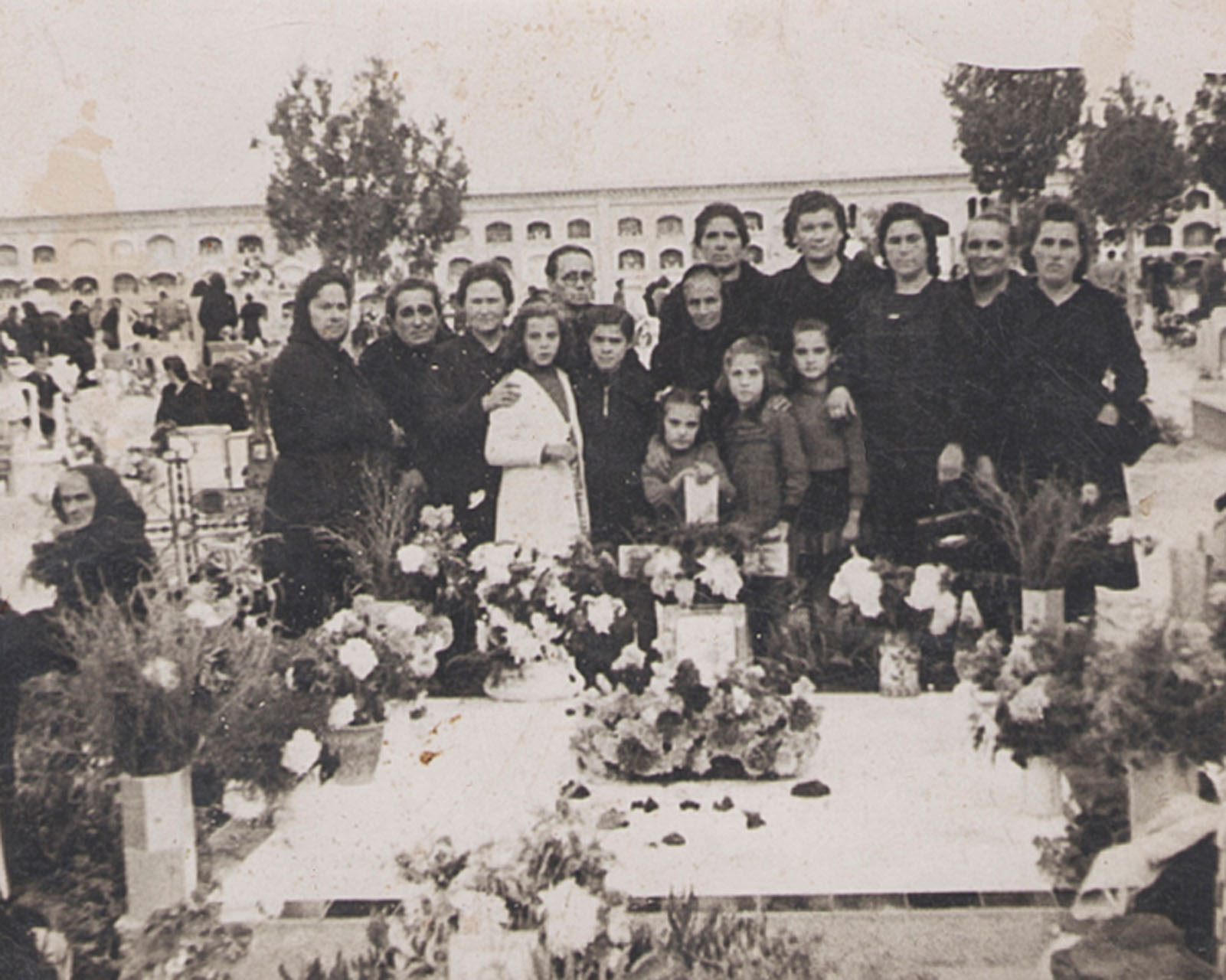
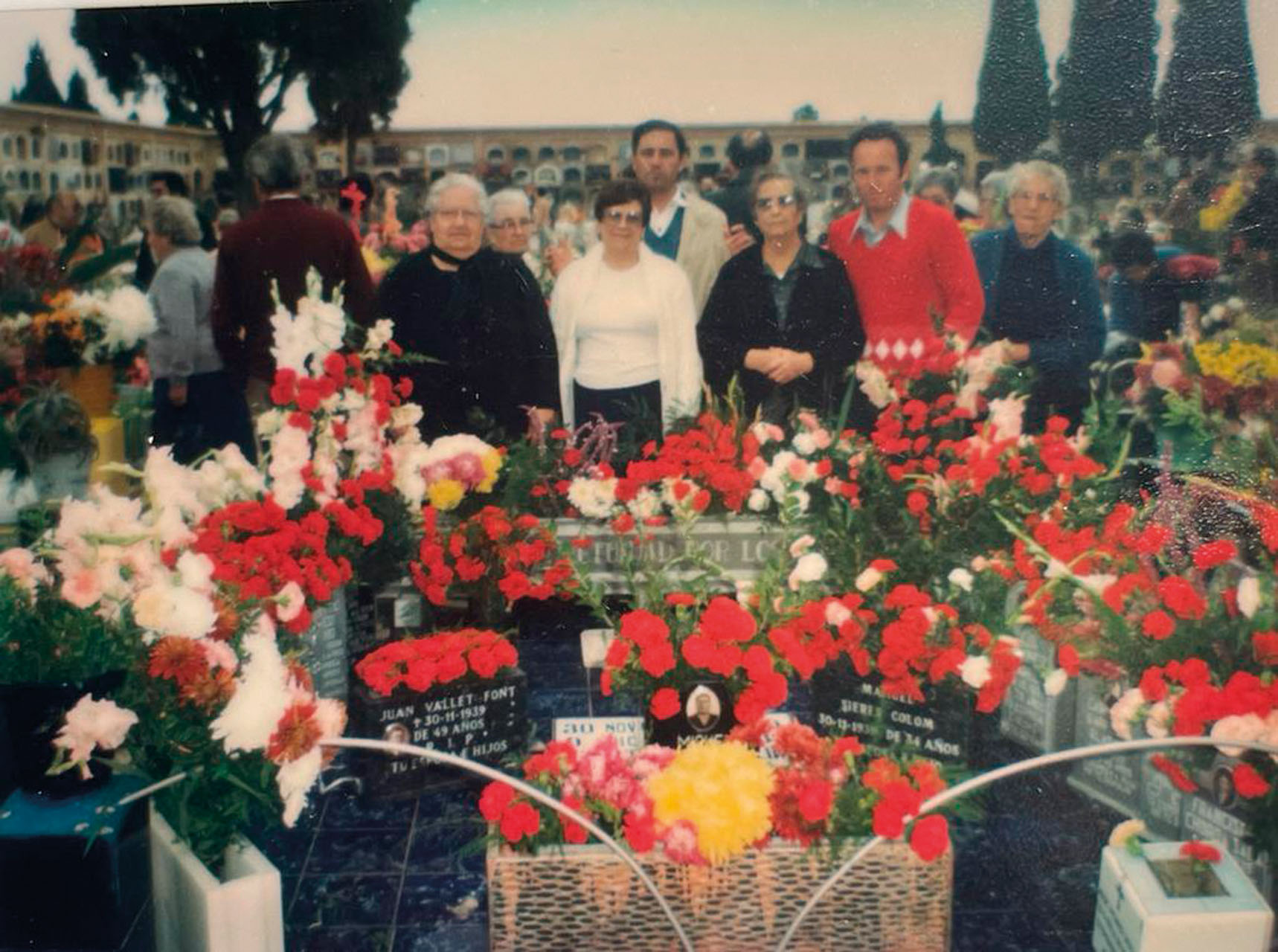
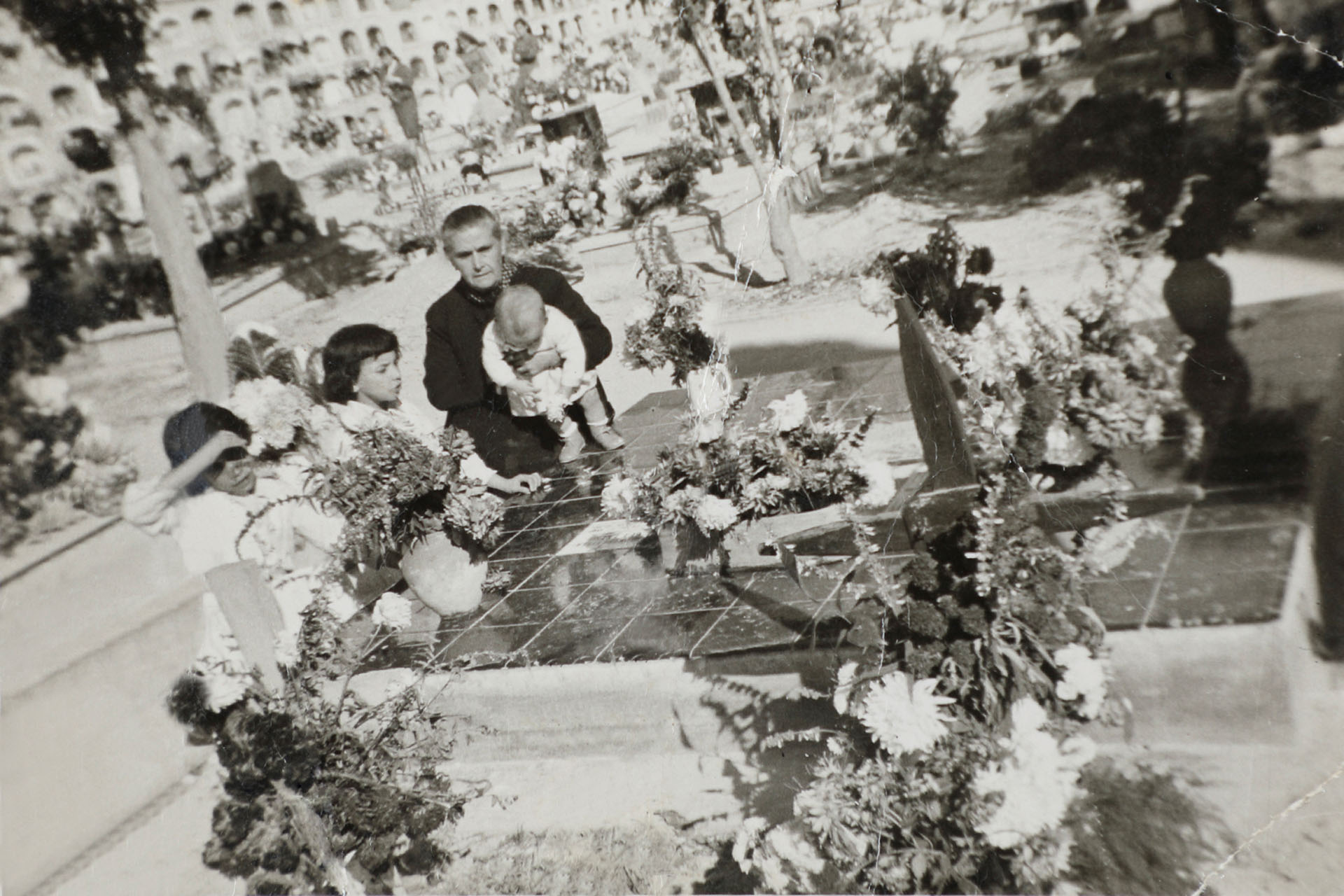
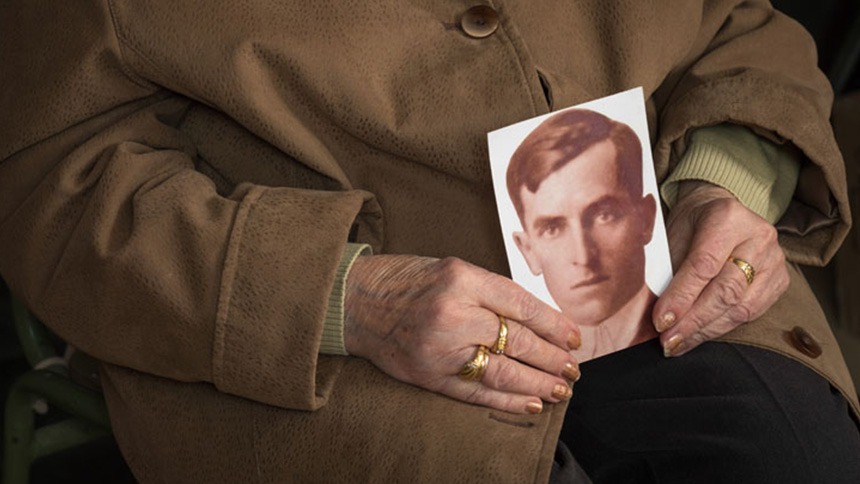
Thank you to all the families of the victims of Francoism from the mass graves in Paterna for sharing their photos.

Registration and intellectual property

Atribución-NoComercial-SinDerivadas 4.0 Internacional: https://creativecommons.org/licenses/by-nc-nd/4.0/

The copyright ownership of some of the works reproduced in this project is unknown; should any holders come forward, the terms of the relevant permissions will be negotiated.

PLAY
Context

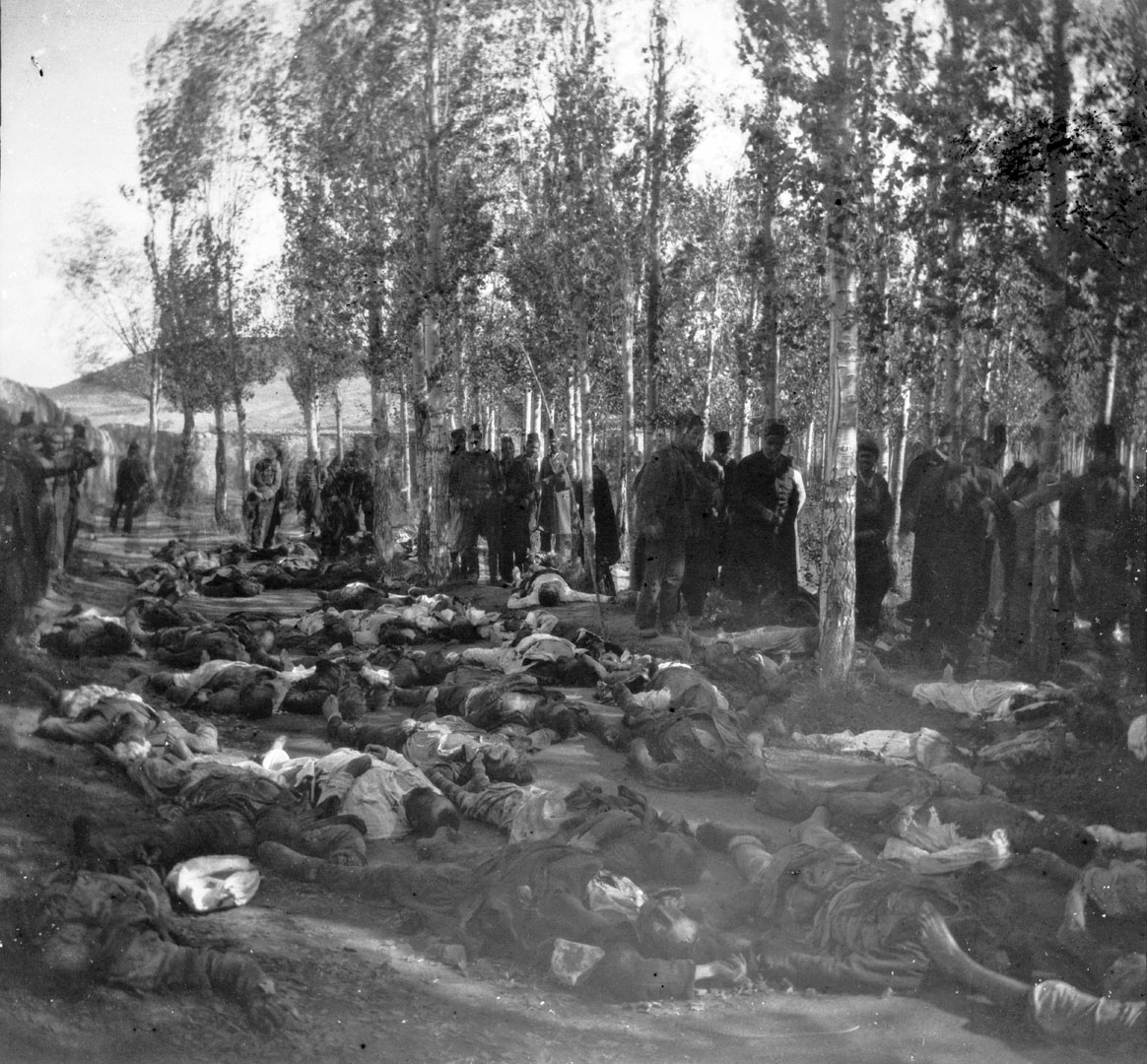
The disaster of war has haunted the history of humanity. Places where violence is perpetrated are macabrely spread across every corner of the world.

Violence, suffering, frustration, and silence. But alongside them, in parallel, resistance, memory, dignity, and outrage.

There is no society that has not, at some point in its past or present, legitimised power through violence and repression.

Afterwards, the imposed silence is challenged through the essential act of remembrance. For the victims and their descendants, for democracy and its defence of fundamental human rights, for justice.

BRUTALITY
Click to view the gallery
Click to watch the full video
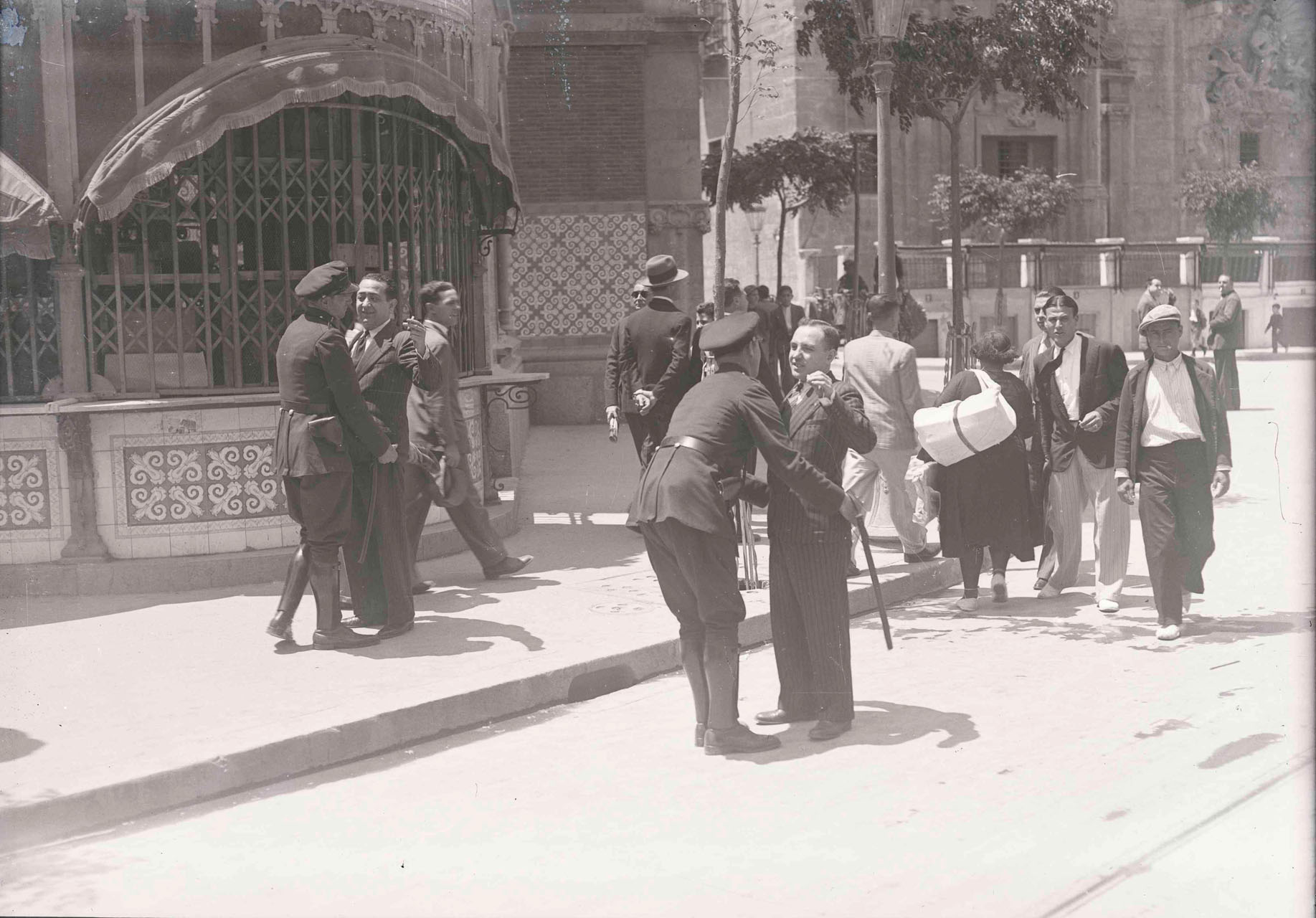
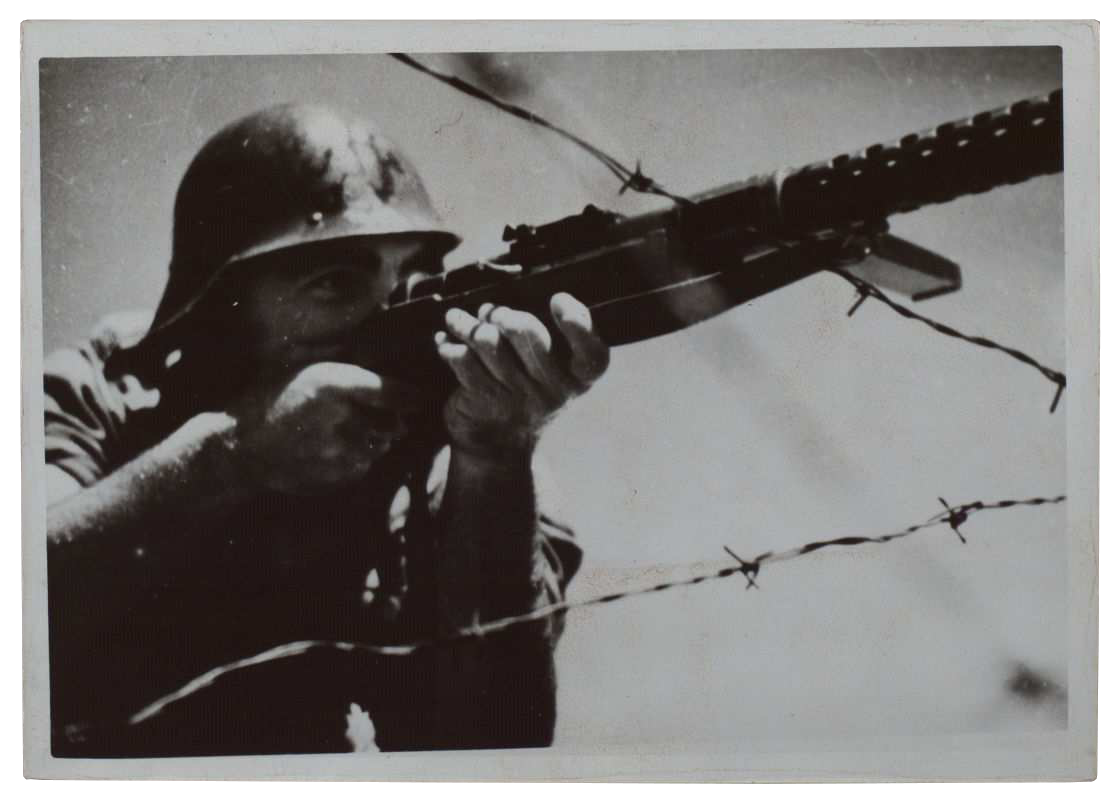
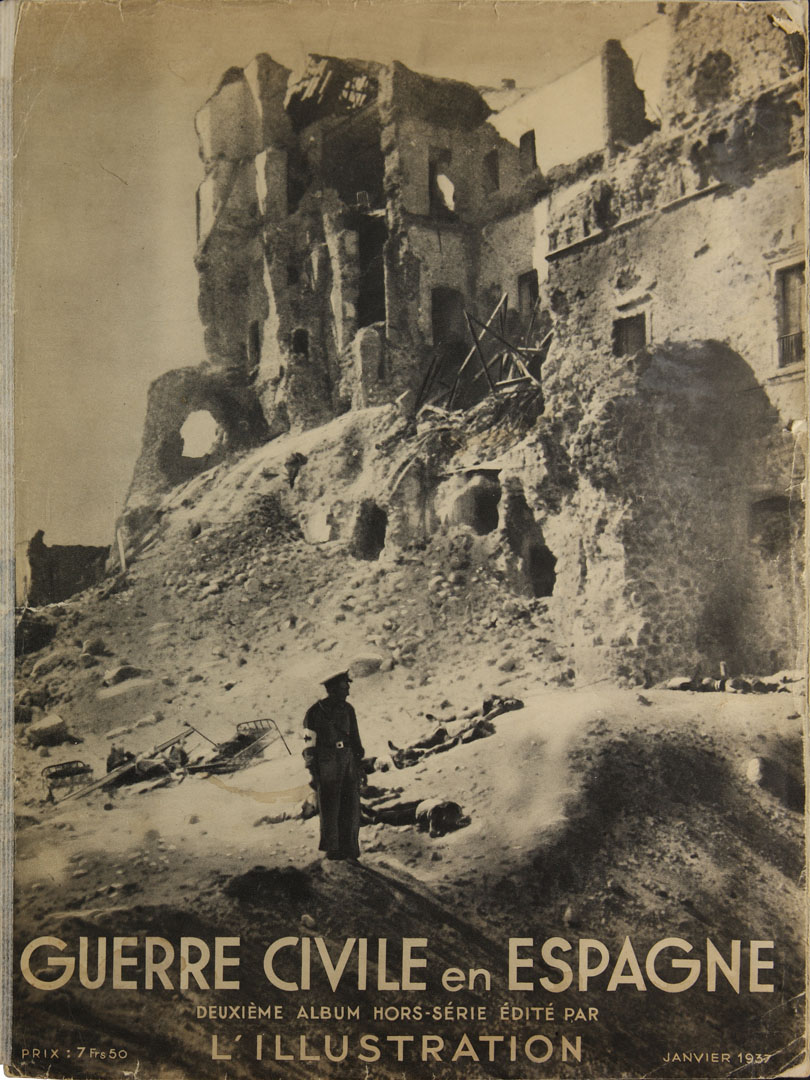
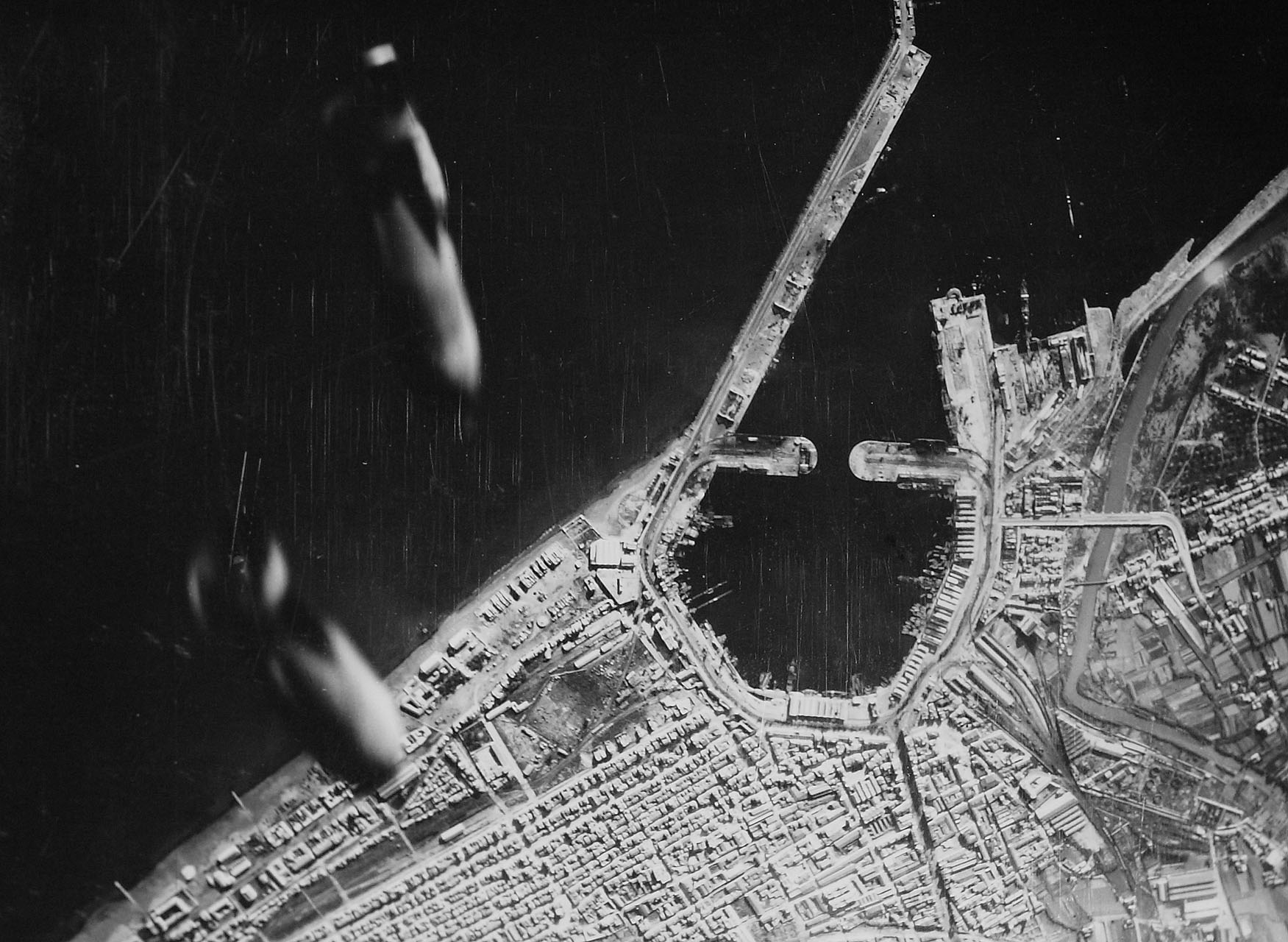
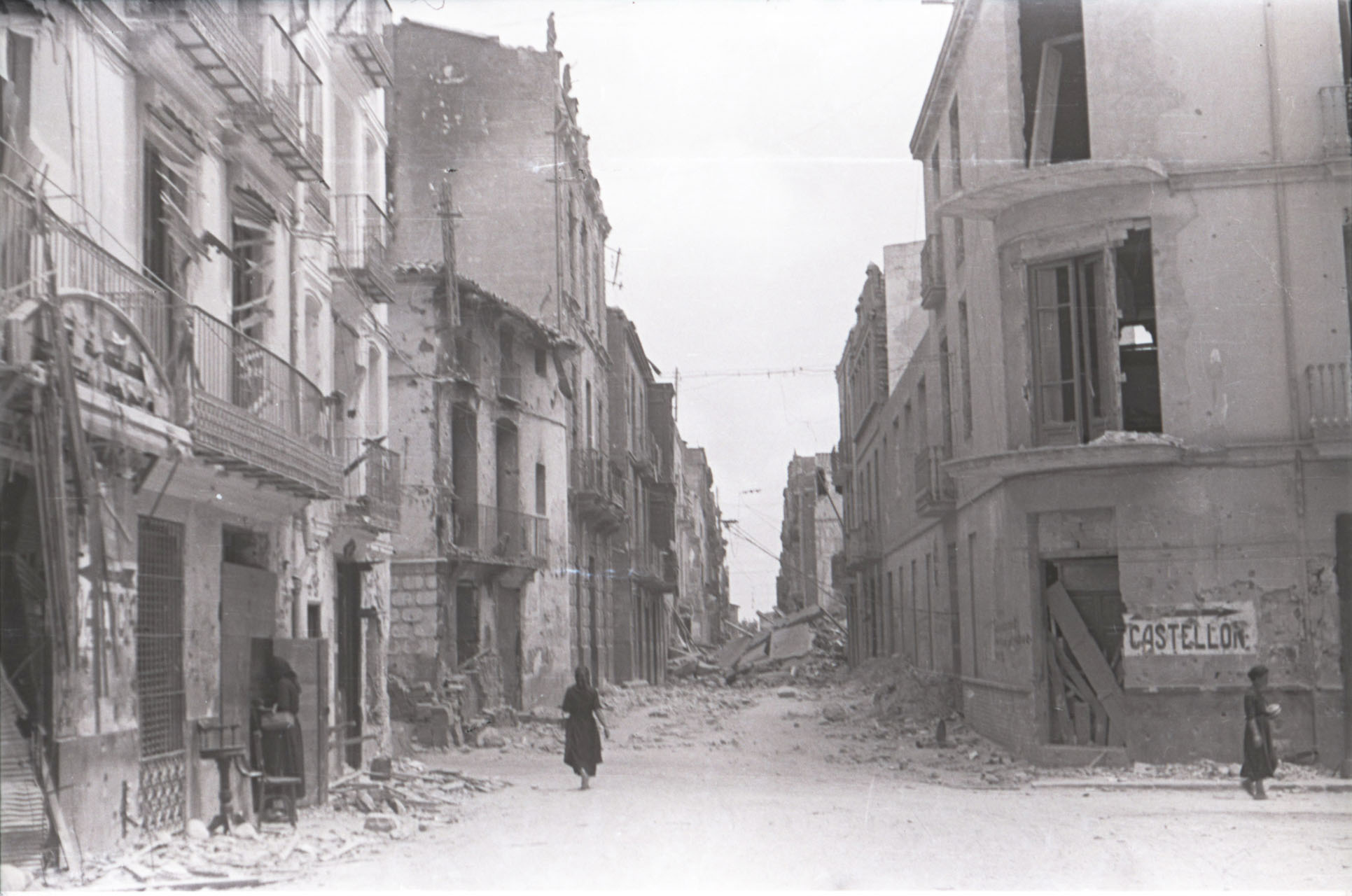
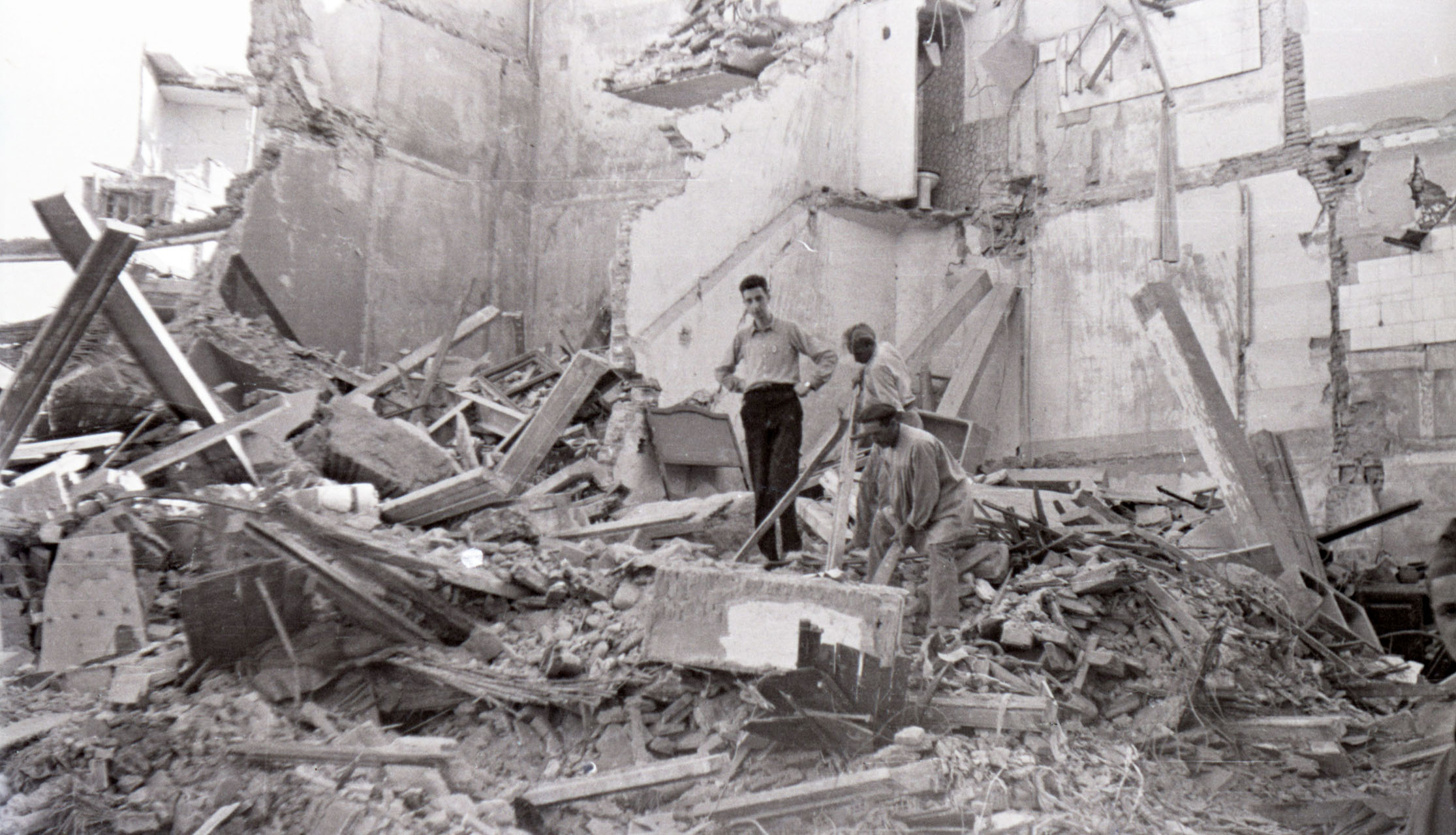
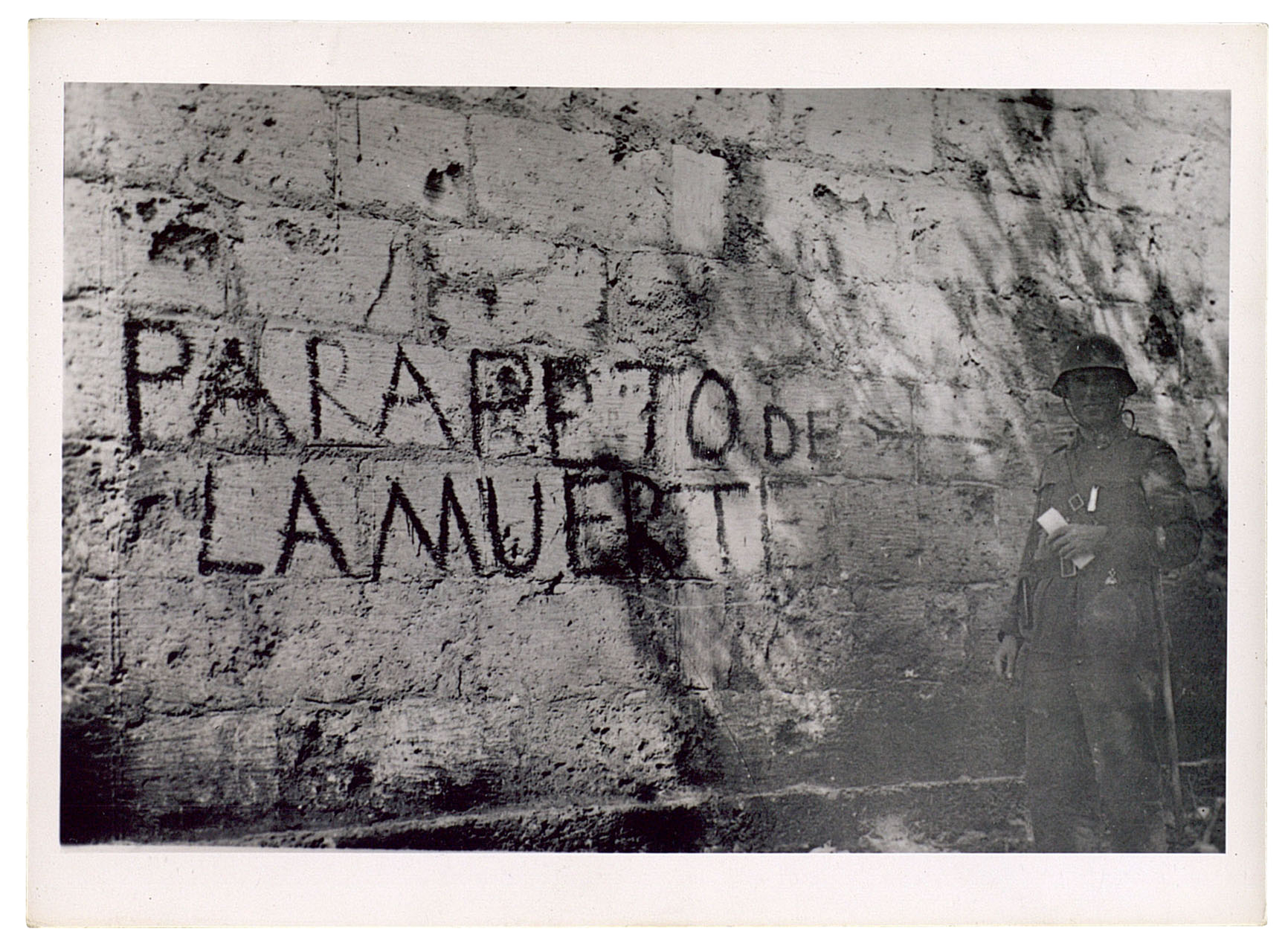
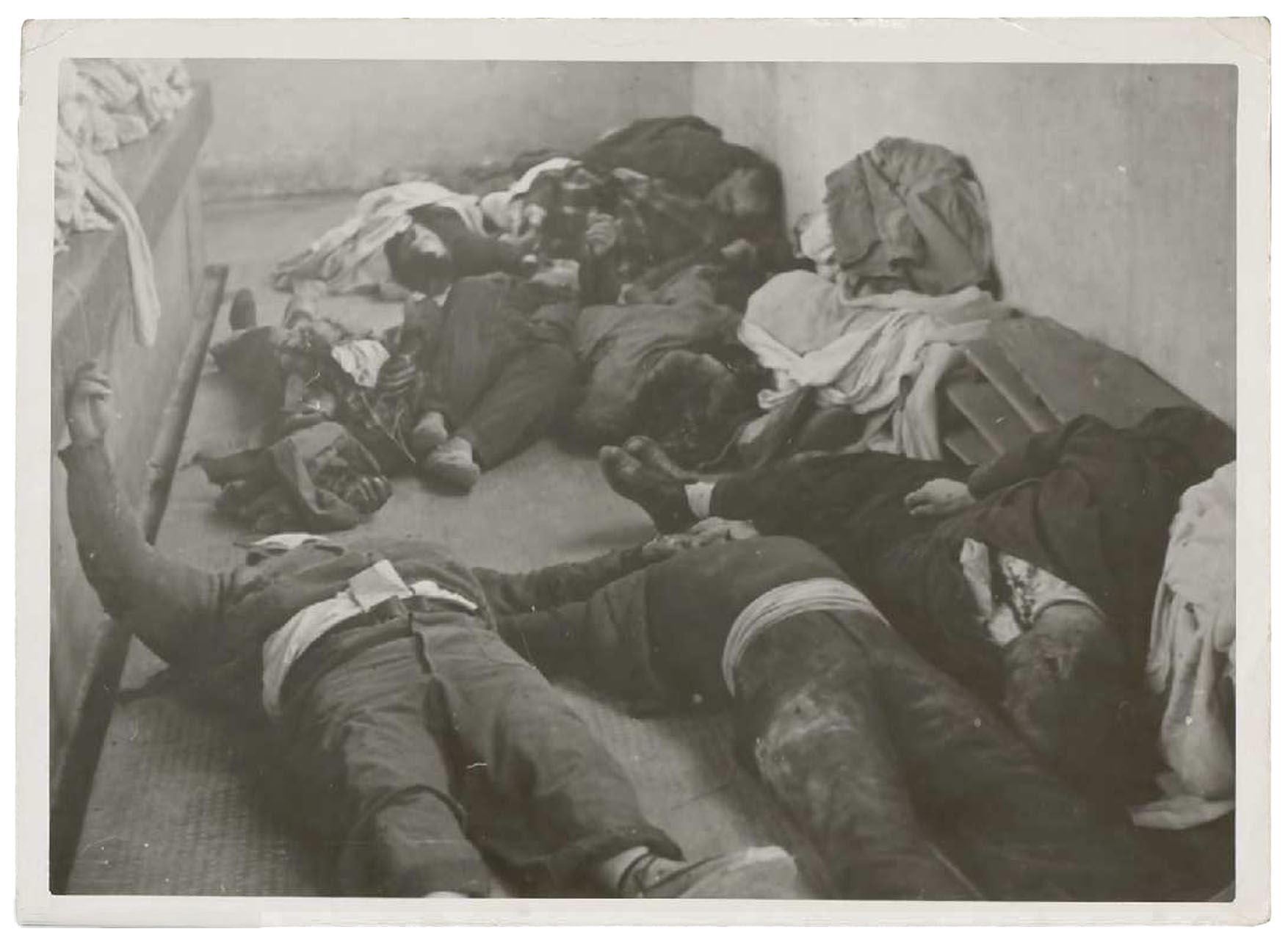
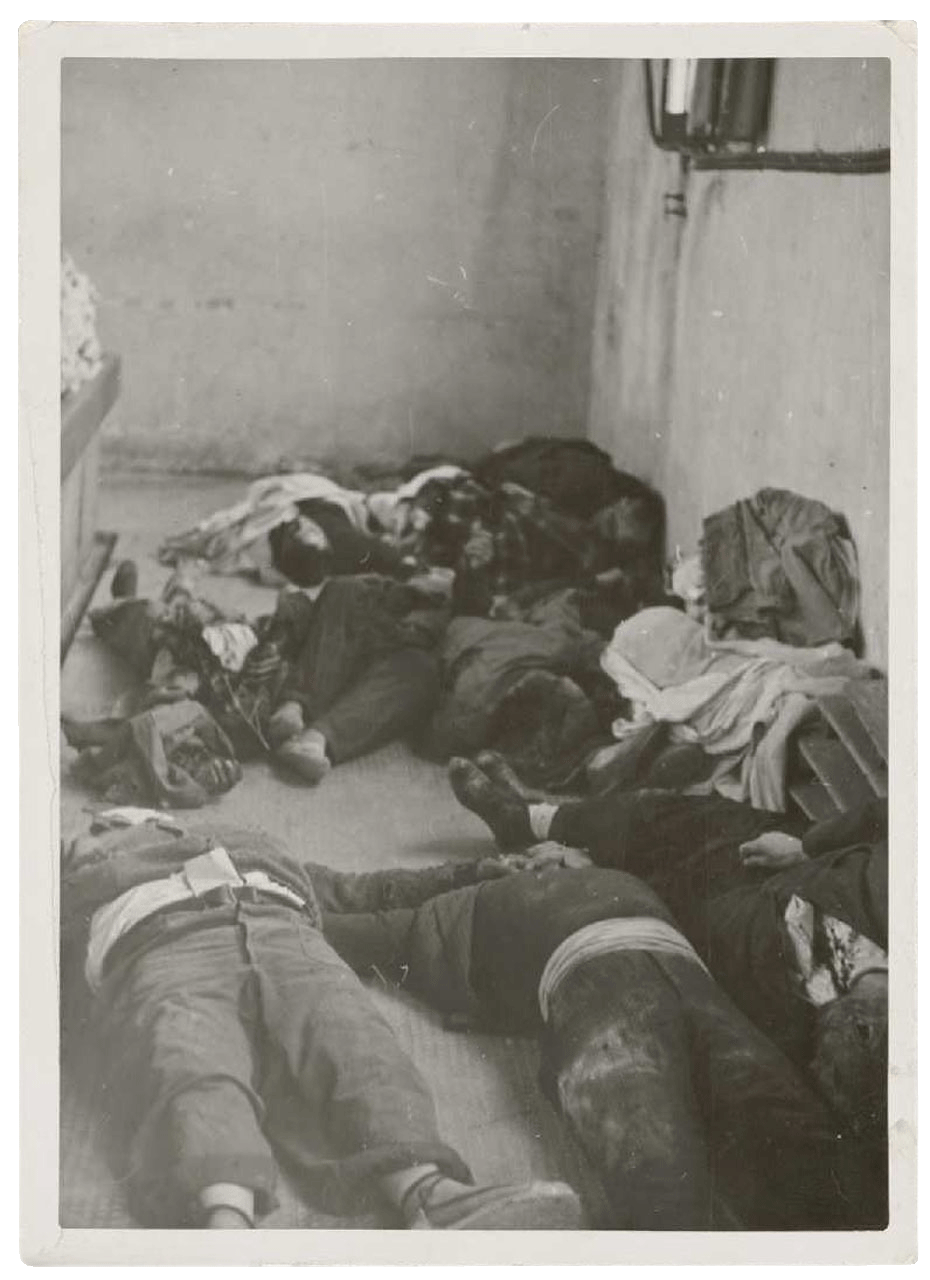
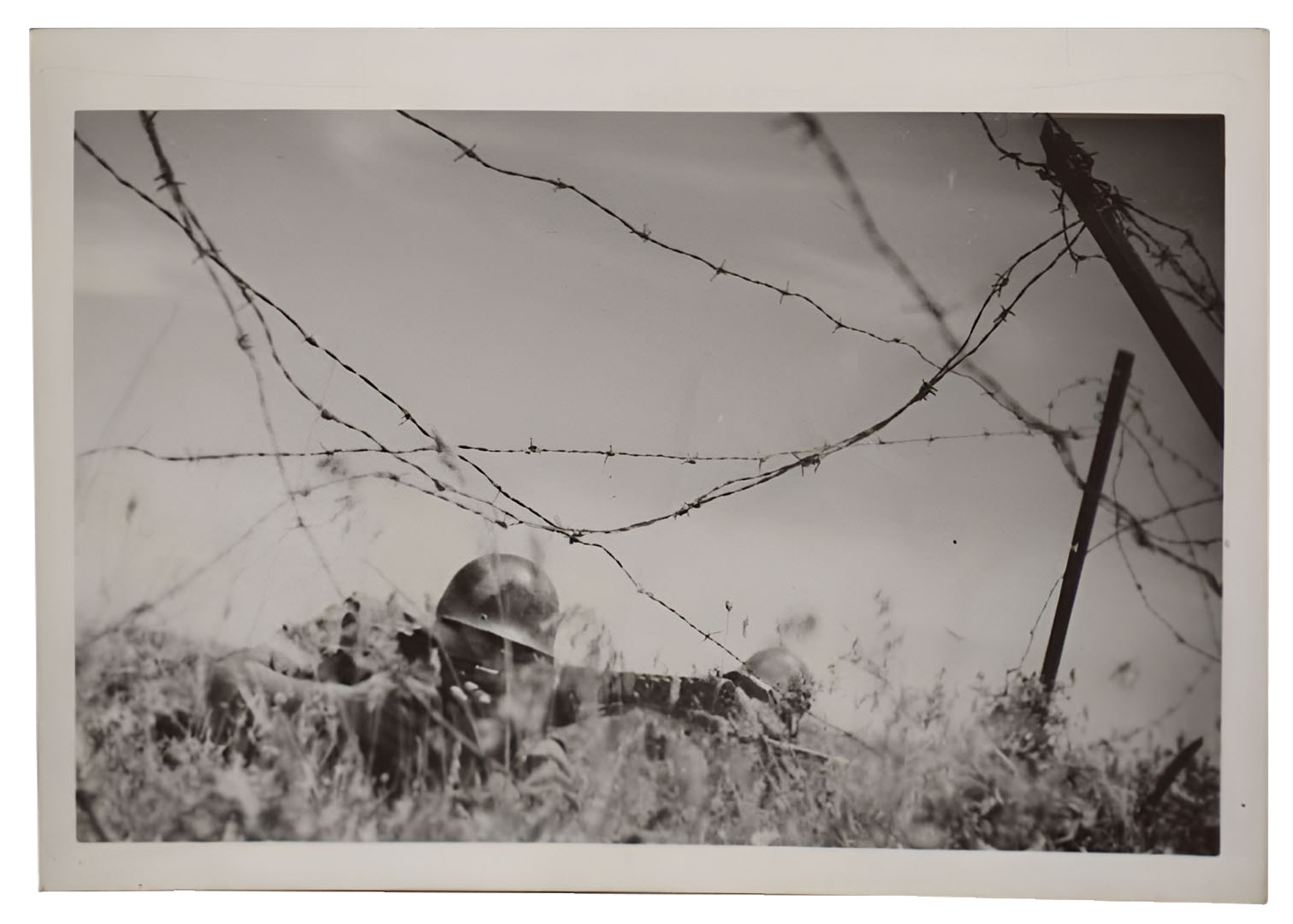
The end of the war does not mean peace—least of all when power remains in the hands of a totalitarian government that makes repression one of its mainstays. During the conflict, violence engulfed the country for three years.

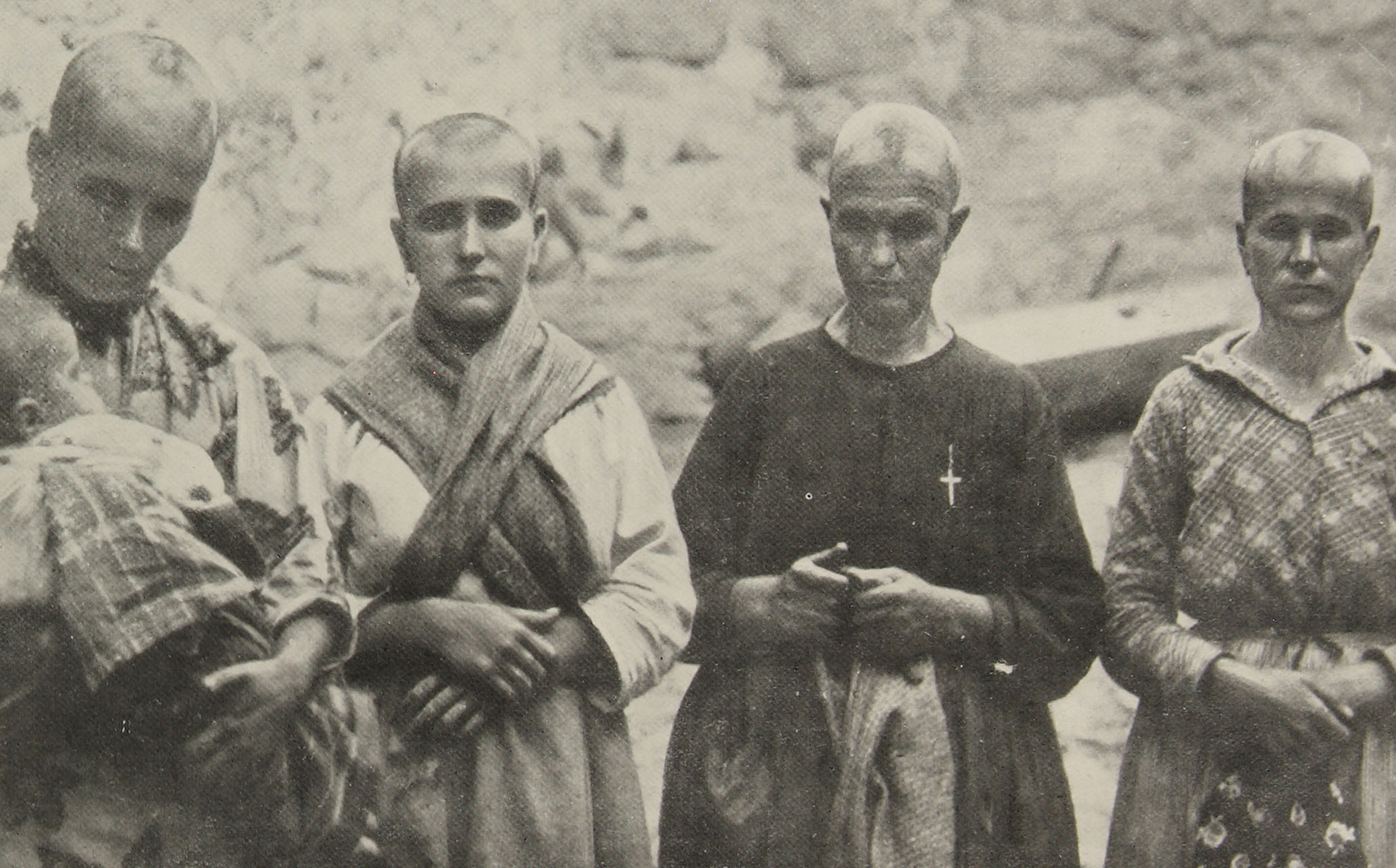
Cuatro mujerescondenadas a muertefotografiadas instantesantes de su ejecuciónen Oropesa, Talaverade la Reina, 1937

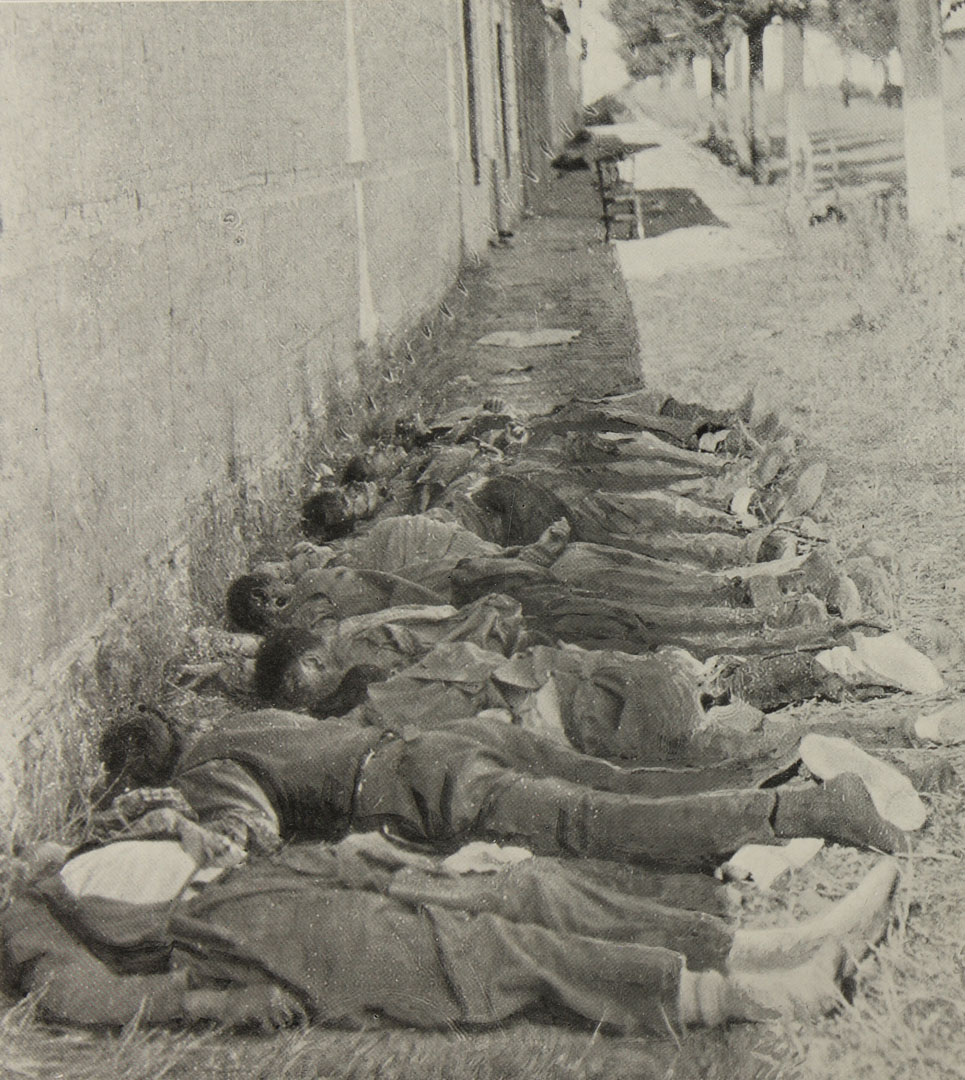
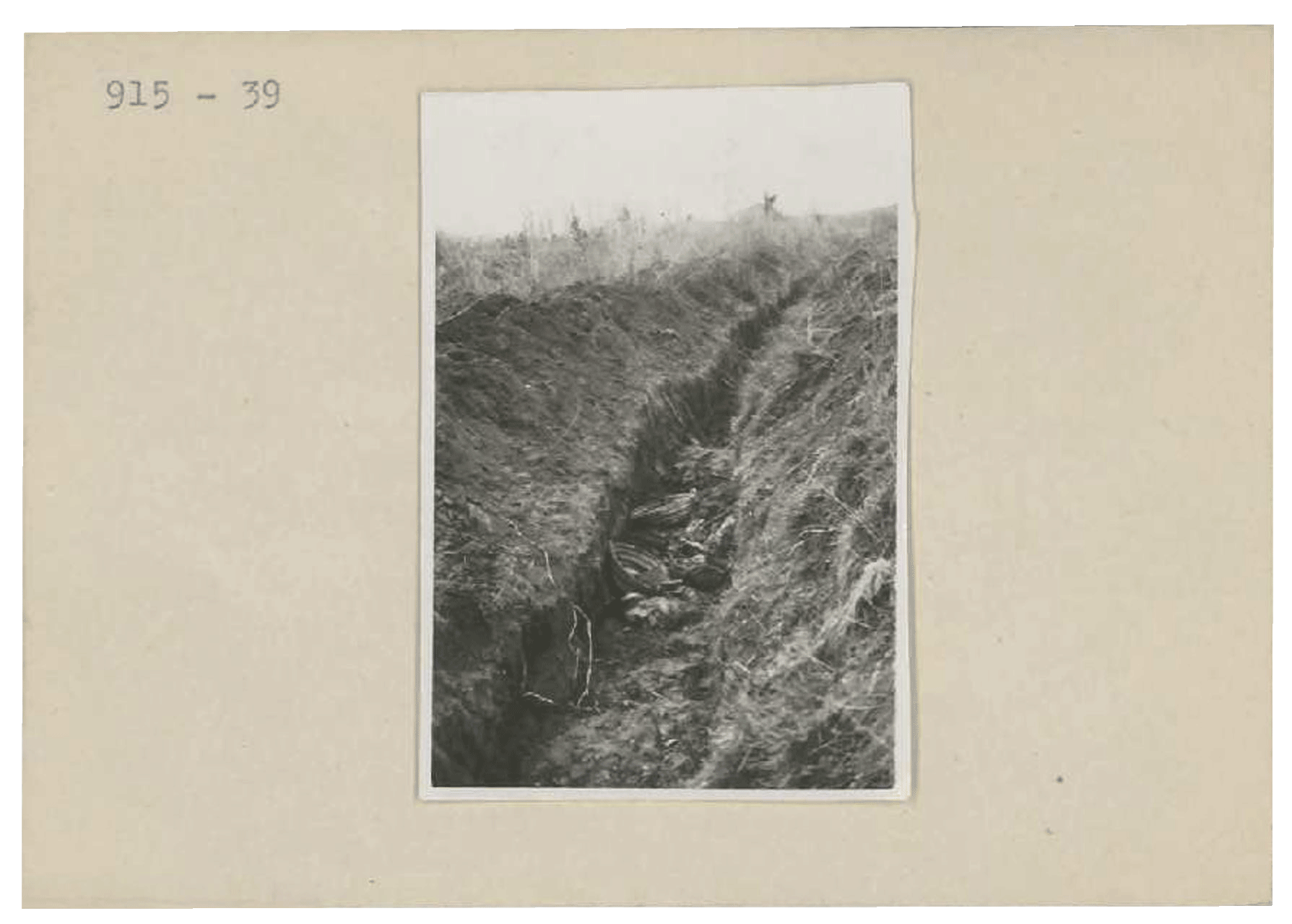
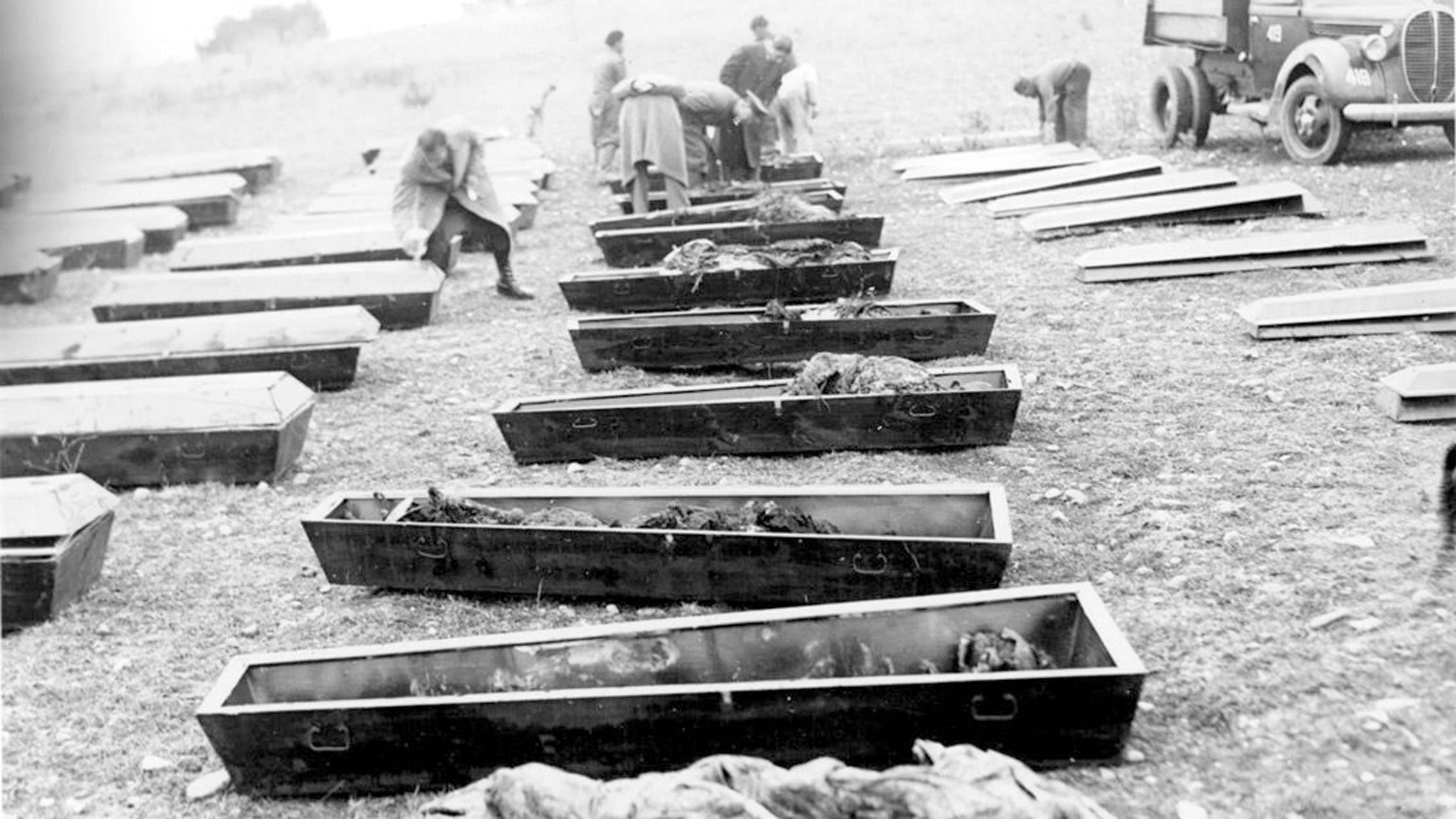
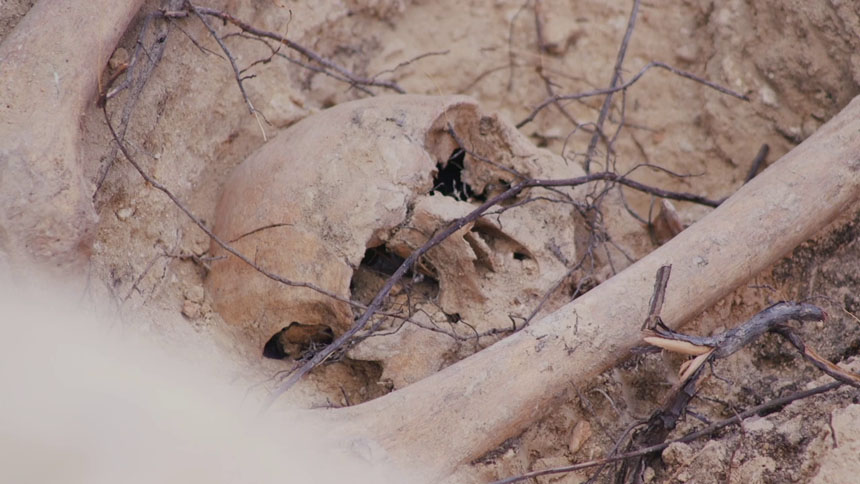
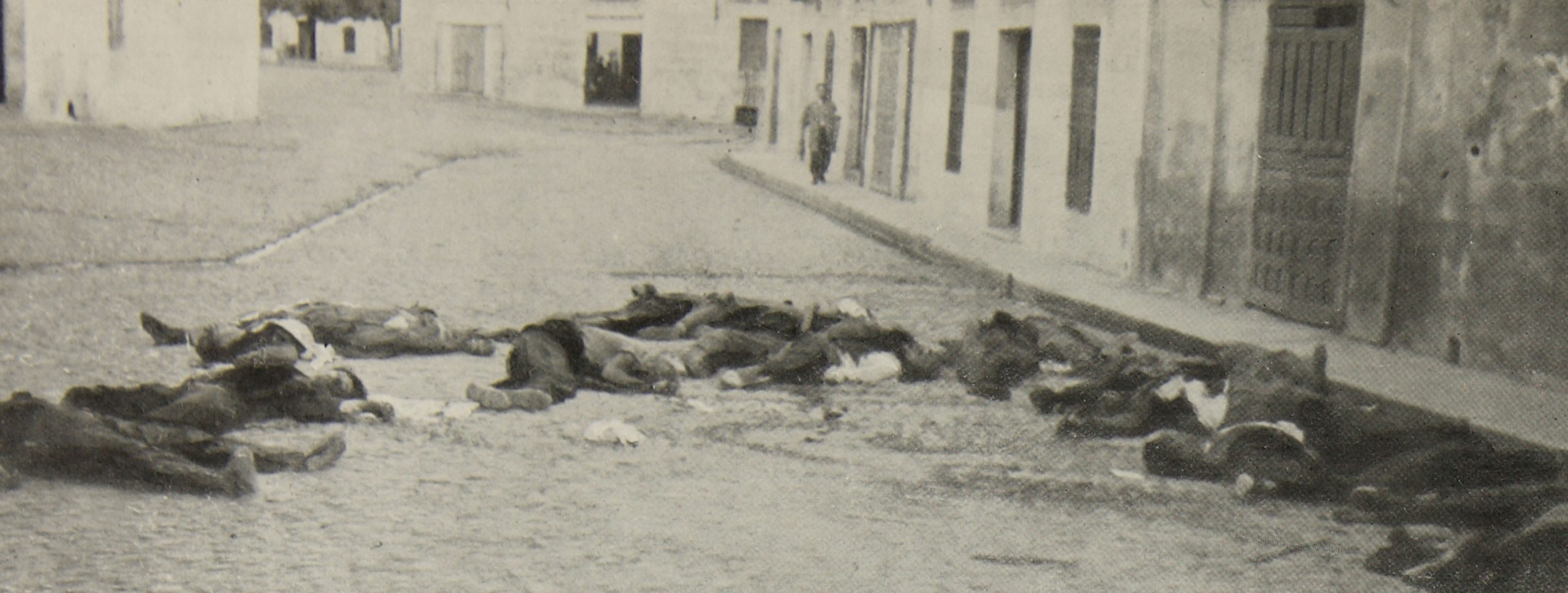
Republican repression was concentrated mainly in the months following the coup. Francoist repression grew and continued throughout the dictatorship. The result was hundreds of thousands of dead, many buried in mass graves. Unmarked, without respect.

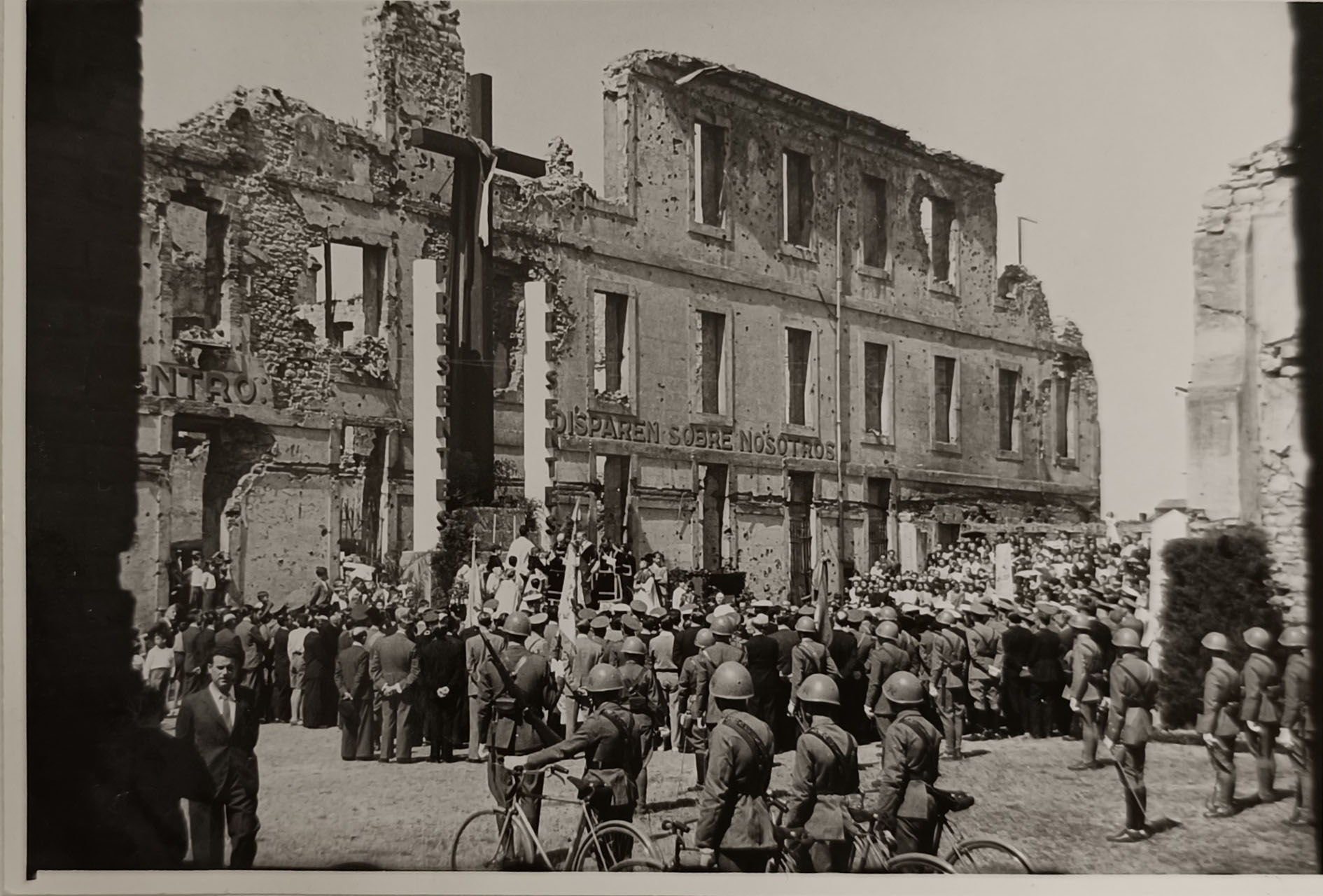
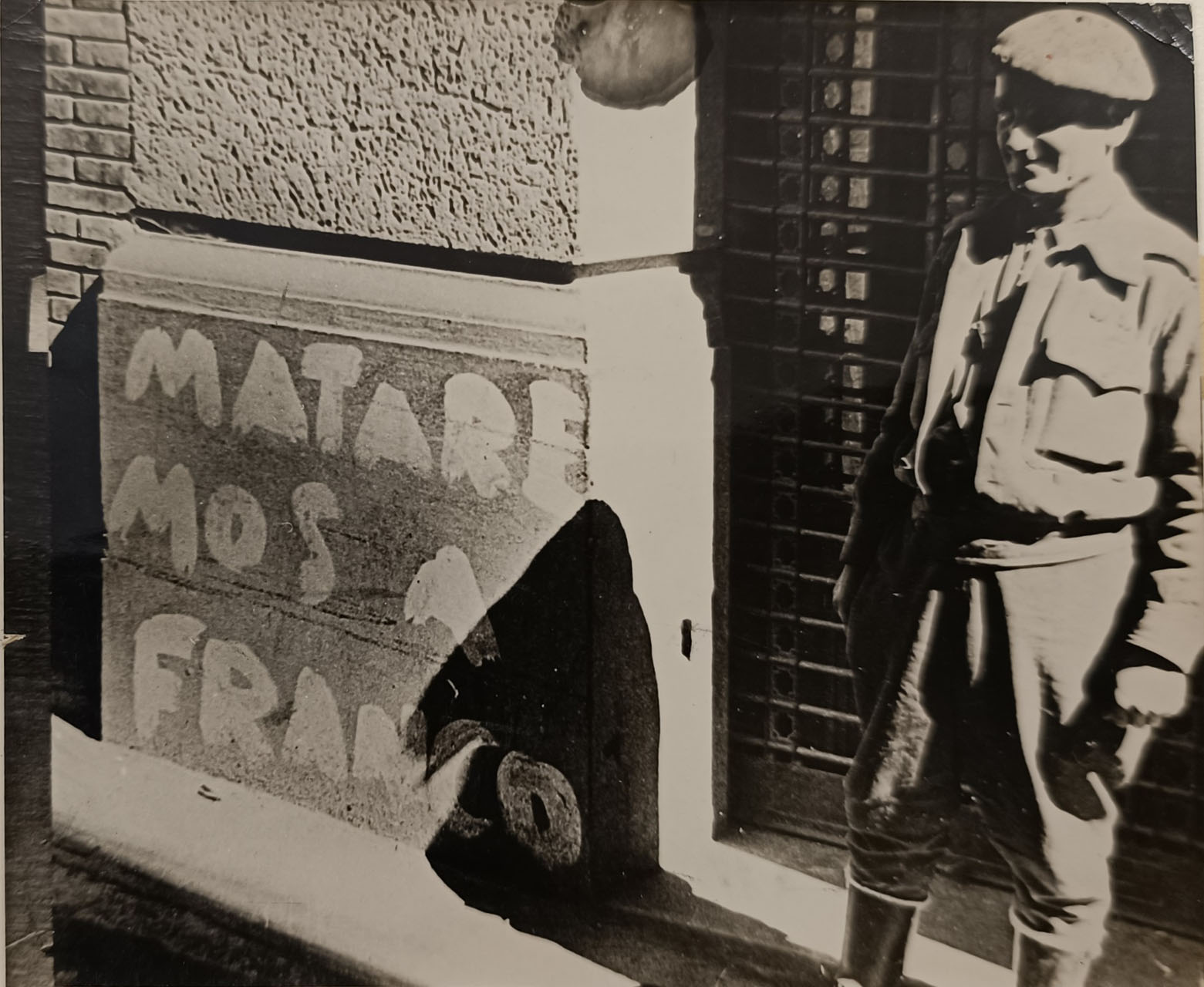
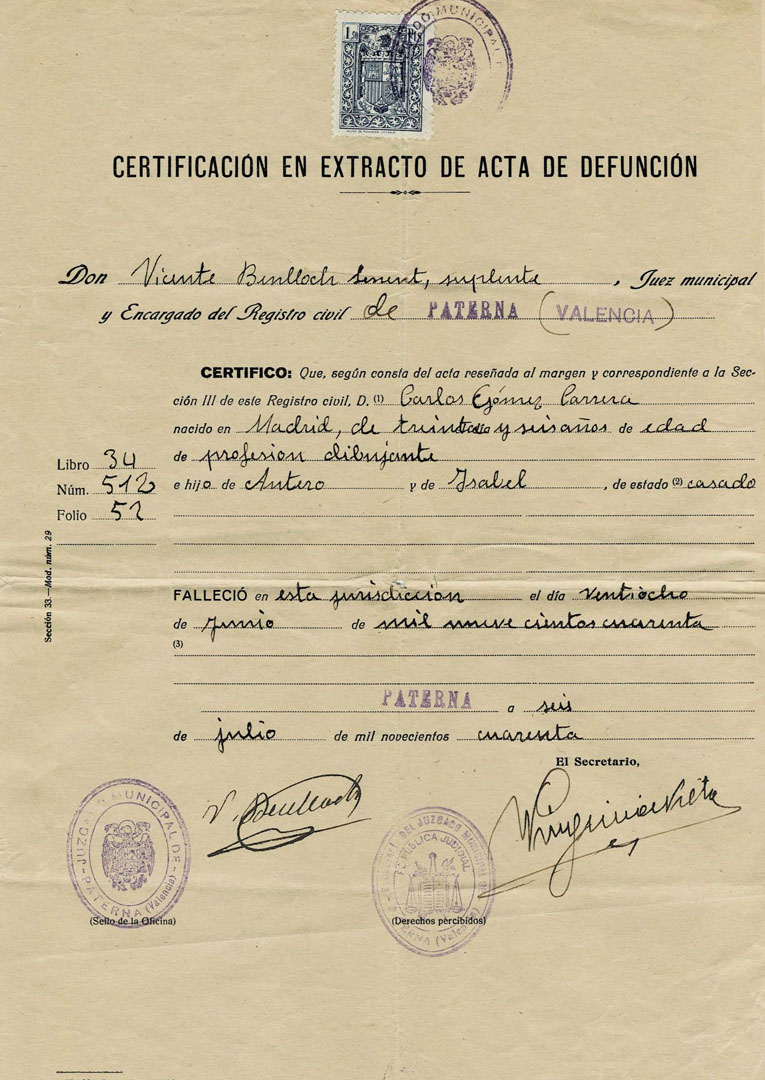
The dictatorship imposed silence. The country was homogenised, while democratic rights, political diversity, and labour protests were suppressed.Violence became an integral part of the regime, and justice disappeared. Those considered dissidents were expelled from their jobs, socially harassed, and stigmatised. Their families shared the punishment and the sentence. Women and their bodies became a battlefield.

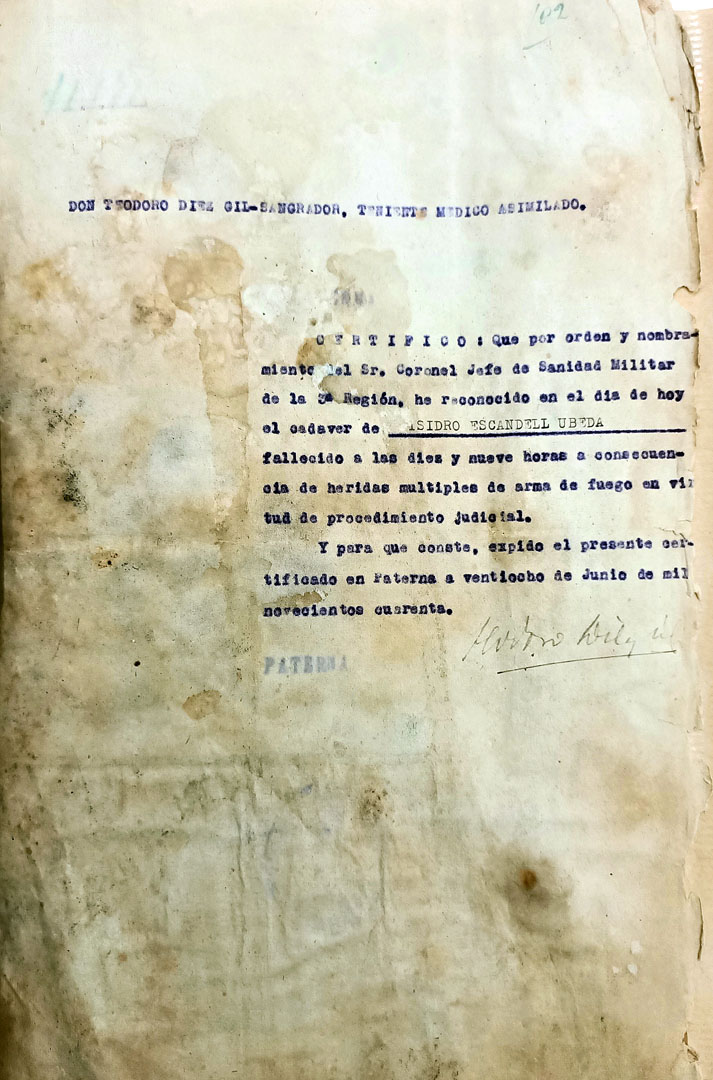
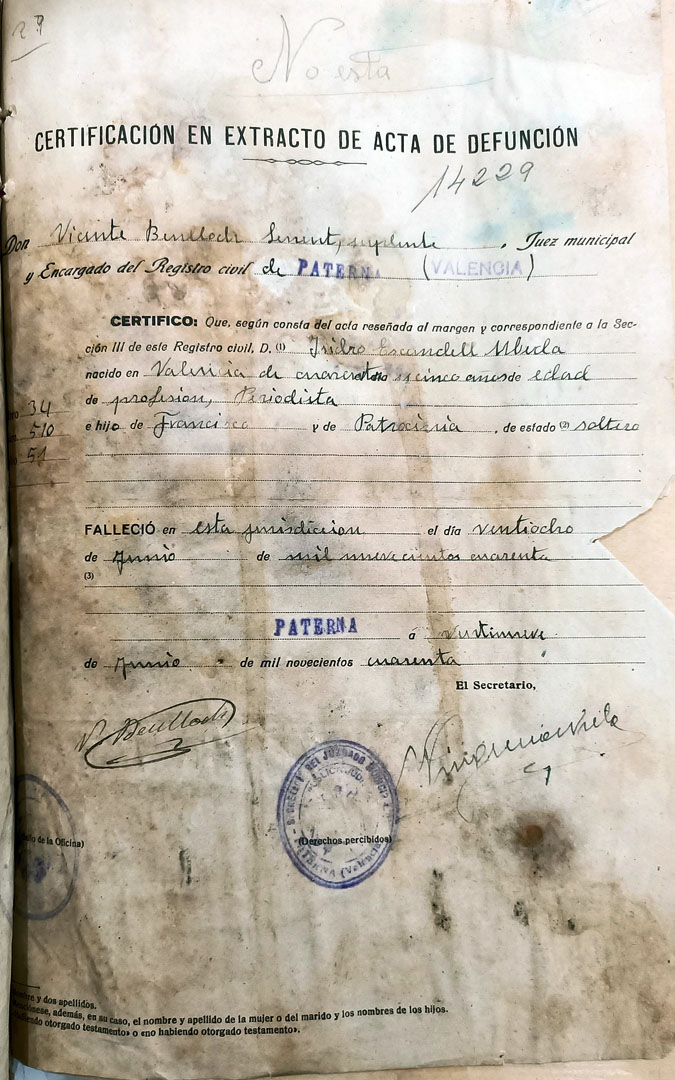
Ultimately, it meant murder. But the punishment did not end with death.

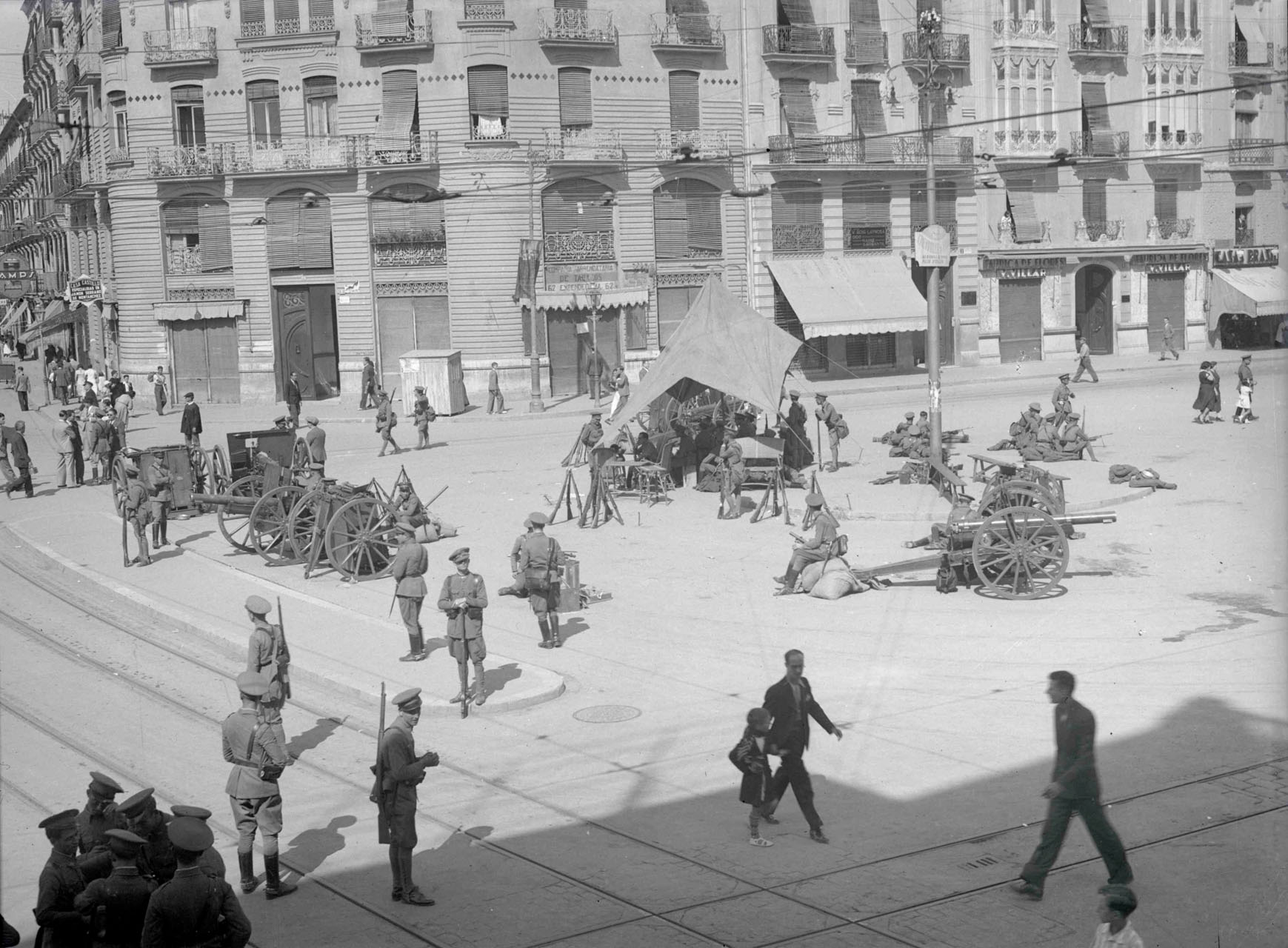
A NATION AT WAR
Click on the photos to open the gallery
Click to watch the full video
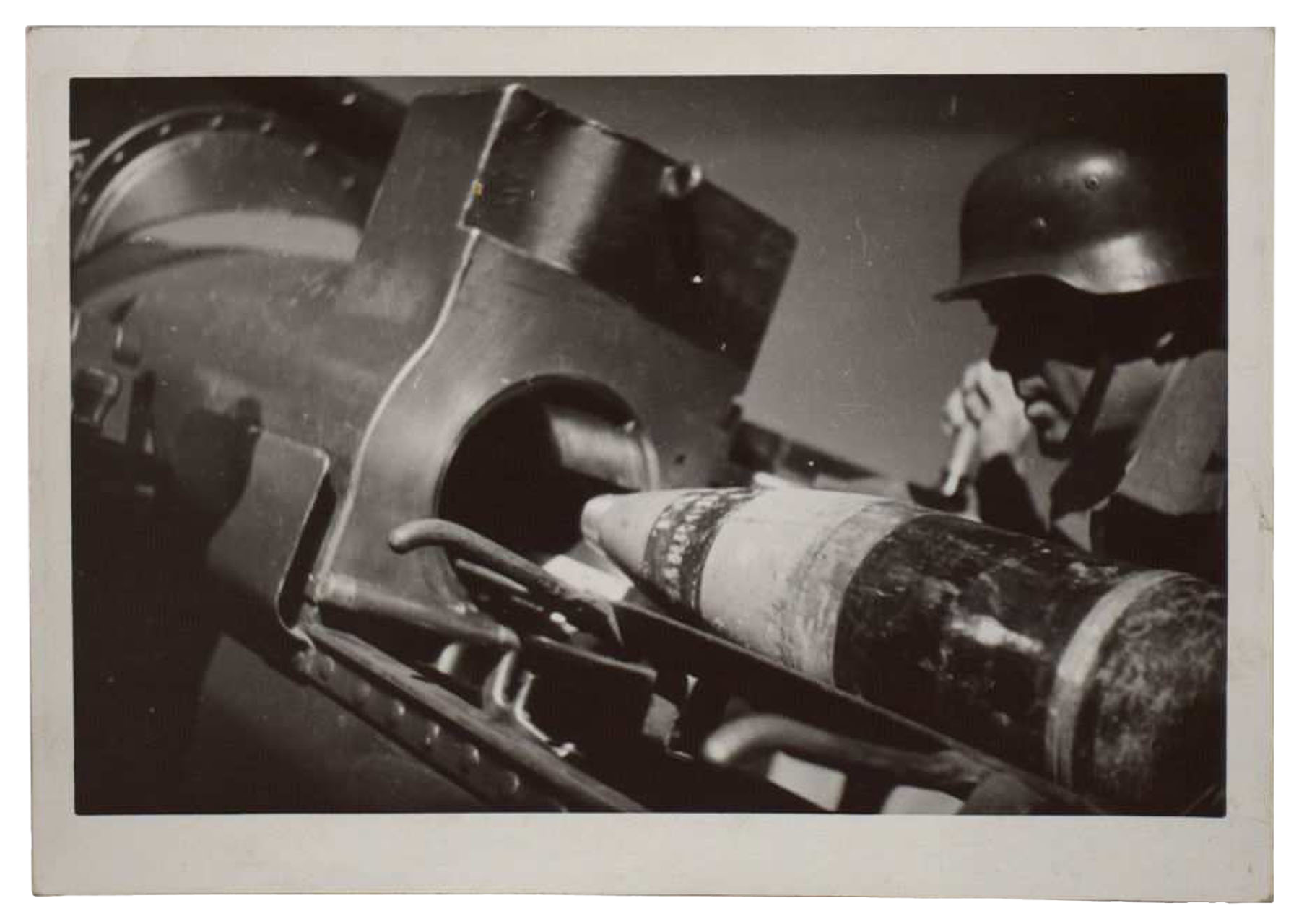
Nº OF GRAVES IN THE VALENCIAN TERRITORY

Castelló 162
València 373
Alacant 77

Totals 612

* Figures updated in winter 2025 after the latest research by Arqueoantro.

FEATURES OF THE REPRESSION
Click on the photos to open the gallery

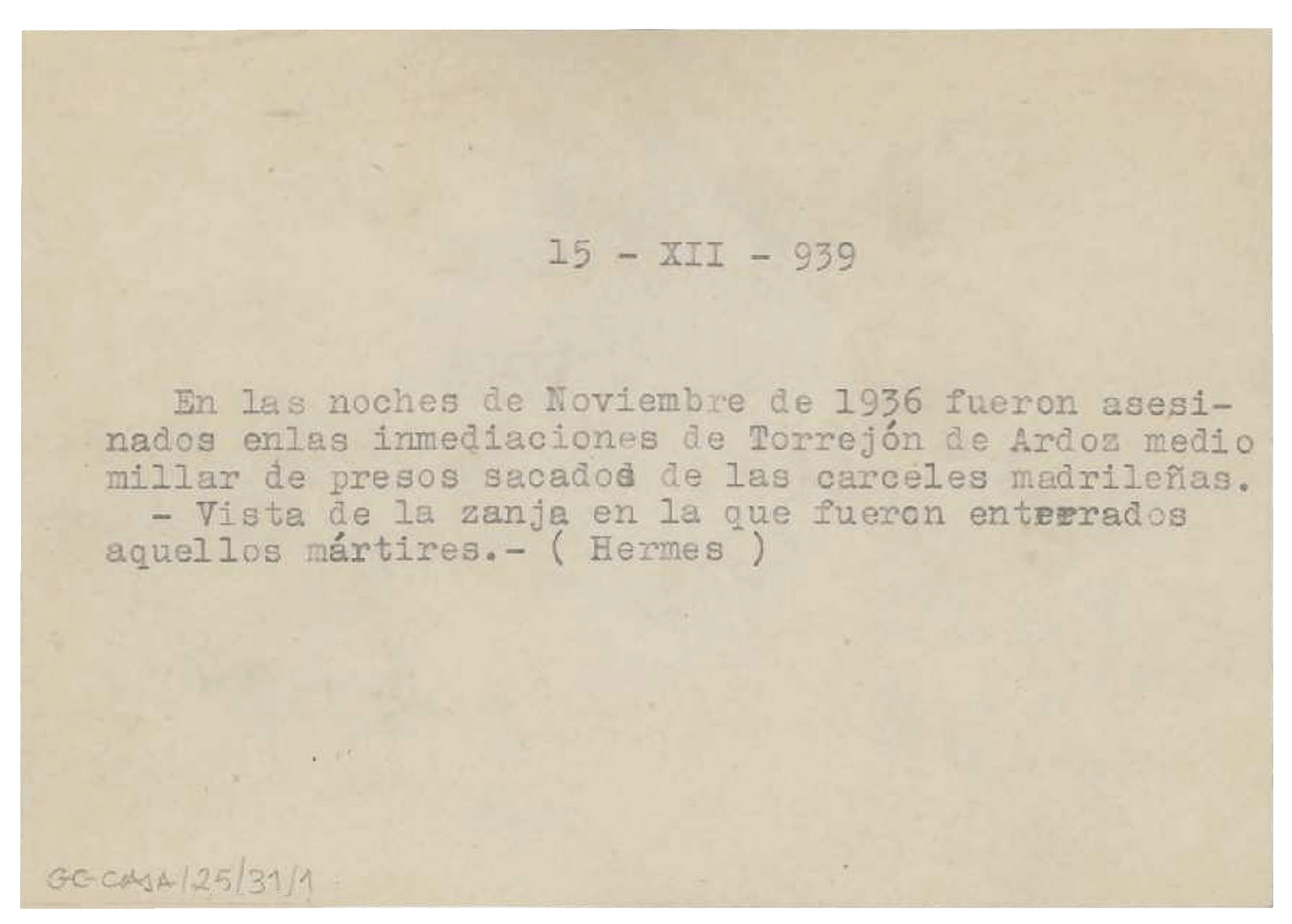
Paterna also witnessed executions by the Republican rearguard.

Similarities?
During the initial months of the war (roughly between mid-1936 and early 1937), the chaos led to 450 executions. Buried in Paterna and the Municipal Cemetery of Valencia. Without trials or the right to a defence

Differences?
Executions were not continuous, and the Republican institutions, unlike their Francoist counterparts, gradually restricted summary proceedings until they were abolished.

After Franco’s victory and the imposition of the dictatorship, victims of the Republican rearguard were exhumed, identified, and buried with public honours.

Click to watch the full video
SUMMARY TRIALS

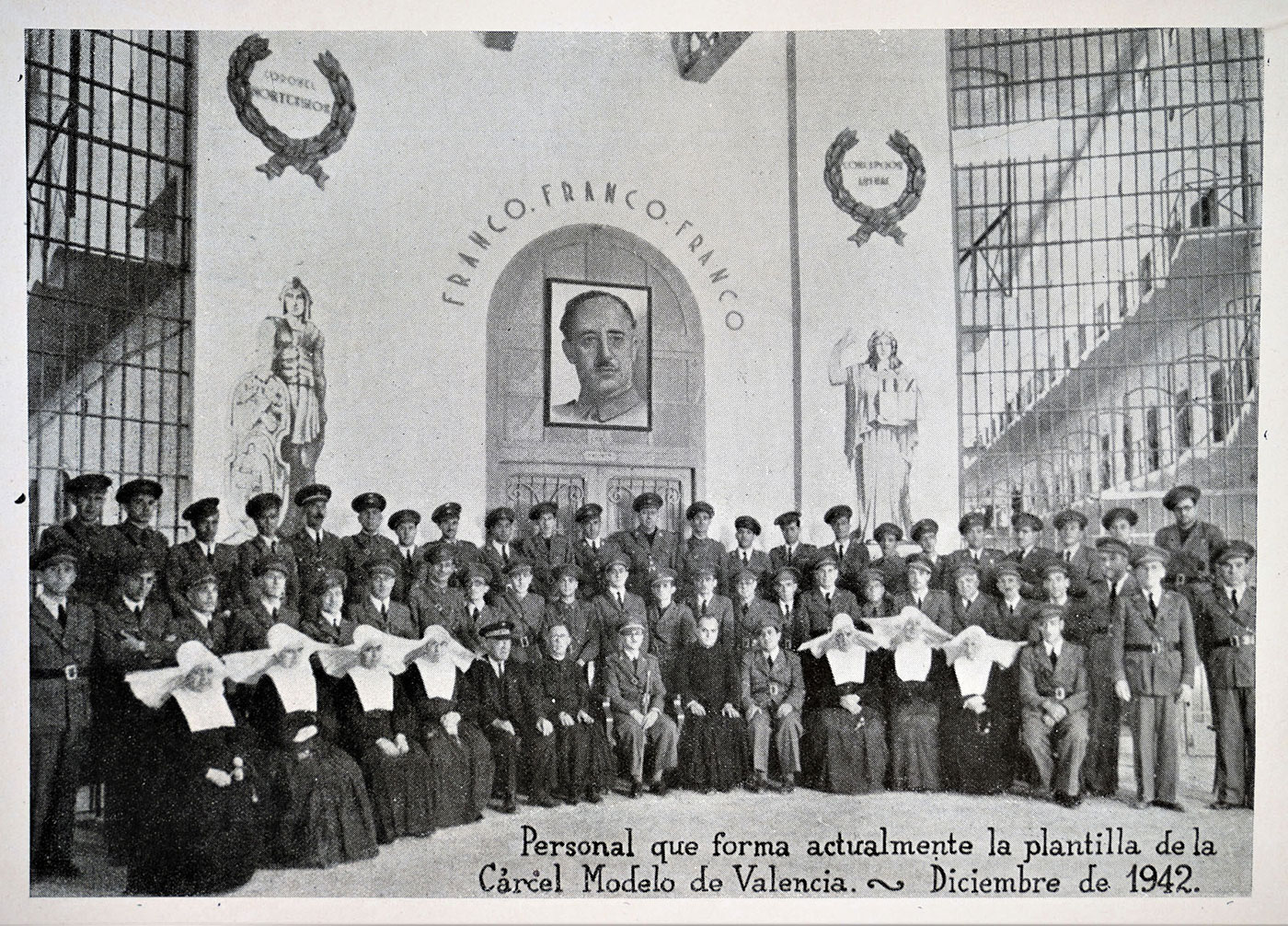
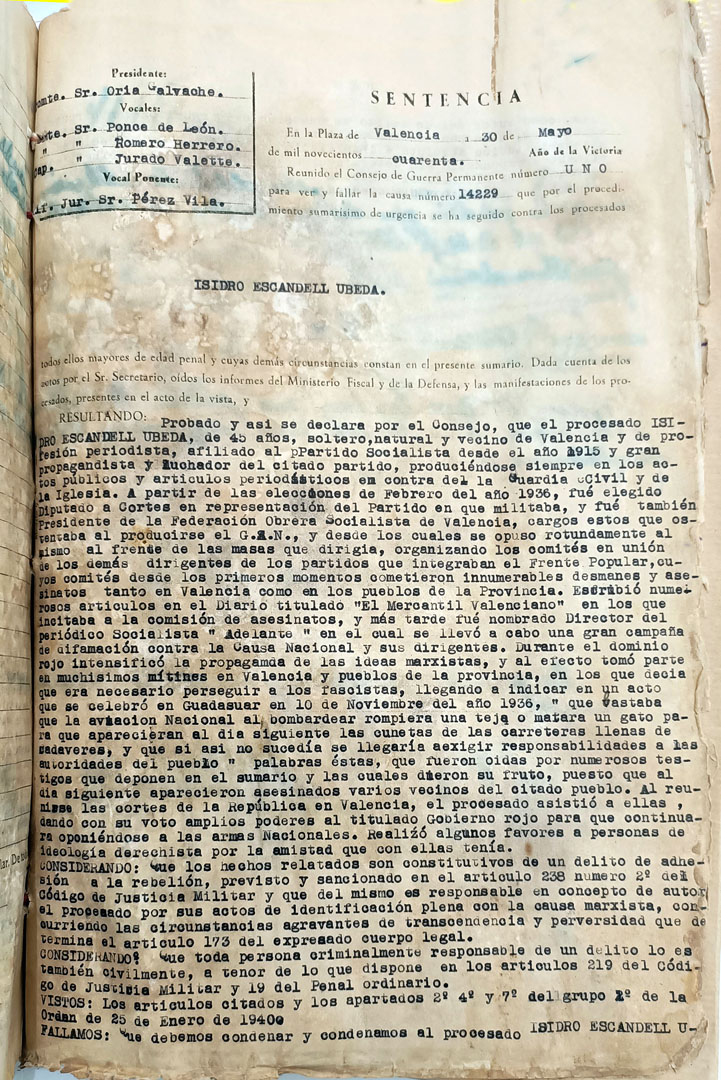
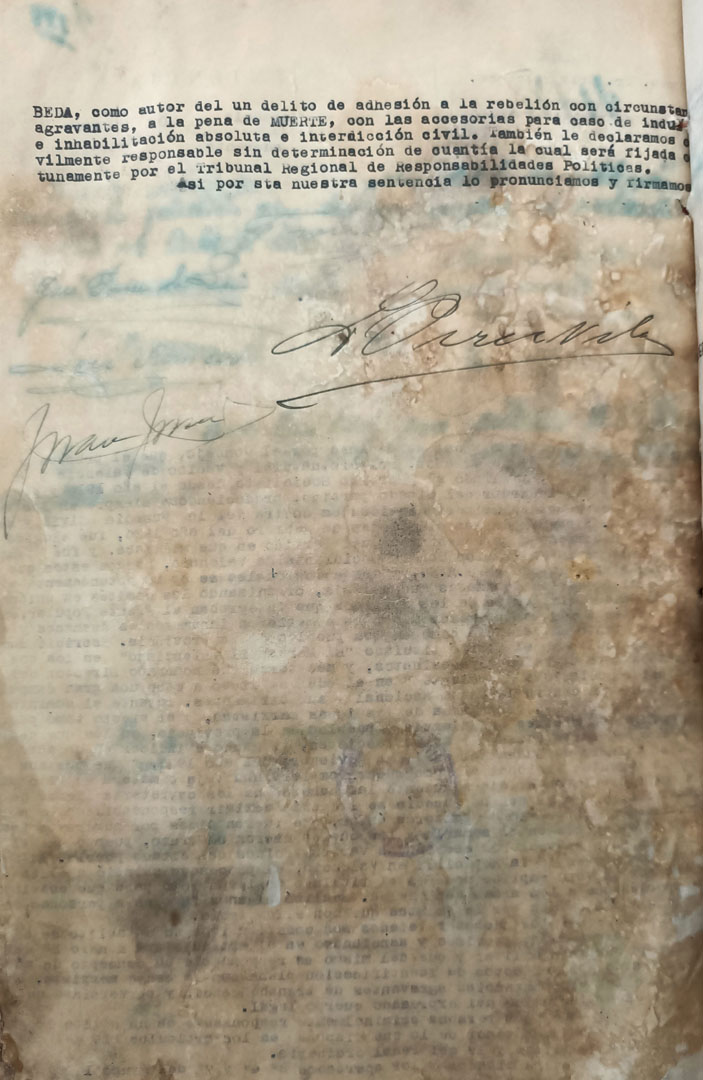
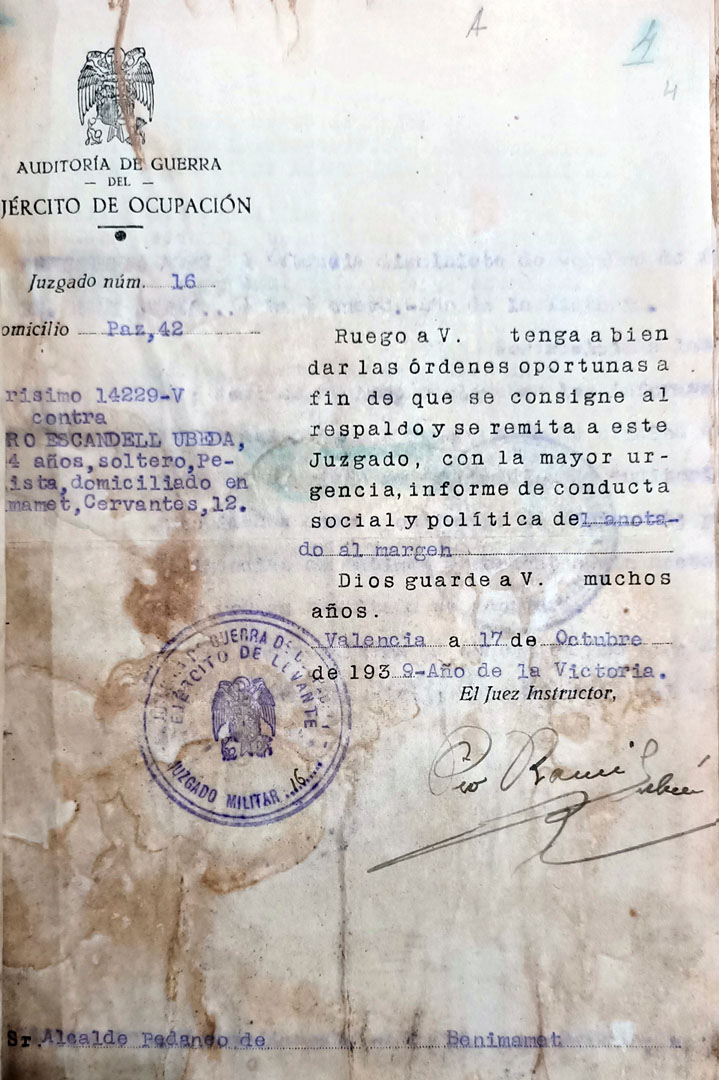
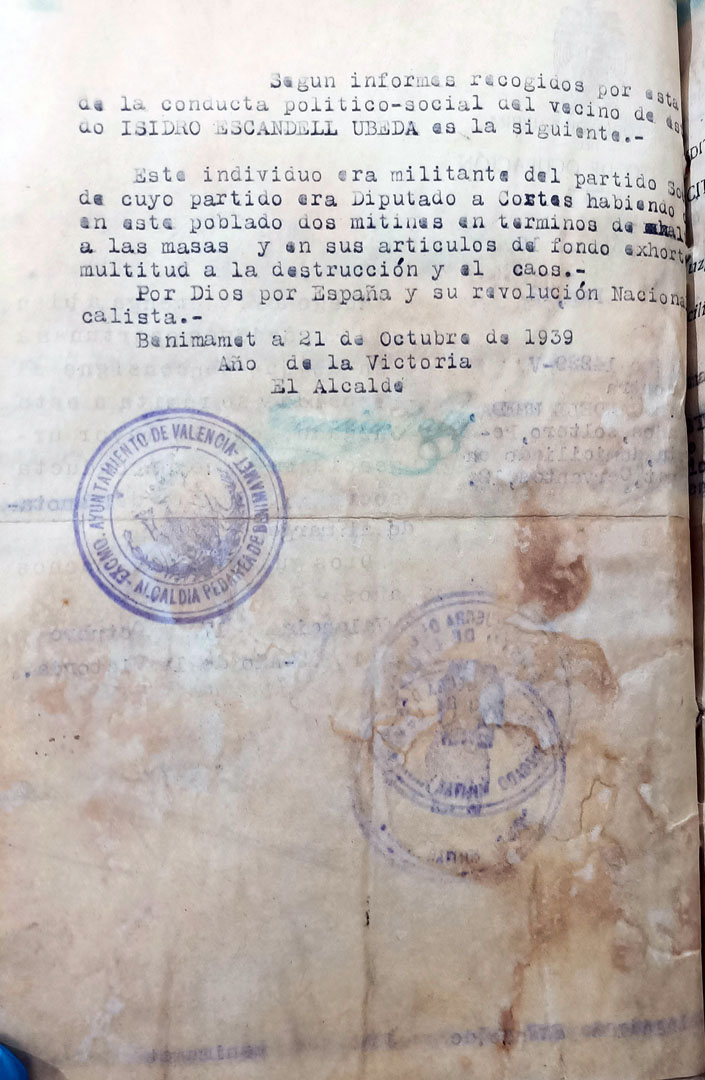
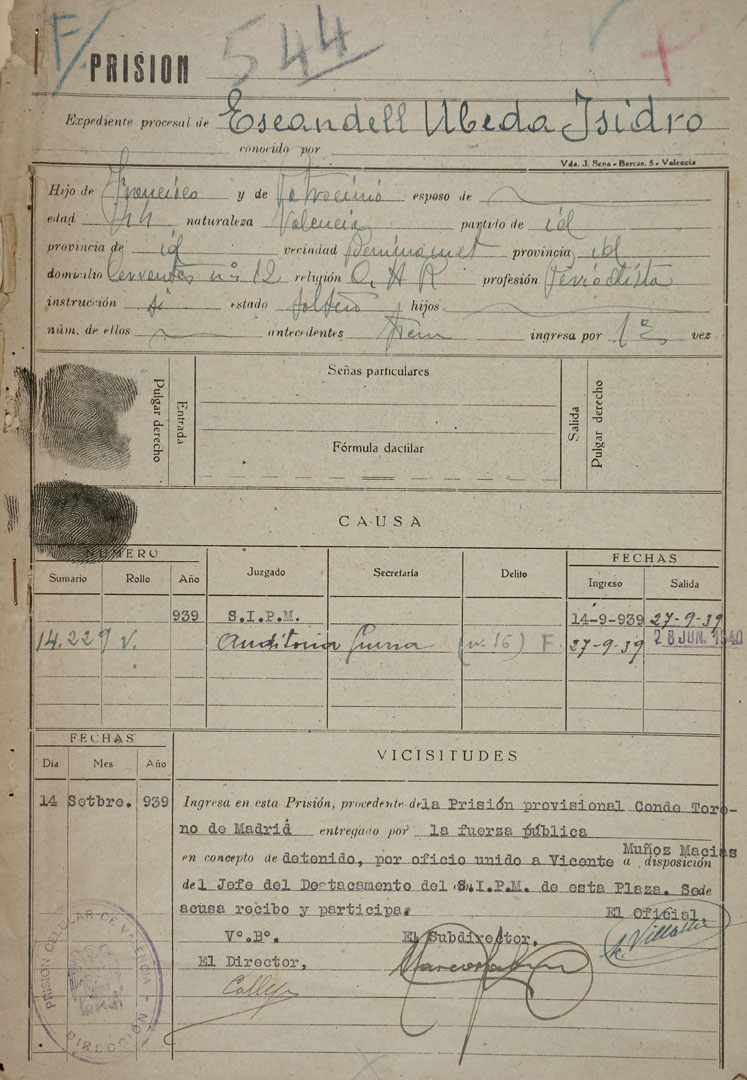
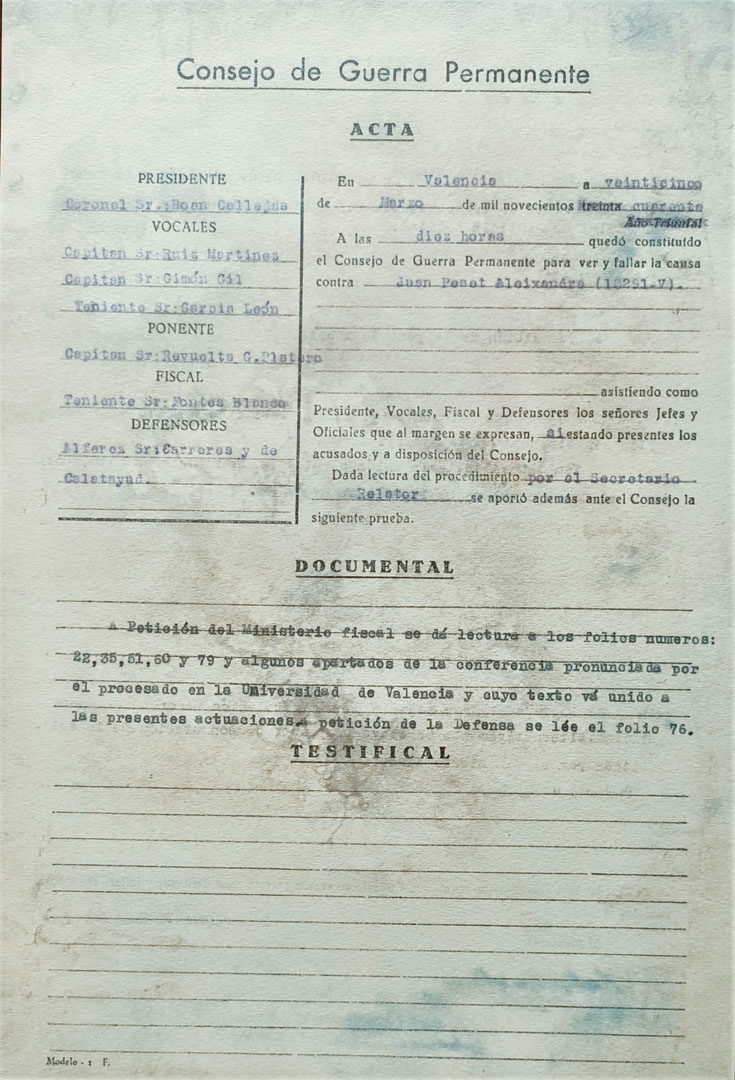
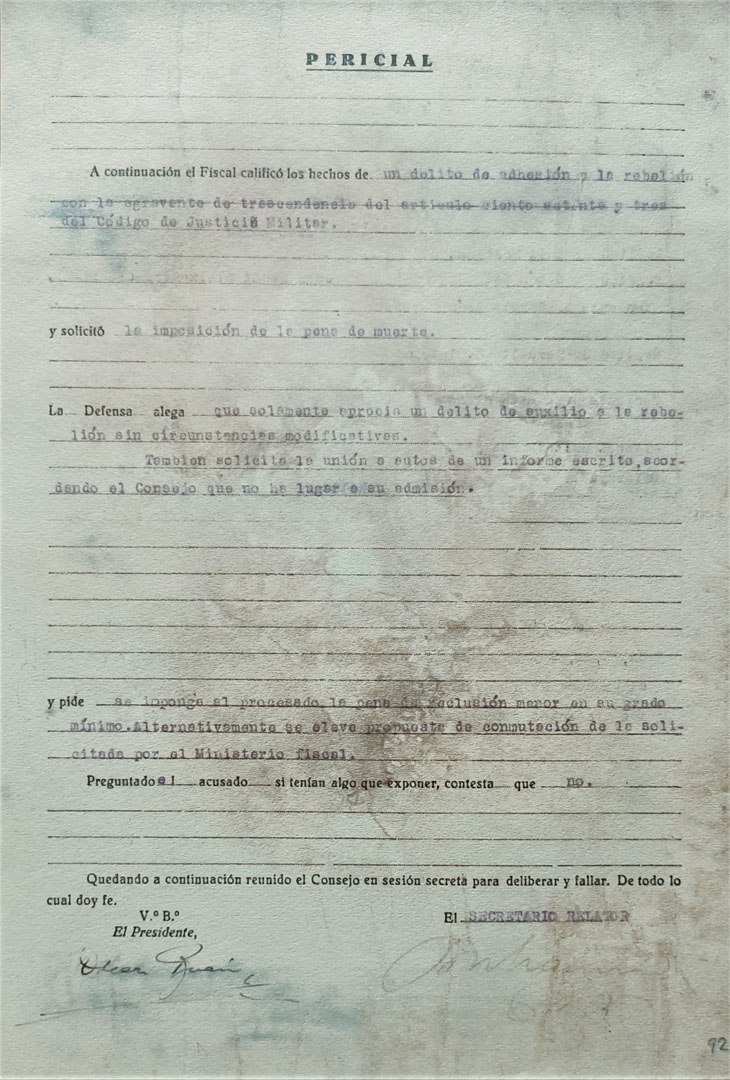
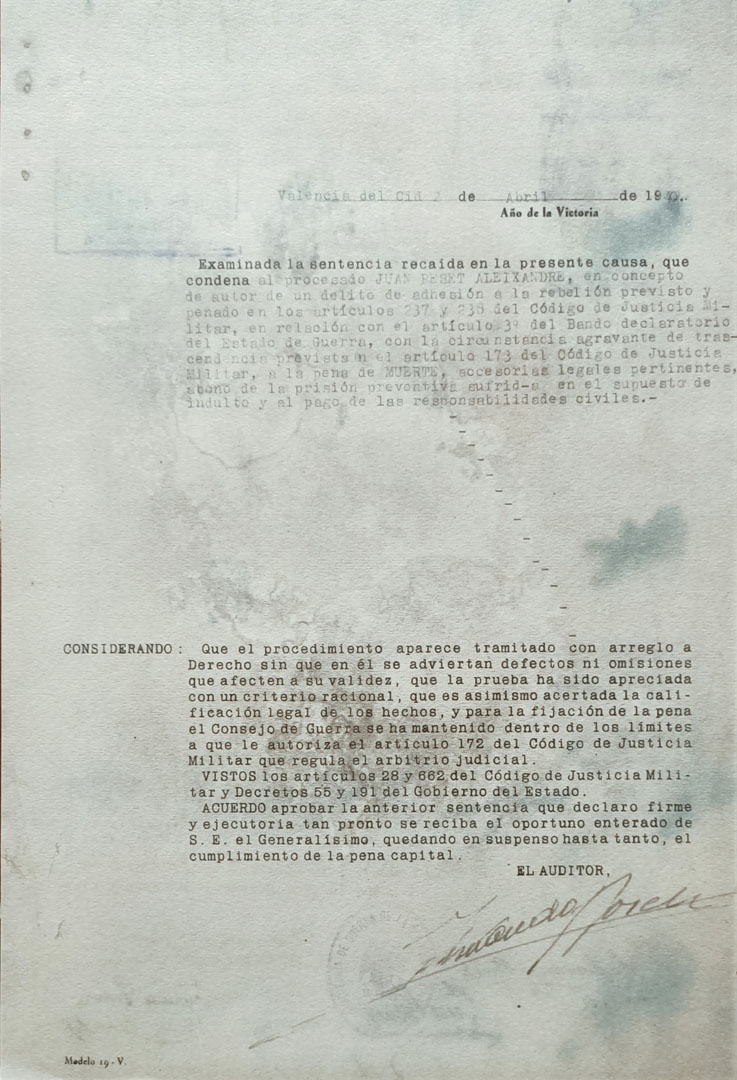
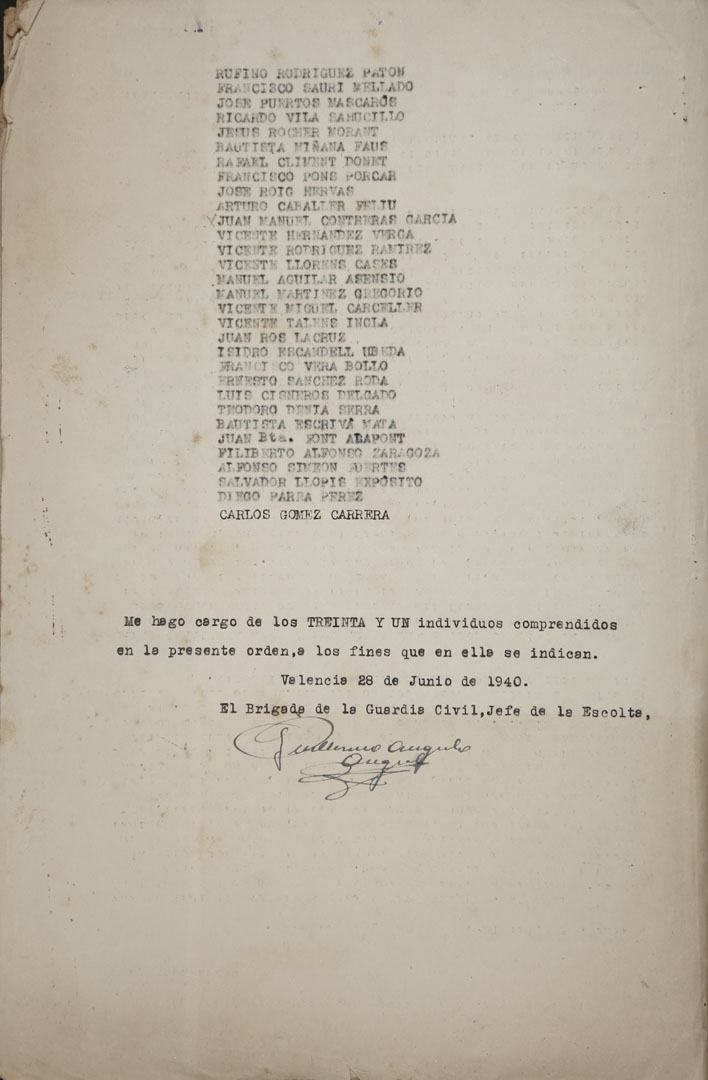
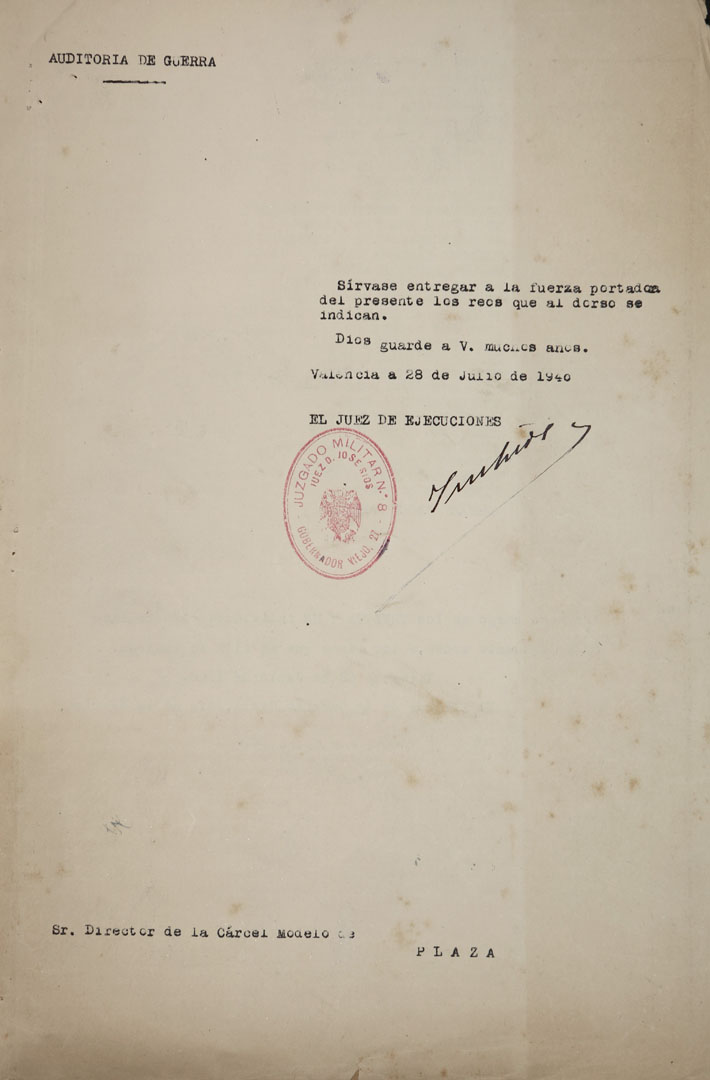
Francoism used summary proceedings as its main tool of repression as from March 1937. Extrajudicial executions in the early months of the conflict were replaced by a sham of legal proceedings marked by no right of defence for the accused, the brevity of trials, and the constant enforcement of the prosecution’s criteria within the framework of the Code of Military Justice.

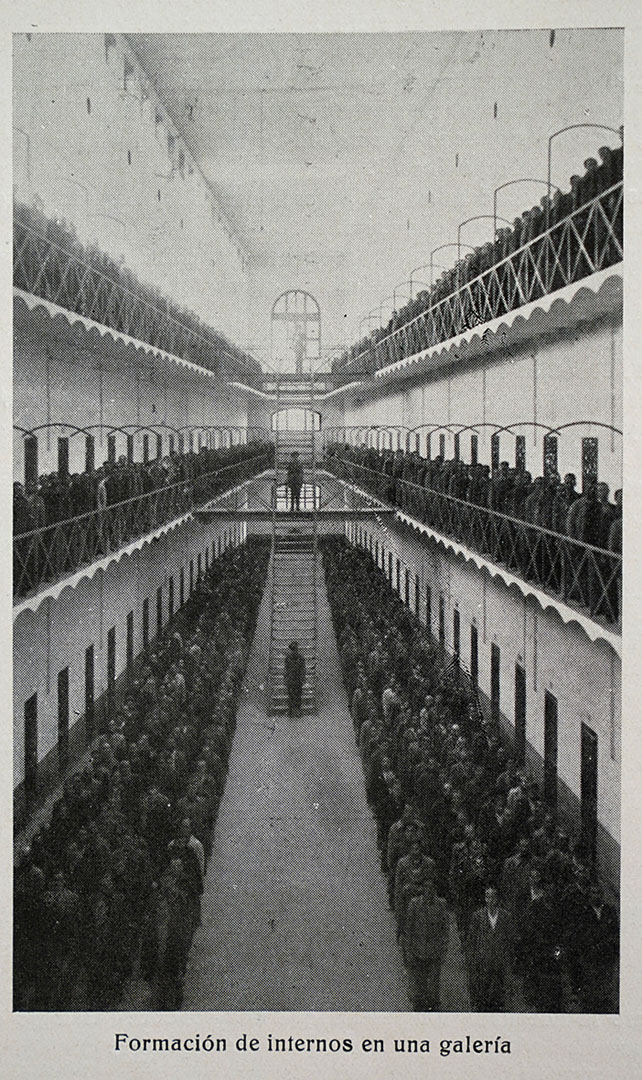
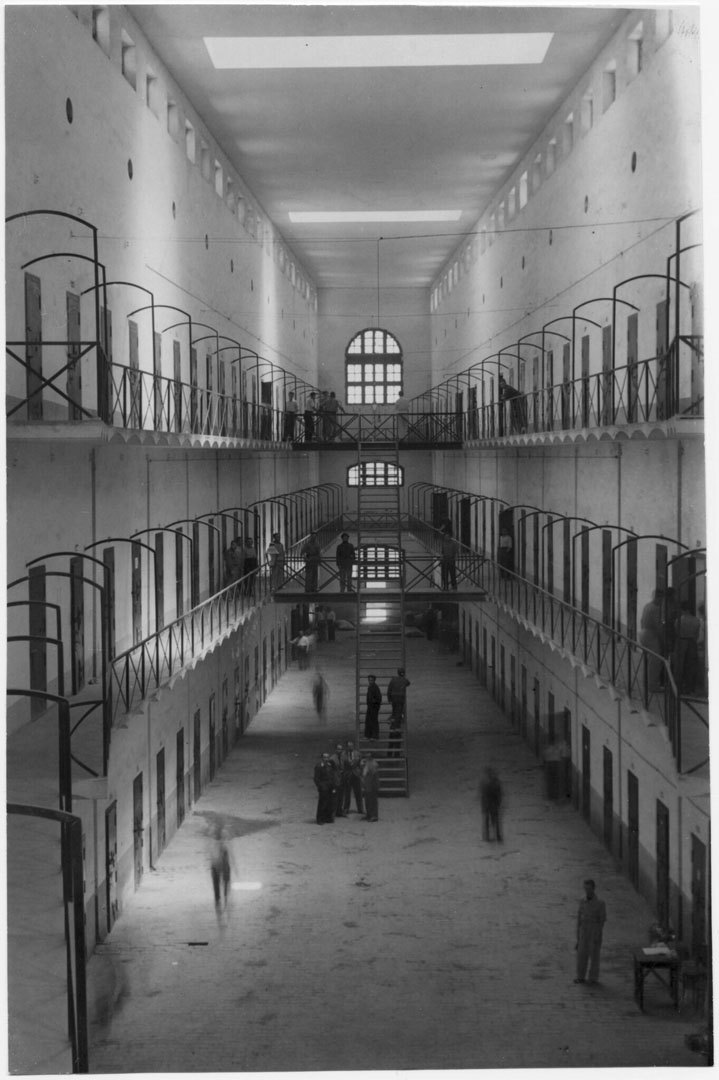
All of this with the aim of carrying out “an extensive purge of undesirables,” in the words of the Civil Guard commander of Cáceres. The accused were subjected to legal proceedings only after being imprisoned. Here they were tortured during interrogations without even knowing the charges against them. Everything had already been decided, and defence lawyers were of little or no use.

It is calculated that approximately one million court-martials turned into an irreversible journey towards death.

Summary proceedings represented a direct attack on basic human rights.

SUMMARY TRIALS
Click to view the gallery
LIVES CUT SHORT
Click on the photos to open the gallery
LIVES CUT SHORT
Click on the photos to open the gallery

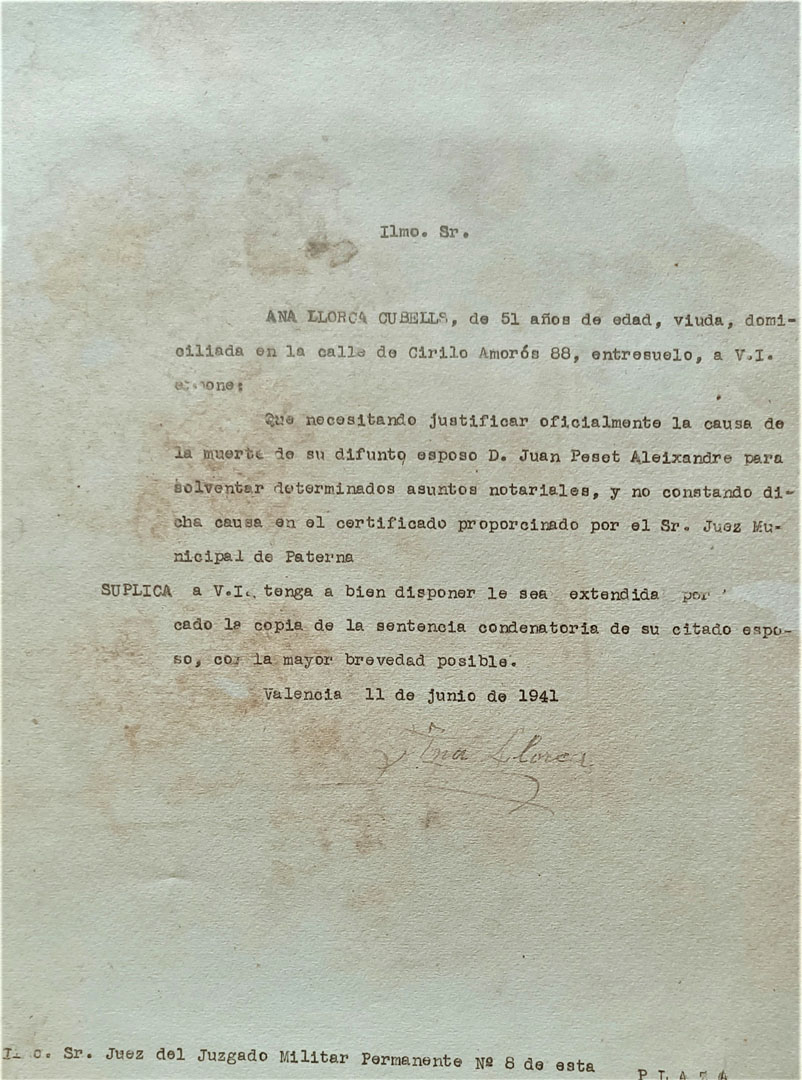
Truth, justice, and reparation. The requests come from the victims’ families. Society, through its actions, either turns it into a demand for justice or a disgraceful neglect.

40'-50'
Click on the photos to open the gallery

It was only in the 21st century that the Spanish state began to recognise, in a general sense and with few exceptions, the need for justice for those who disappeared. Before that, institutional silence and families abandoned by the state.

60'-70'
Click on the photos to open the gallery

For that reason, Spain is not a good example: over 100,000 people remained missing for decades and decades. A democratic anomaly.

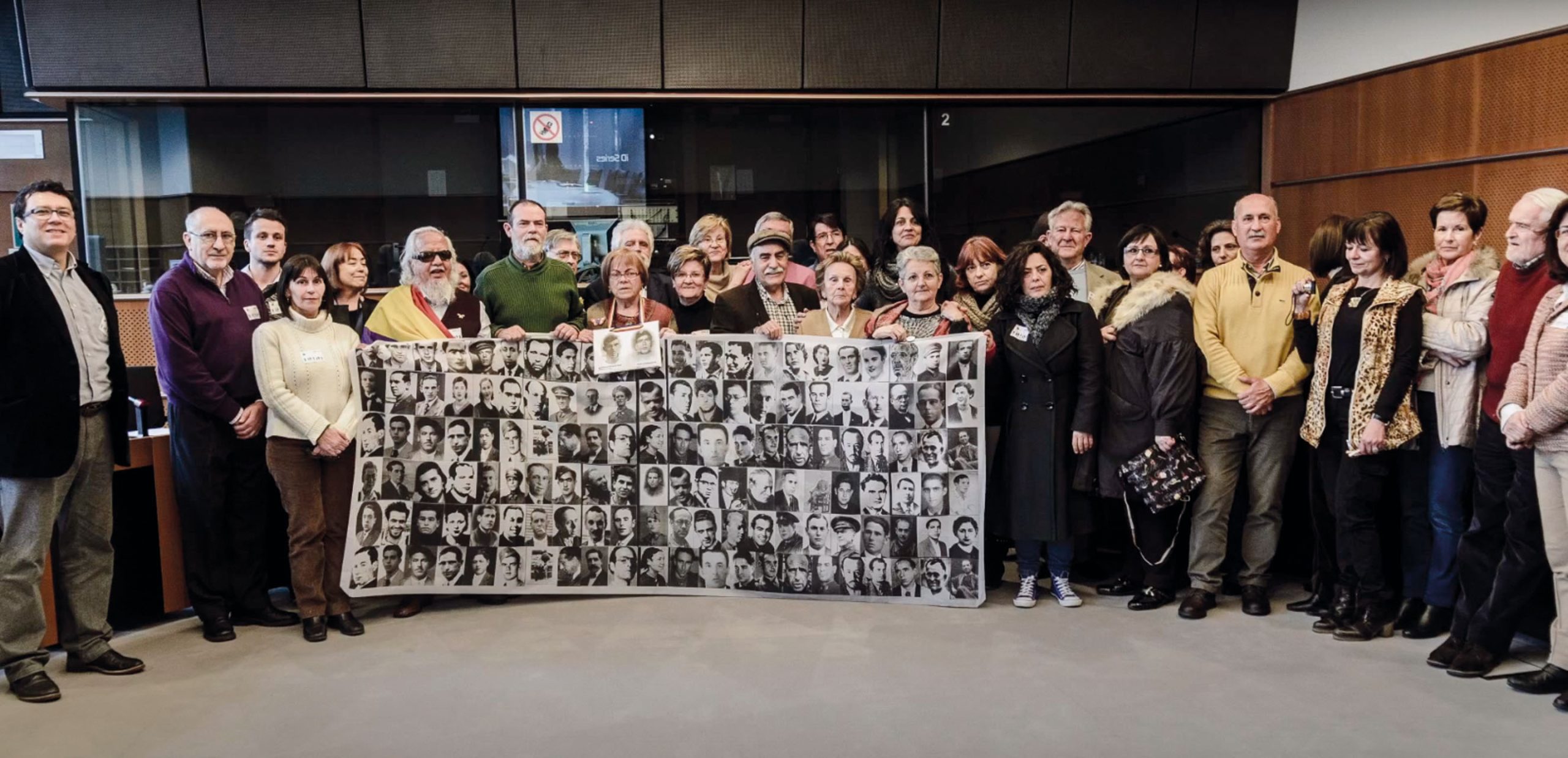
Civic groups, however, refuse to remain silent and demand compliance with international human rights. Some progress has been made, but there is still much to be done.”

2000s - Present
Click to watch the full video
This site is registered on wpml.org as a development site. Switch to a production site key to remove this banner.