
Credits

A production of

Delegación de Memoria Democrática de la Diputación de Valencia

Director

Bressol Produccions

Scipt and text

Carles Senso

Recording and audiovisual editing

Toni Lucas – Vicent Pons

Colour correction

Ricardo Fornés

Translations and subtitling

Desmond Graal – Maria Prats Vidal – Jota Martínez Galiana

Graphic design and web development

Music

Edu Comelles

Musical arrangements

Rafa Ramos Sania

Sound dubbing

Edu Comelles

Final song

Pau Alabajos. Ofici permanent a la memòria de Joan B. Peset, que fou afusellat a Paterna el 24 de maig de 1941. I (Del disc “Pau Alabajos diu Mural del País Valencià de Vicent Andrés Estellés”, Bureo Músiques, 2013)

Film archive

Cap 01 LA BARBÀRIE: Archivo fílmico de Internet Archive. Vídeos de dominio público y de (WITNESS.org) WFYI (TV)

Cap 01 UN PAÍS EN GUERRA: «Epopée d’Espagne» (Bertrand Dunoyer, 1953). Ciné-Archives, fonds audiovisuel du PCF et du mouvement ouvrier. Película restaurada por el CNC.

Acknowledgements

Memorial 2238 Paterna. (Equipo técnico y artístico Memorial 2238: Pablo Sedeño Pacios, Vicente Olcina Ferrándiz y Francisco de Paula Rozalén Martínez).

Plataforma d’Associacions de Familiars de Víctimes del Franquisme de les Fosses Comunes de Paterna

Teresa Llopis Guixot

Amparo Belmonte Orts

Charo LaportaConcepción Pastor Rubira

Miquel Mollà Egea

Manolo Ramos Soler, de l’Associació de Memòria Democràtica de La Vall d’Albaida

Darío Sancho Oltra.

IES Jaume I d’Ontinyent.

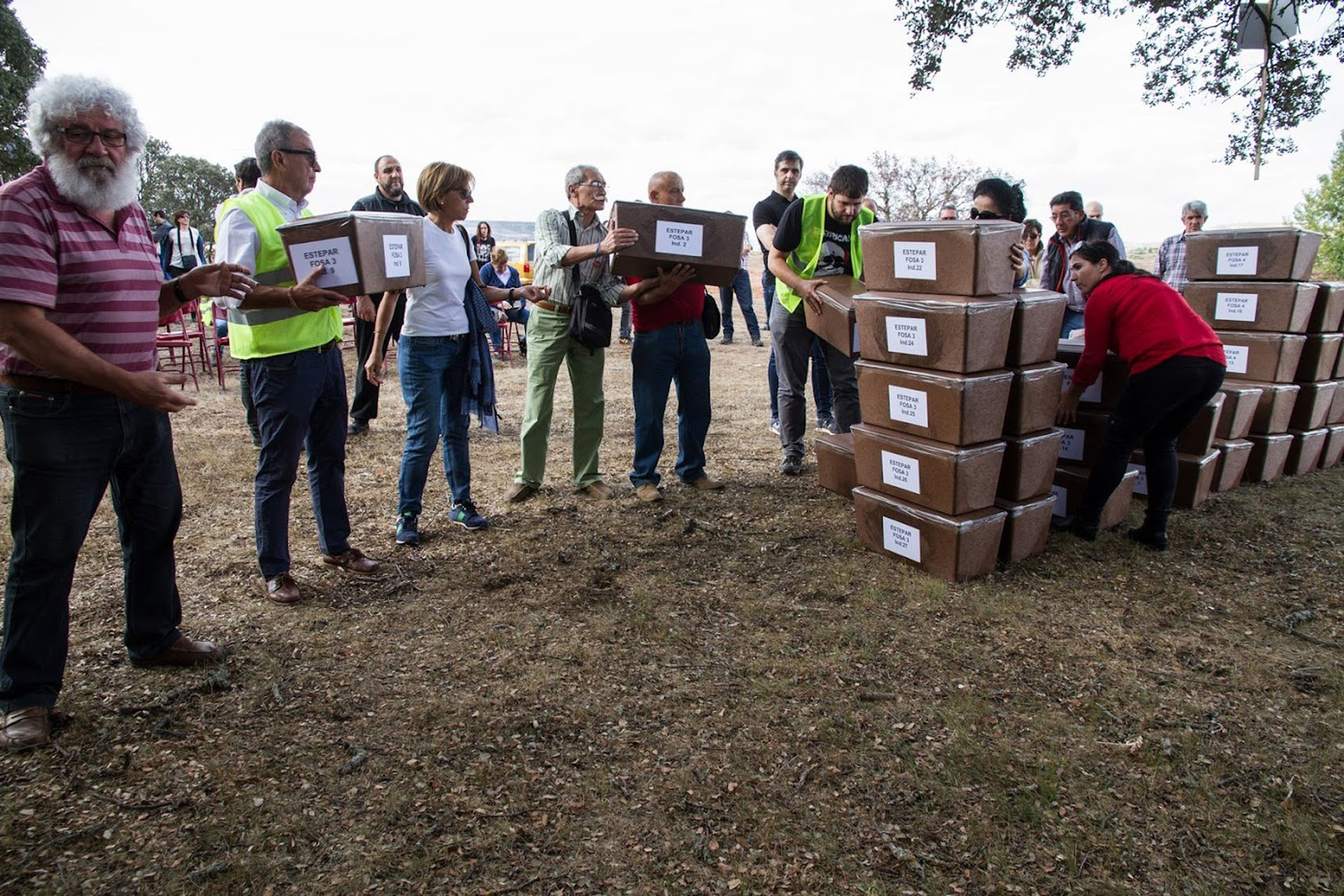
Acte d’entrega de cossos de víctimes a les famílies de la fossa 100.

Cementiri municipal d’Alzira

Cementiri municipal d’Ontinyent

Memorial de paterna

Cementiri municipal de Paterna

Albert Costa

Joan Seguí

Raquel Ferrero

Museu Valencià d’Etnologia, L’Etno

Museu de Prehistòria de València, Arqueoantro

Thank you to all the families of the victims of Francoism from the mass graves in Paterna for sharing their photos.

Registration and intellectual property

Atribución-NoComercial-SinDerivadas 4.0 Internacional: https://creativecommons.org/licenses/by-nc-nd/4.0/

The copyright ownership of some of the works reproduced in this project is unknown; should any holders come forward, the terms of the relevant permissions will be negotiated.

PLAY
Exhumations and Dignity

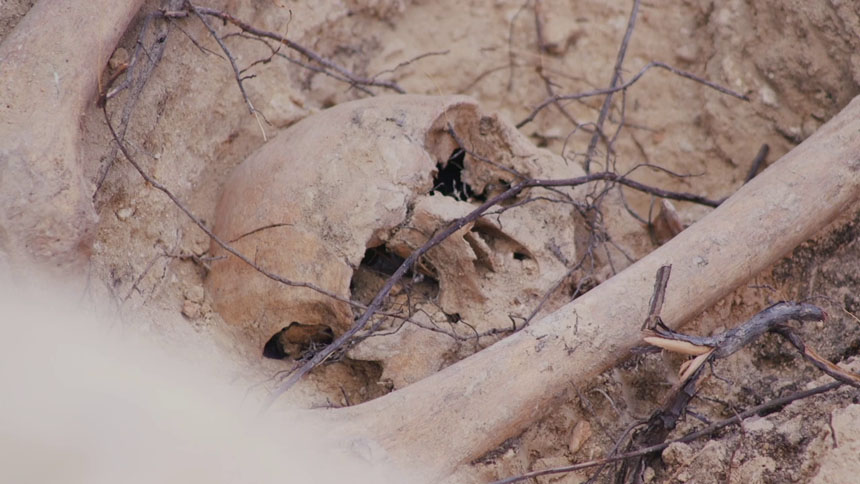
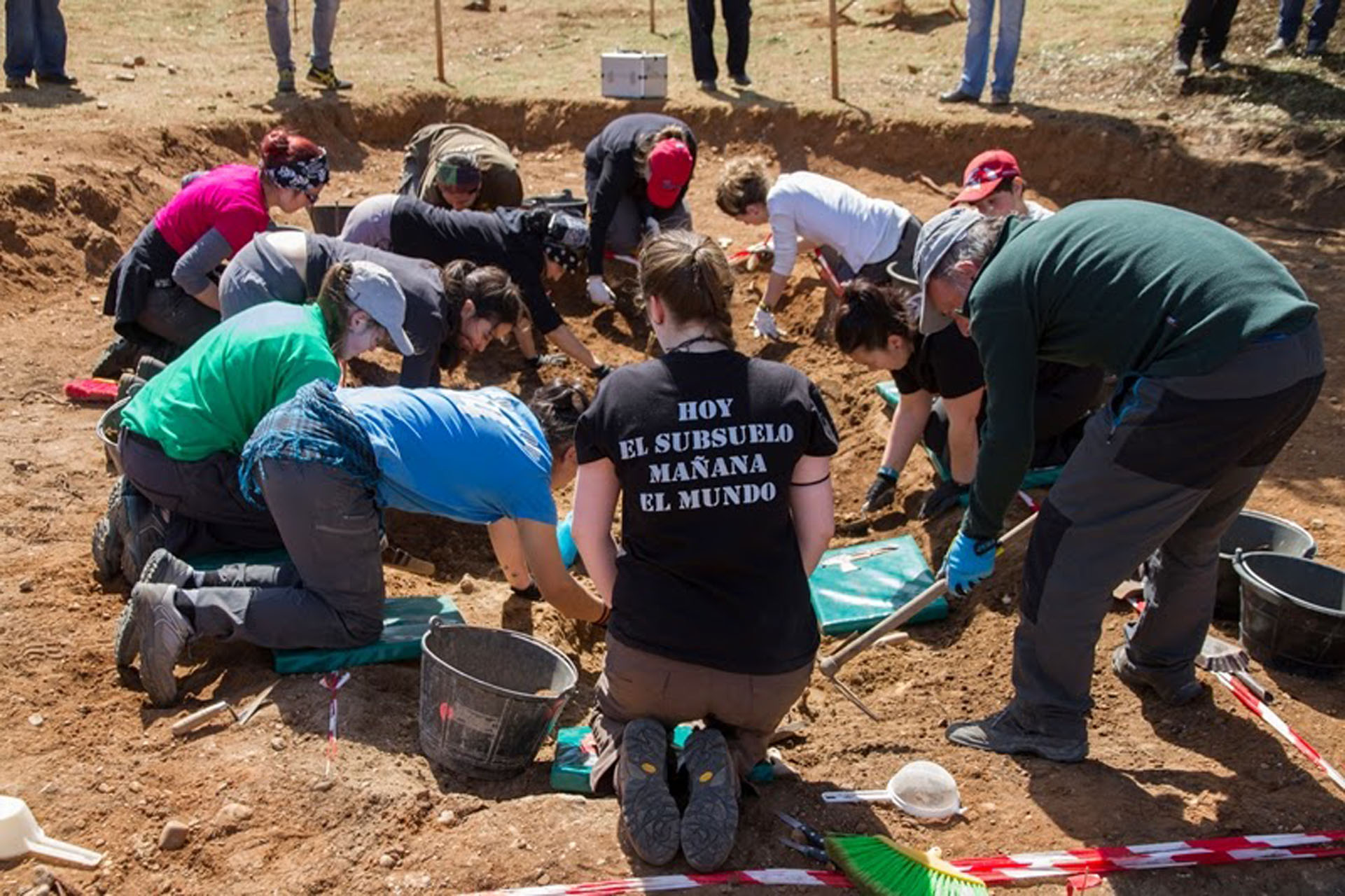
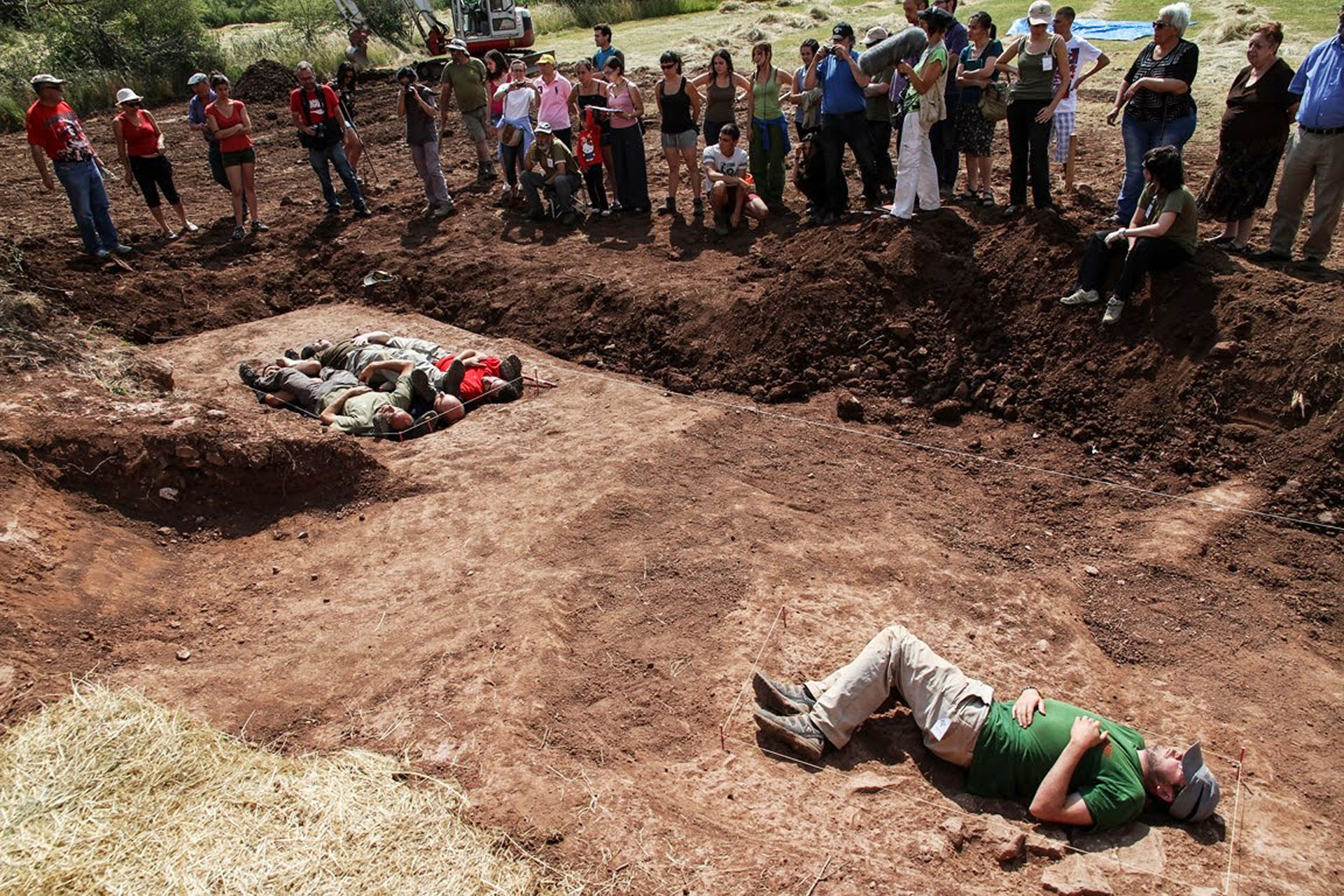
The present is buried. It needs to be exhumed, unearthed. Forensic archaeology, which recovers those who were murdered and hidden in mass graves, has proven essential in reviving this country’s recent history, playing a crucial role in the public discourse about today’s democracy.

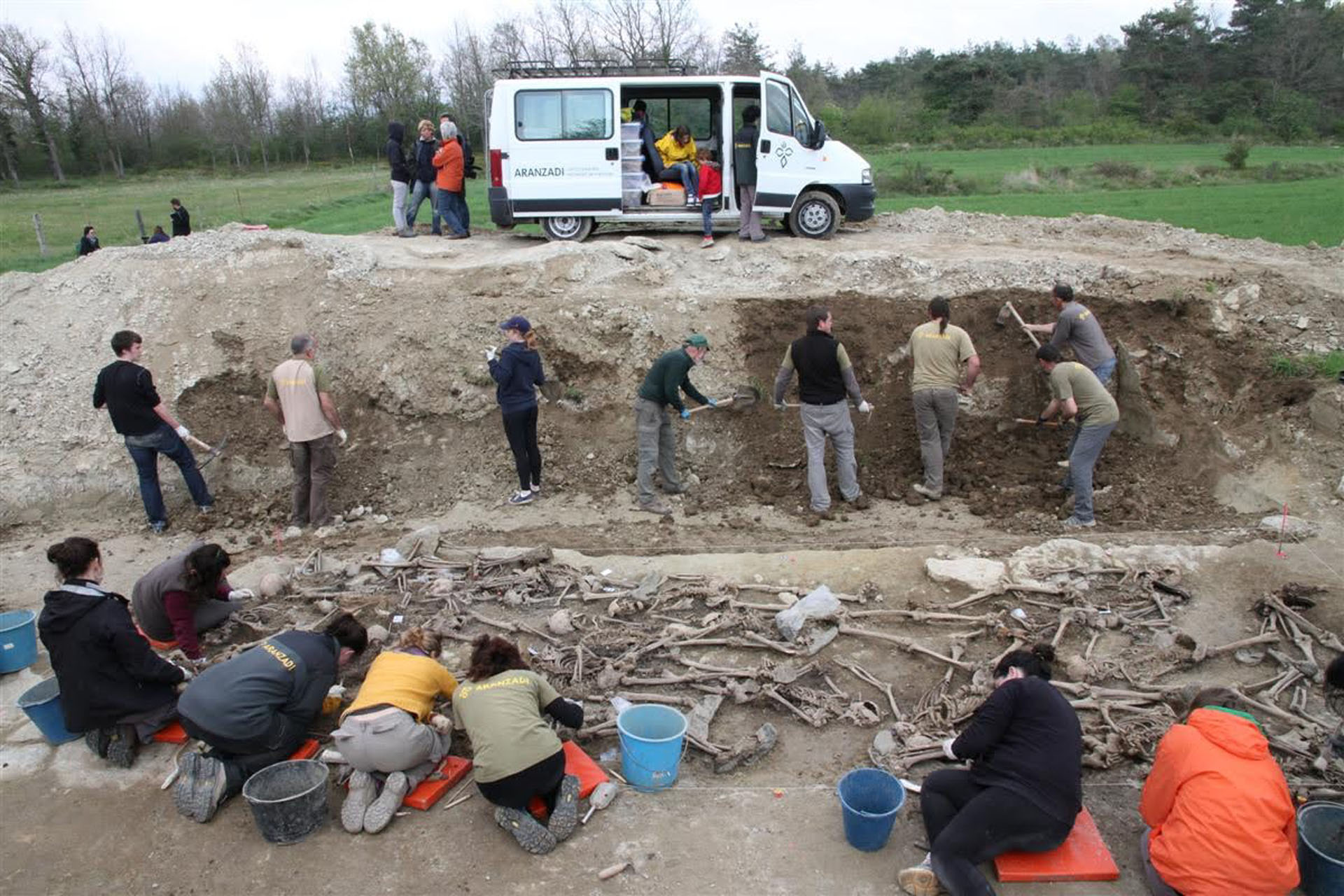
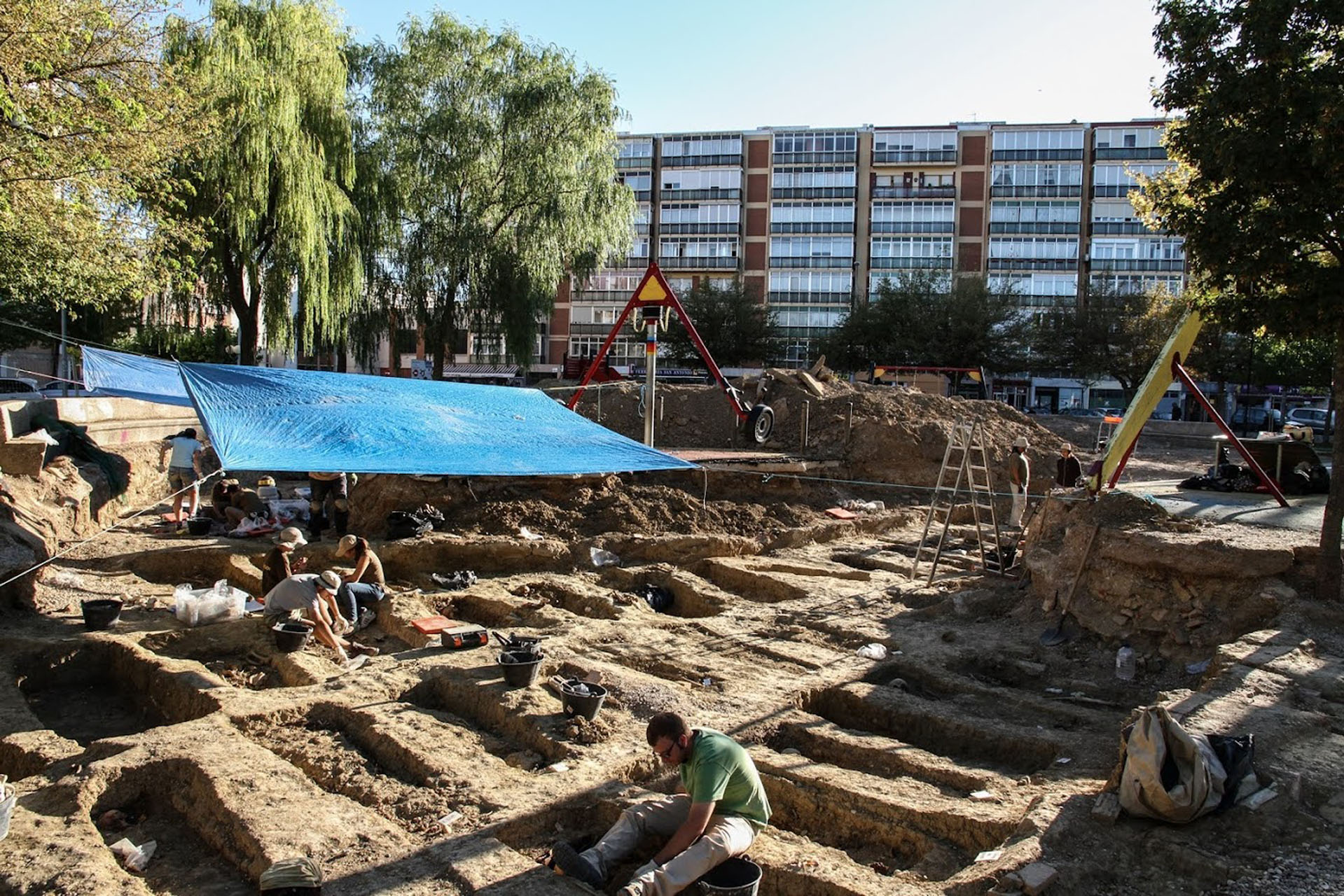
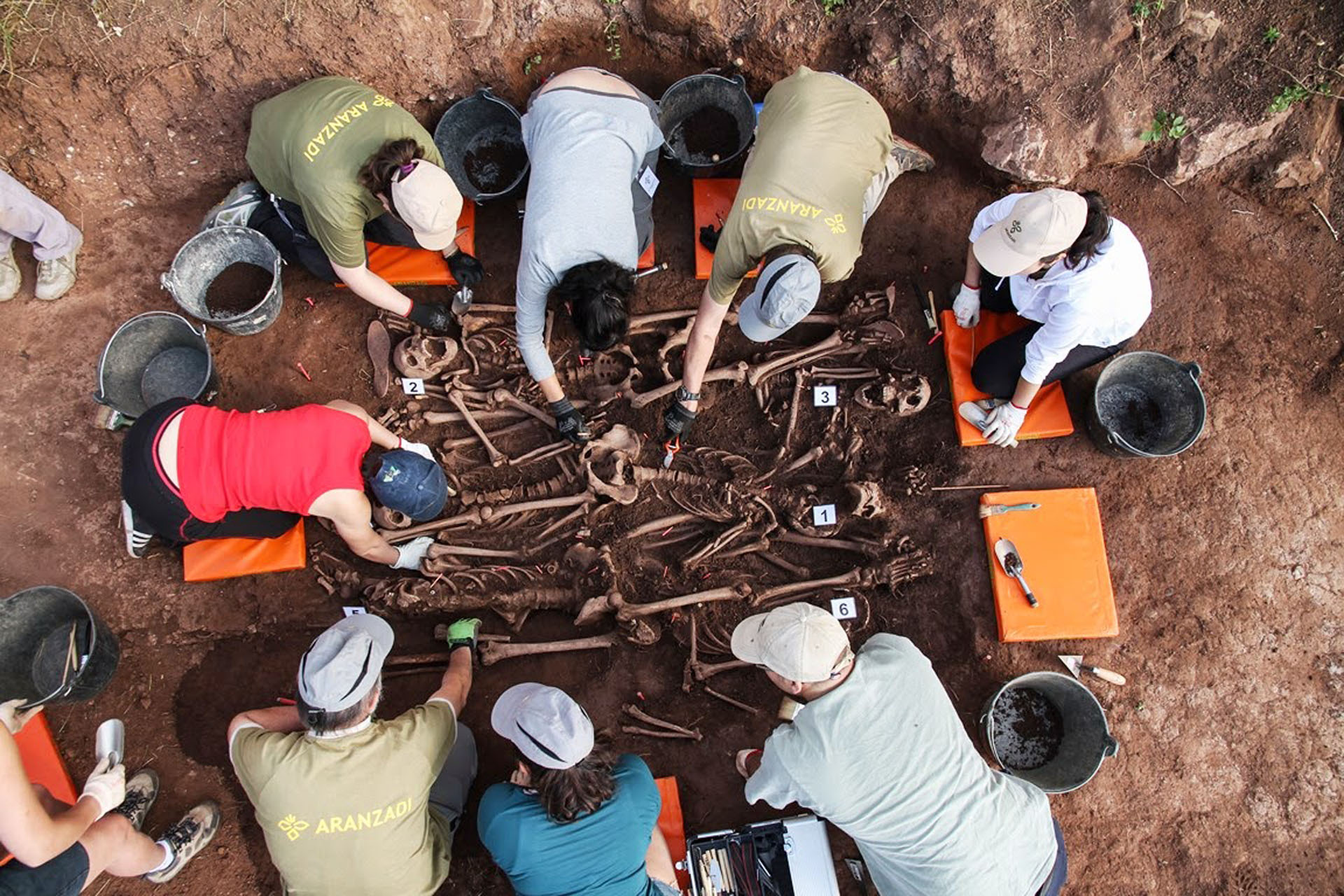
Frequently linked to the prehistoric world, these professionals have shown their ability to reconstruct the past through bodies, objects, places and writing. They are the first witnesses of a crime committed decades ago and each detail is crucial.

Multidisciplinary work enhanced by knowledge of history, geology or anthropology. Collaborative work aimed at engaging with reality in a reliable way.

THE WORK OF RECOVERING MEMORY
Click on the photos to open the gallery
THE HISTORICAL STAGES OF POLITICAL DECISIONS

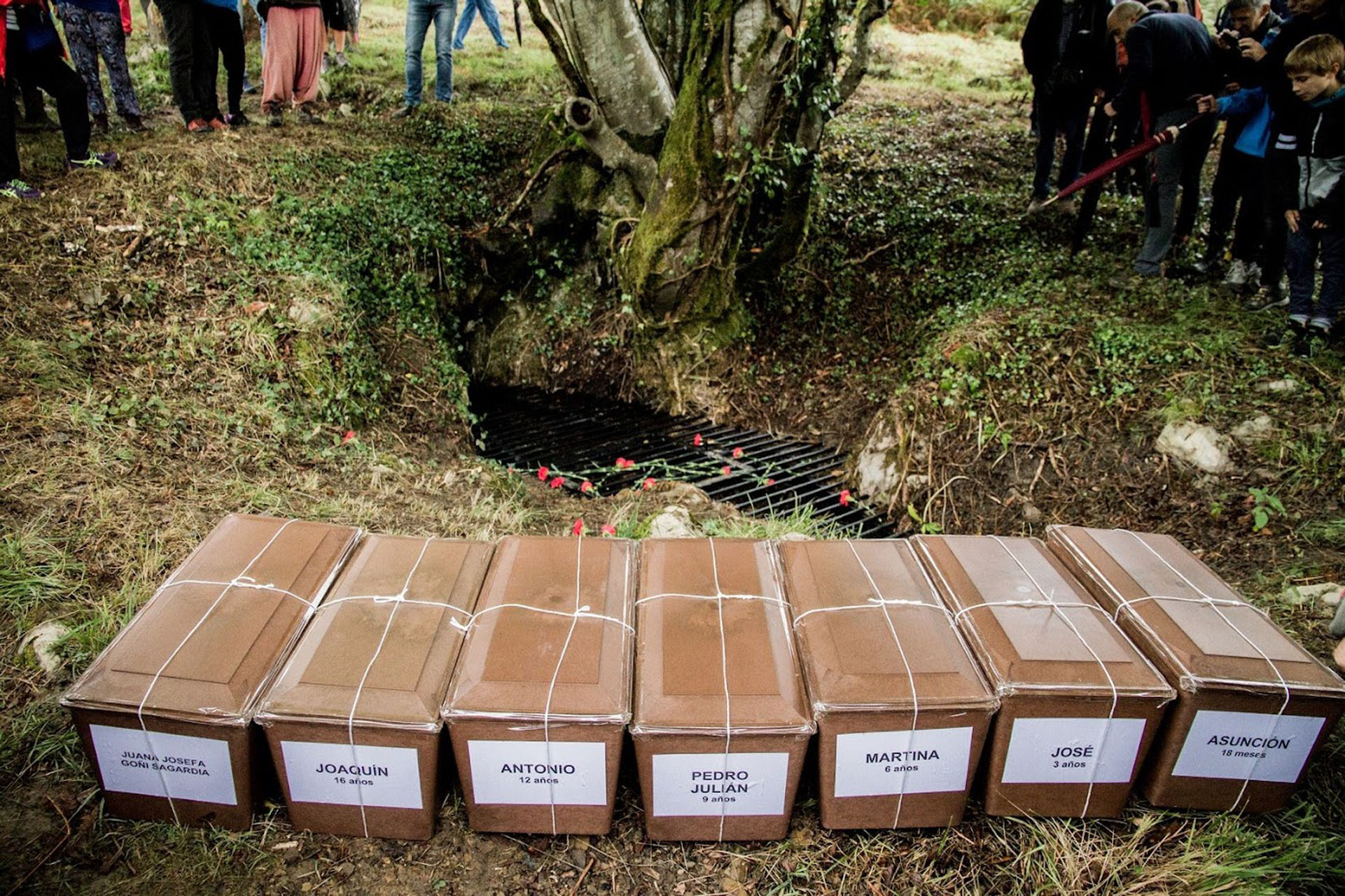
The first contemporary exhumations were carried out by the victims’ families who, to give them a proper burial, secretly gained access to the bodies.

1939-40’

Later, this was jointly self-financed by the associations set up by families. The state authorised some transfers. As from 1959, the dictatorship transferred around 33,000 bodies from both sides of the civil war to Cuelgamuros (Madrid).

1945-1975

With the dictator dead, families continued to fund exhumations privately.

1976-1999

It was not until 2006 – after many decades – that the institutions were petitioned and started providing funding, granted by the Ministry of the Presidency. Law 52/2007 and the Protocol for Exhumation of Victims of the Civil War and the Dictatorship (adopted in 2011), enabled the provision of aid and ministerial assistance, delegating the duties to families. The exhumations took on a scientific approach.

2006

The change of government in 2012 resulted in the elimination of funding, something they openly boasted about.

2012

Changes in political parties also brought compassionate leaders to regional governments, who initiated new channels of aid. Firstly, the Diputación de Valencia, followed by the Regional Ministry for Participation, Transparency, Cooperation and Democratic Quality (Valencia Regional Government), initiated methods similar to those put in place by the Ministry.

2015
SYMBOLIC SITES PATERNA
Click on the photos to open the gallery

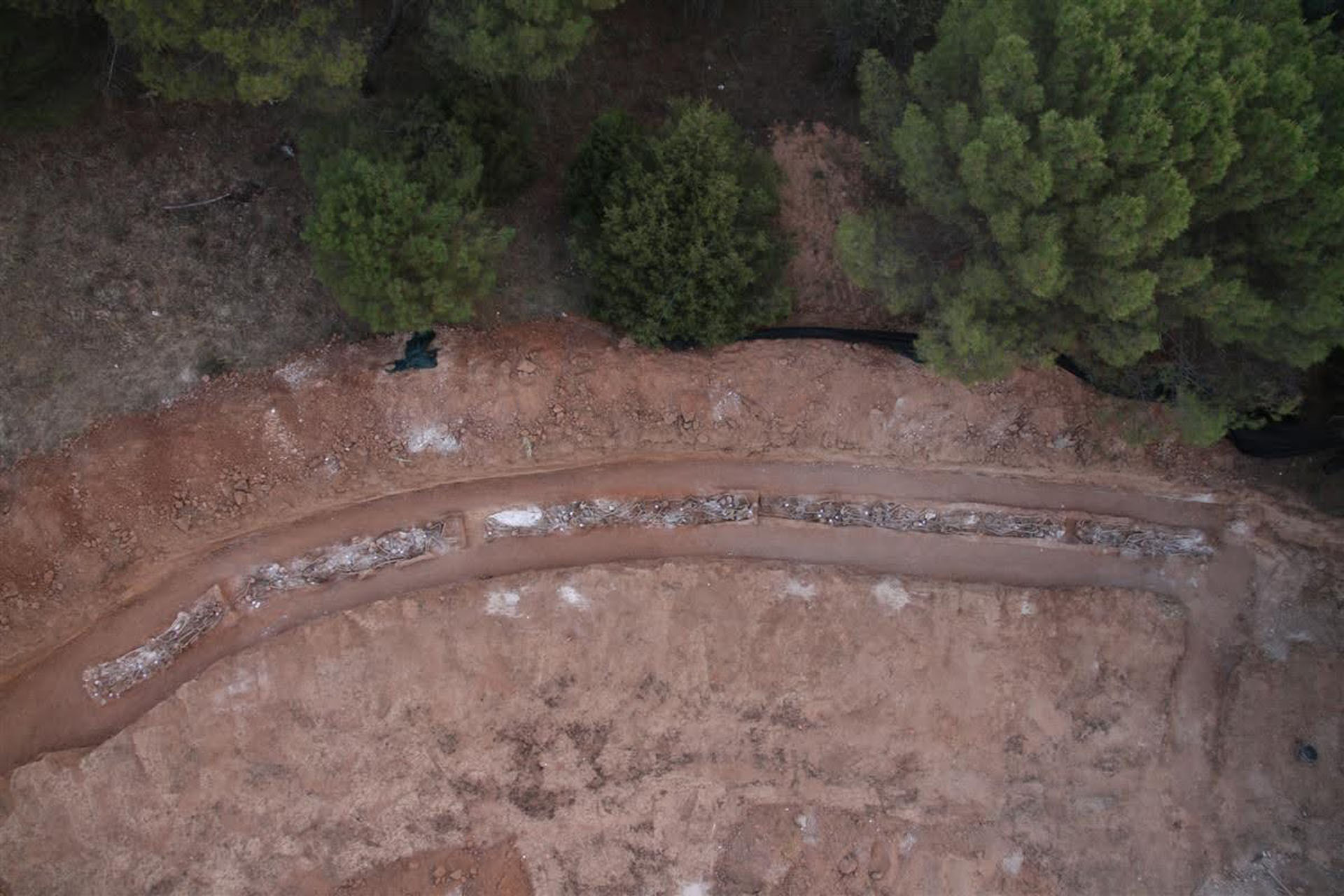
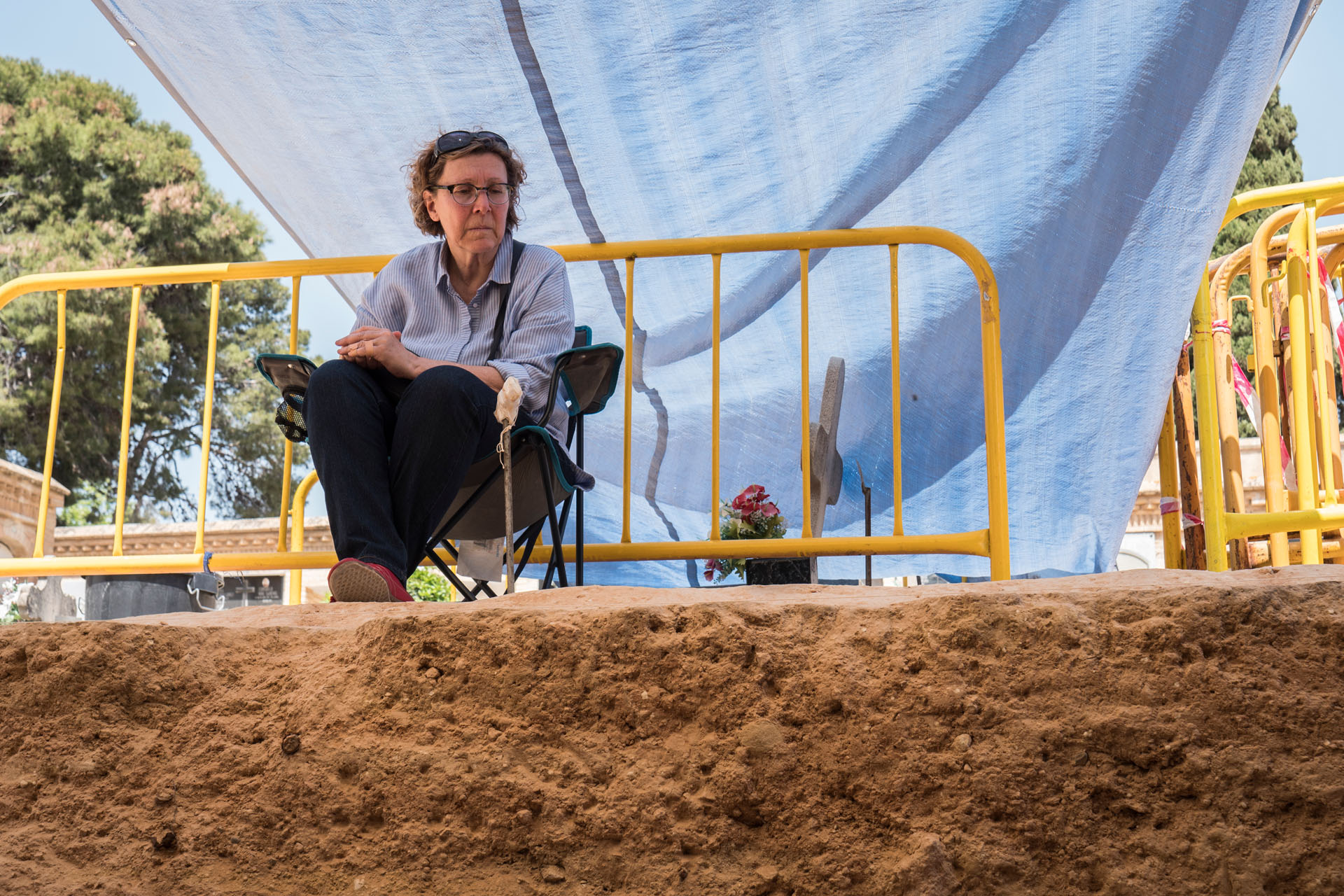
Crimes were committed here, but it is also a site full of memories. At least 2,238 people were buried there in mass graves.
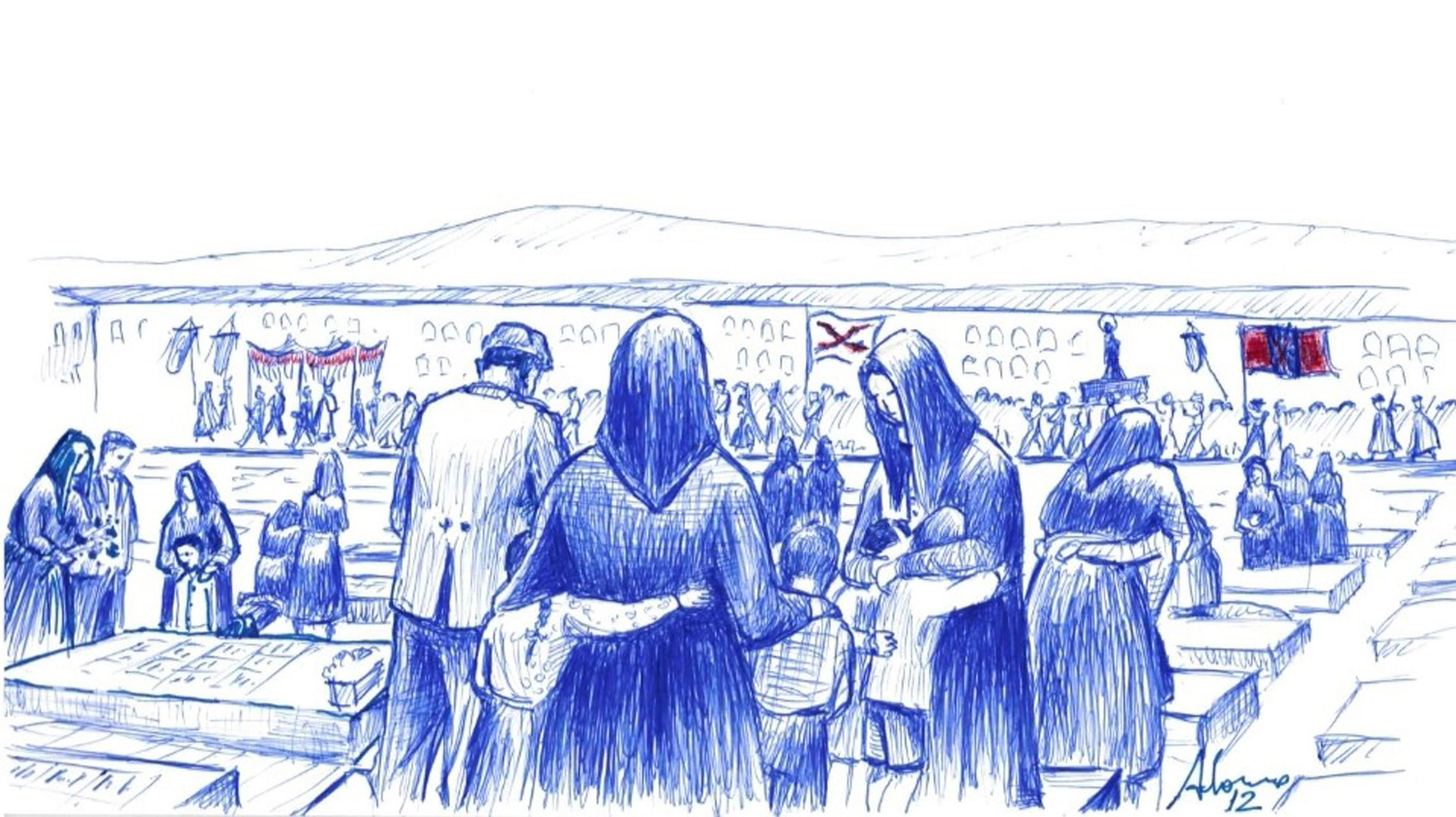
Paterna is a unique site: due to the extensive repression; the evident signs of institutionalised terror; the well-preserved biological state of the bodies buried there, and the fight by families to recover their memory.
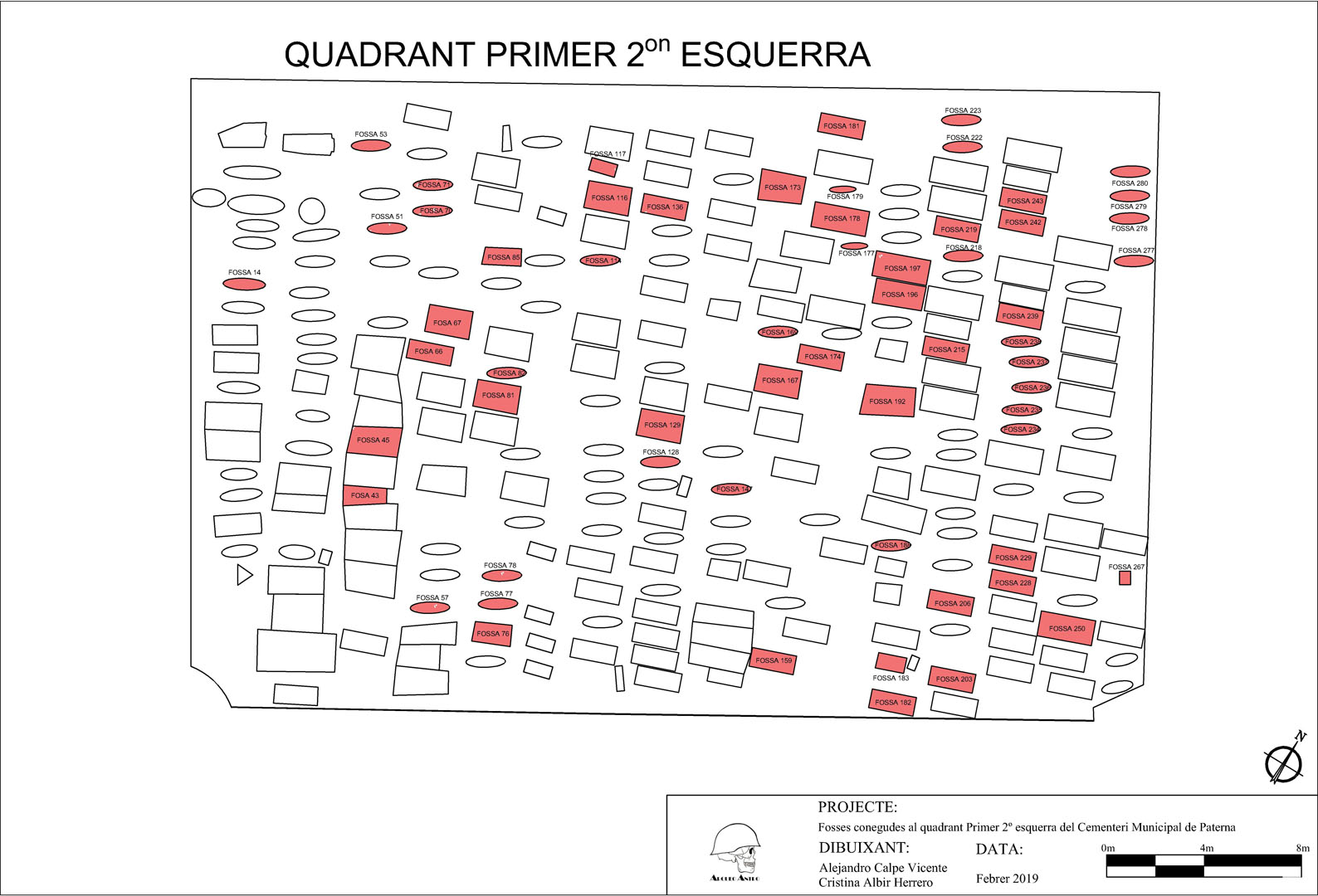
According to research by Gavarda, in the entire territory of Valencia, 4,714 people were murdered from 3 April 1939 until late 1956.
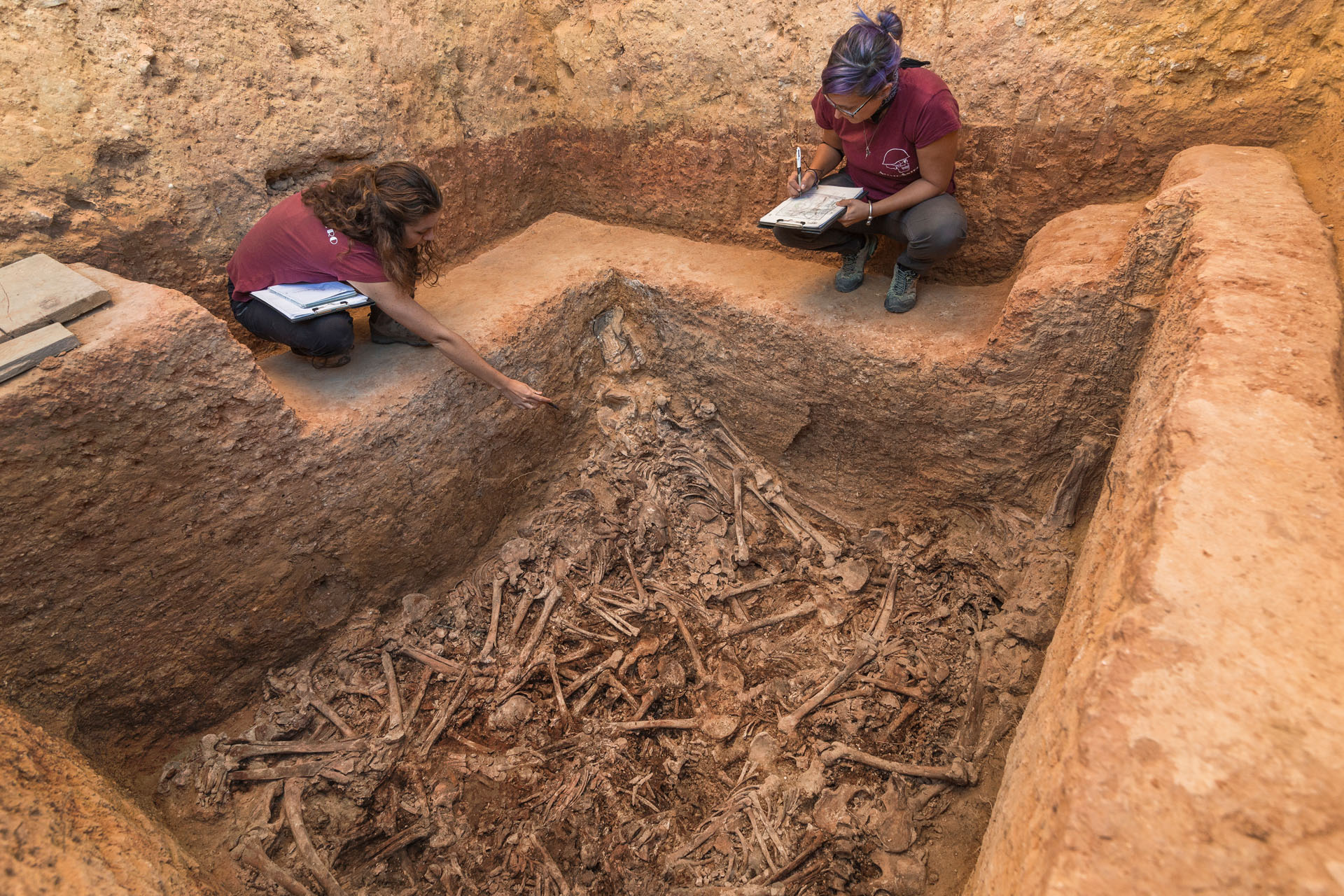
Non-existent rights to a defence, trials that were a sham. The bureaucratisation of terror, the institutionalisation of repression. From recruitment centres to El Terrer firing line.

155 mass graves documented.
Click to watch the full video

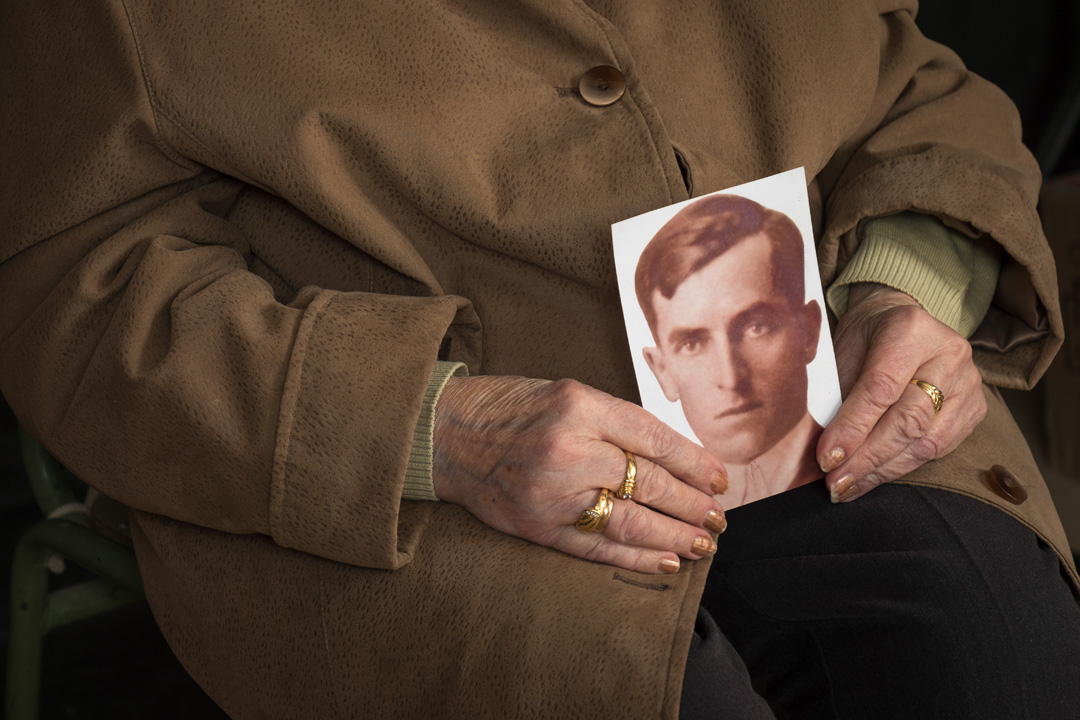
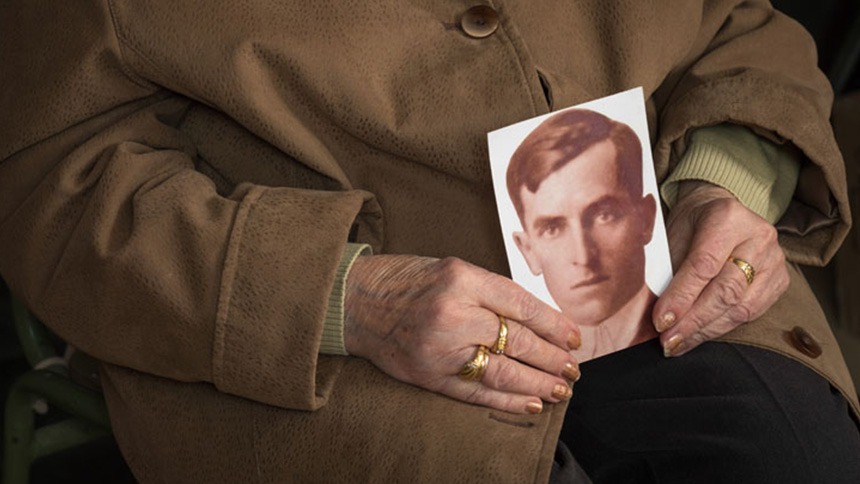
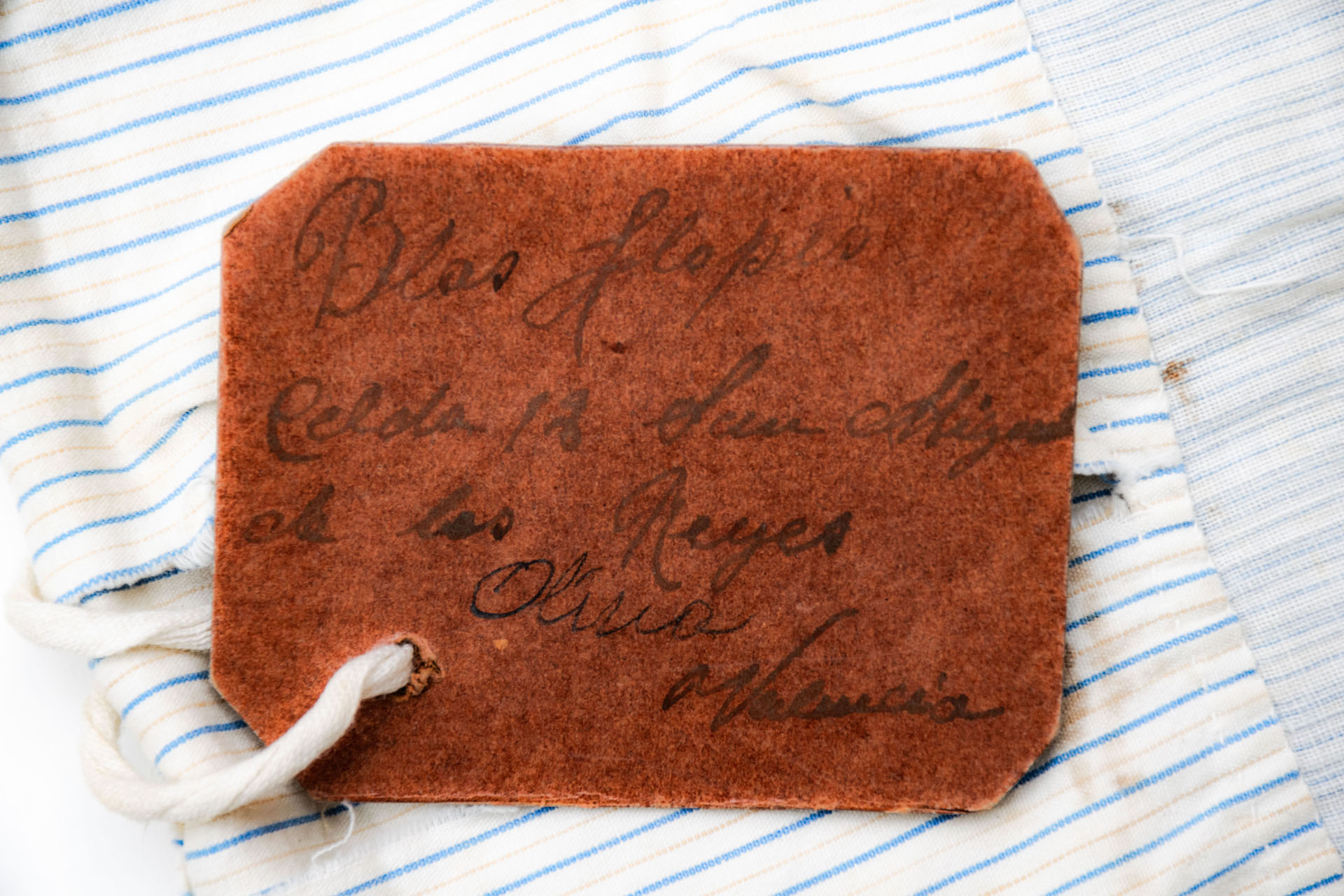
The exhumations begin far from the mass graves. In an object shrouded in silence for decades at the bottom of a drawer, in the story of an ageing worker, or a descendent who never lost hope. There are objects and stories that lead to the truth.

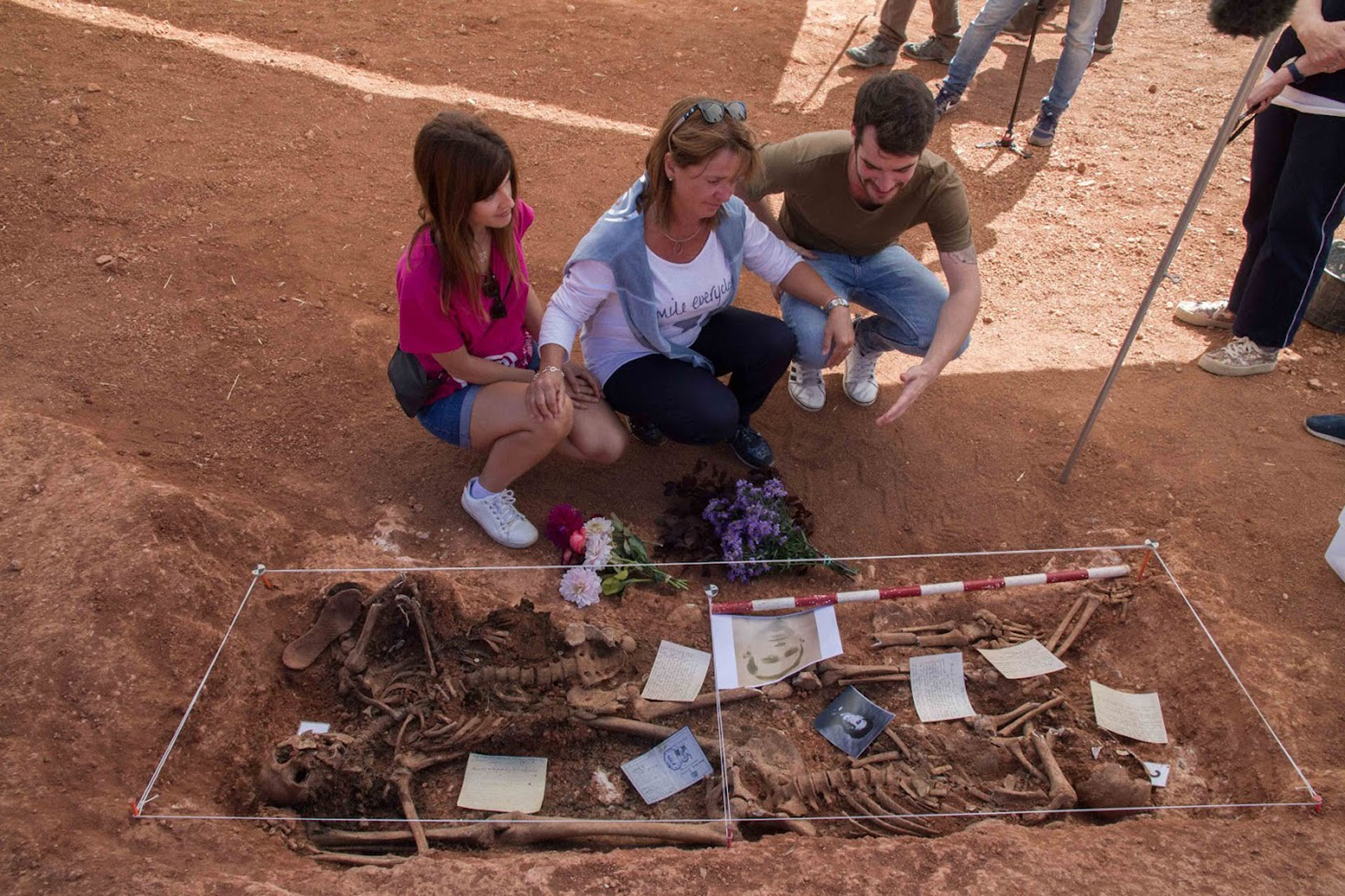
When the bodies are uncovered in the earth, the painstaking job of identification begins: families are obviously required to provide the genetic link. Sometimes clues lead the way.

Objects that have lingered in the memory and resurfaced, linking the past and present, becoming symbols of immeasurable value.

THE ARCHAEOLOGY OF MASS GRAVES
Click to view the gallery
Click to watch the full video
THE ARCHAEOLOGY OF MASS GRAVES
Click on the photos to open the gallery

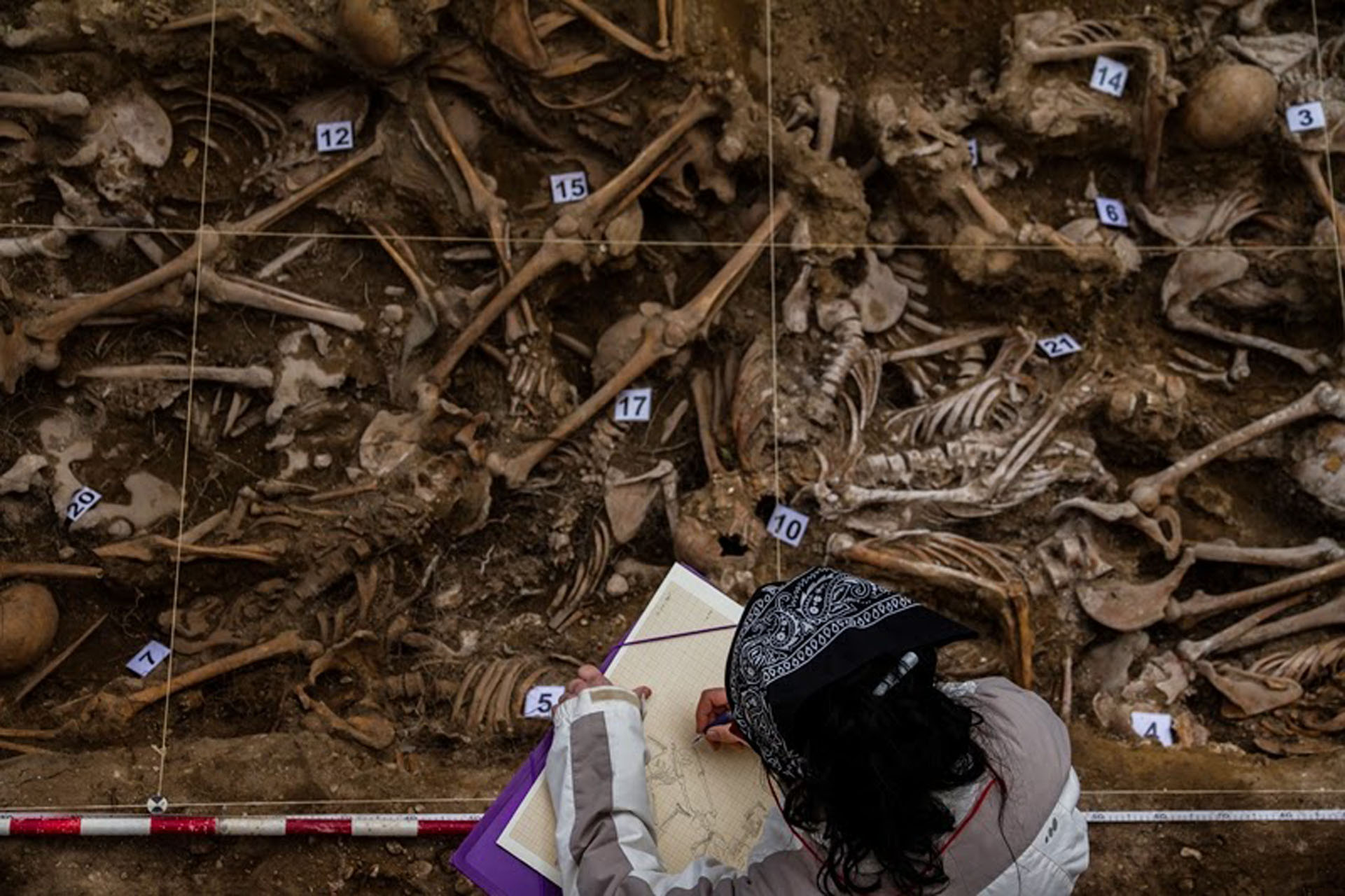
Mass graves signal a direct link to the past. Objects appear there that are reliable clues about part of the victims’ lives, everyday memories with details about the people murdered. They are therefore all essential for identifying the individuals found there and serve as conclusive evidence of the crimes.
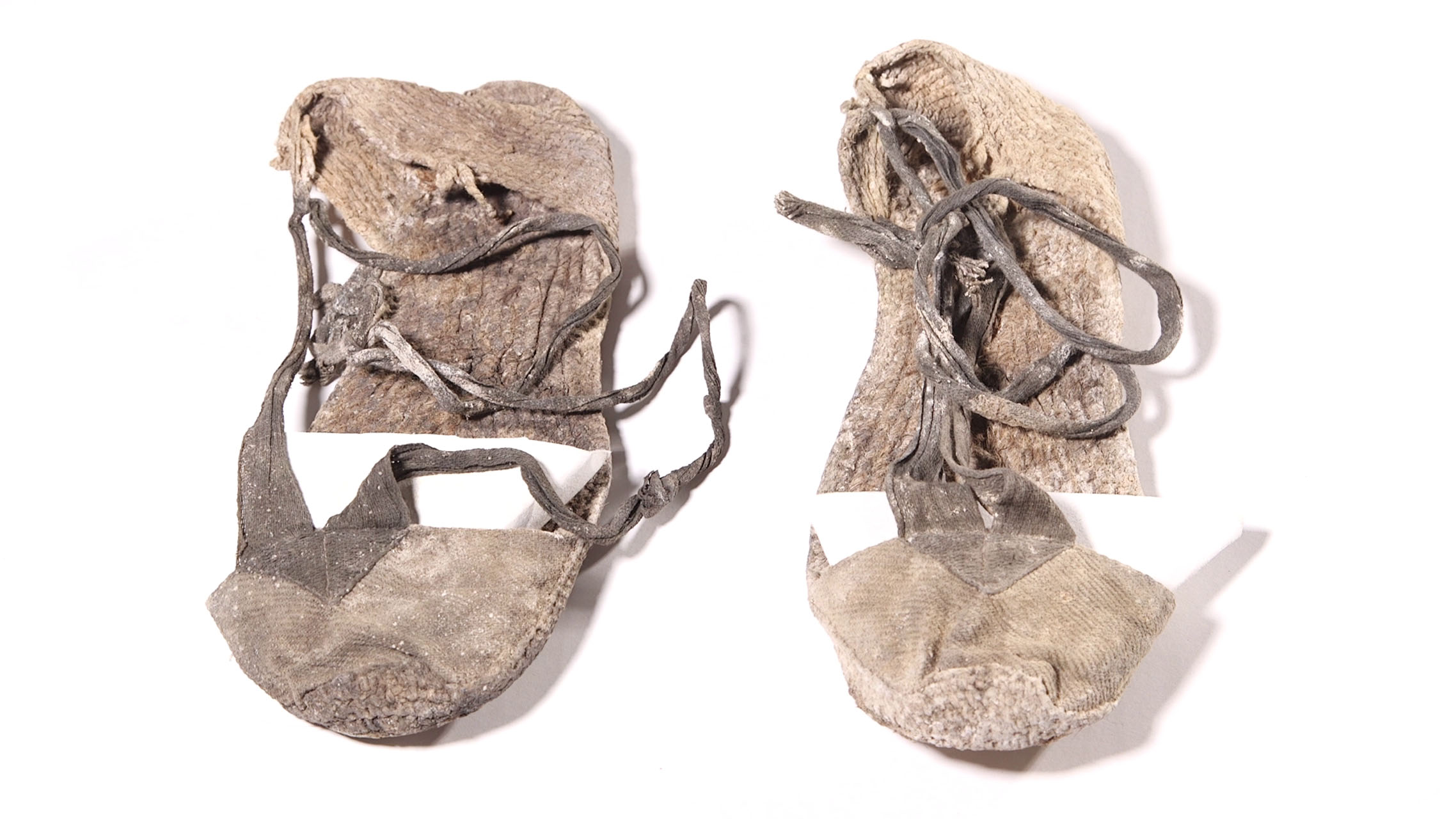
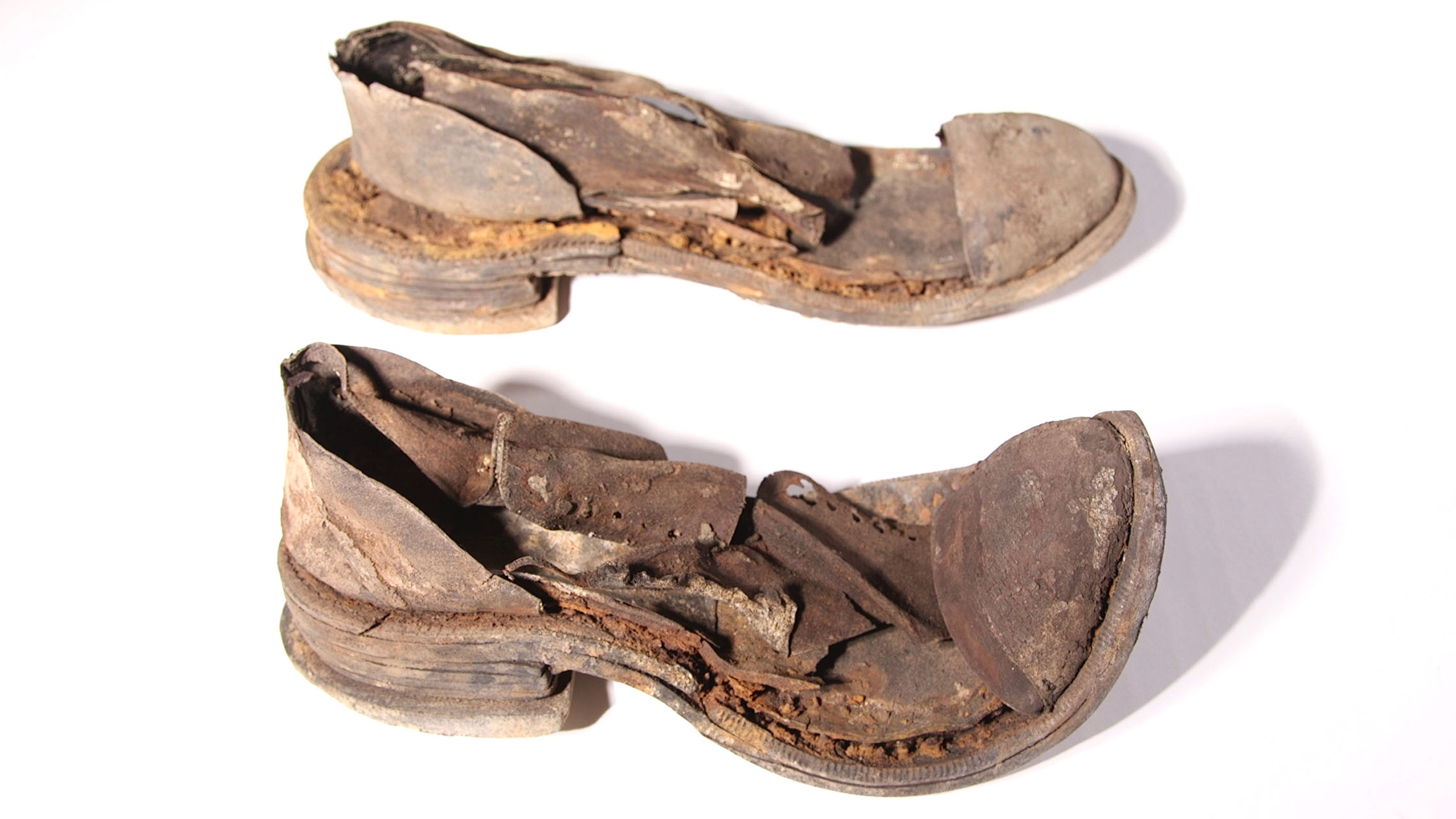
Clothing is one of the most important tools when it comes to identifying victims, but also when determining their social class or profession. The type of footwear was a defining factor, since there was a stark contrast between social classes. Not all could afford leather ankle boots or army boots, and most made do with espadrilles finished off with pieces of rubber or repurposed tyre. In the photo: Valencian espadrilles typical of farmworkers.
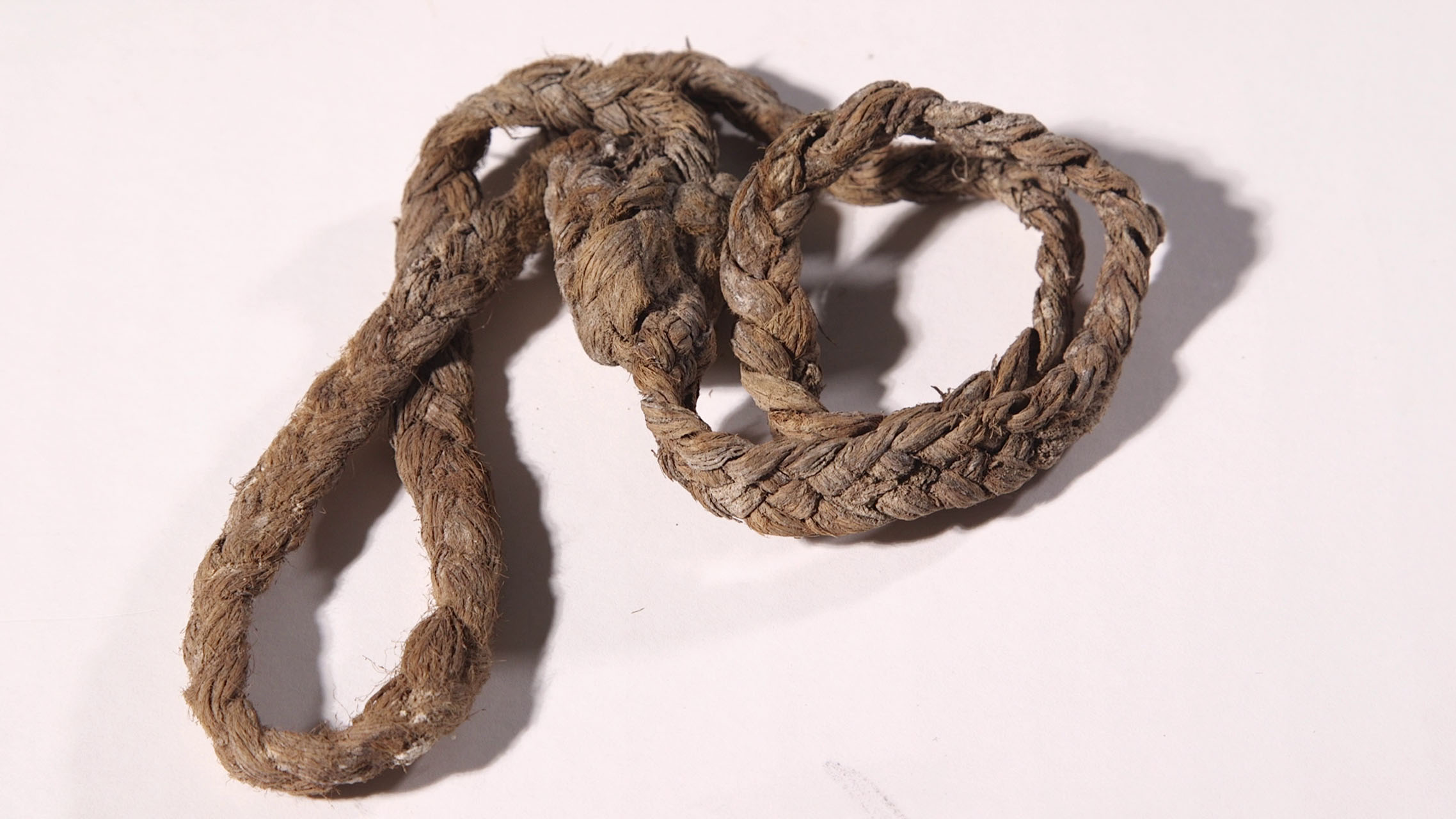
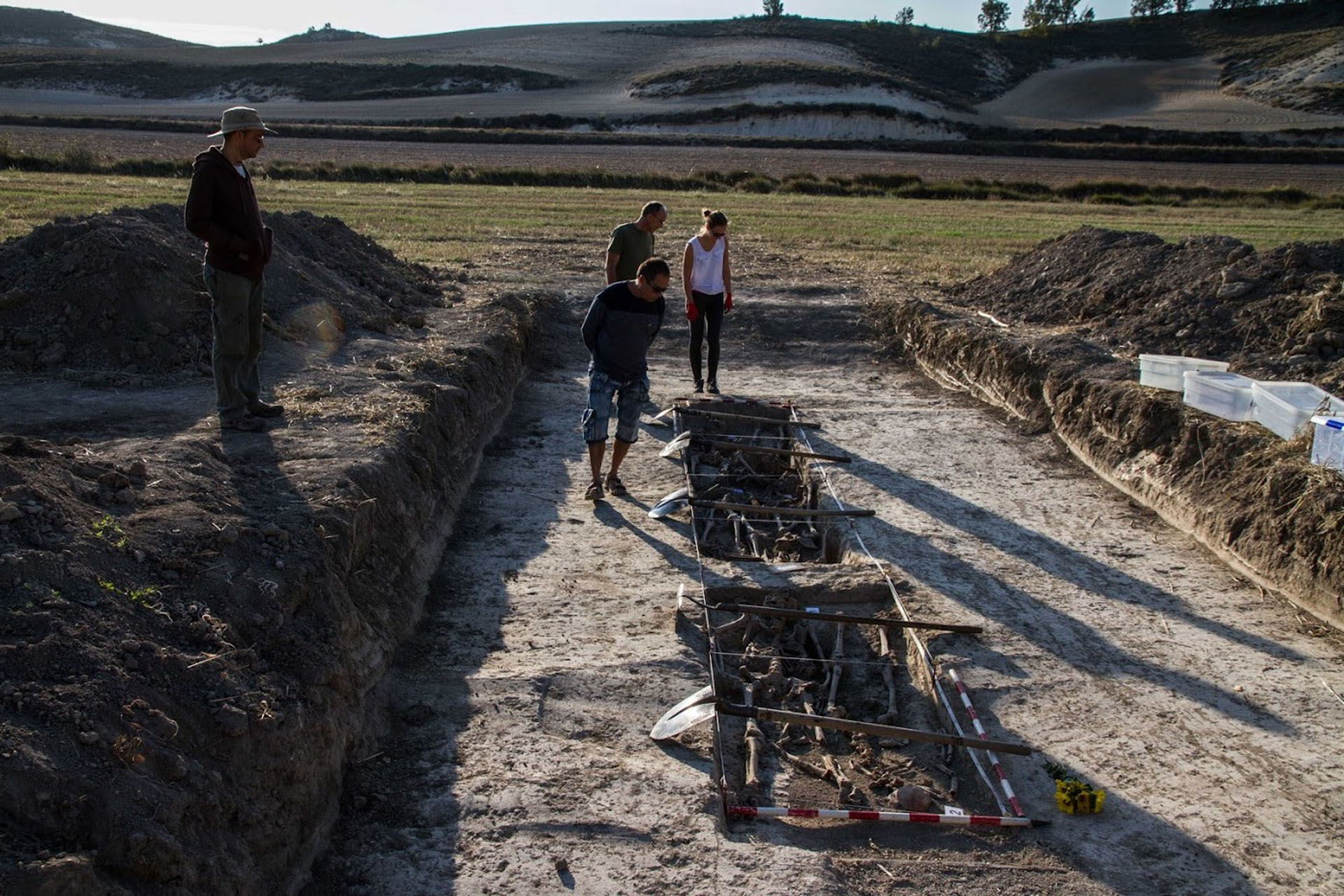
Mass graves provide direct contact with a method of extermination, while the objects – such as the ropes found alongside the bodies – reveal the mechanisms of subjugation used by the oppressors, who bound their victims to prevent them from defending themselves.
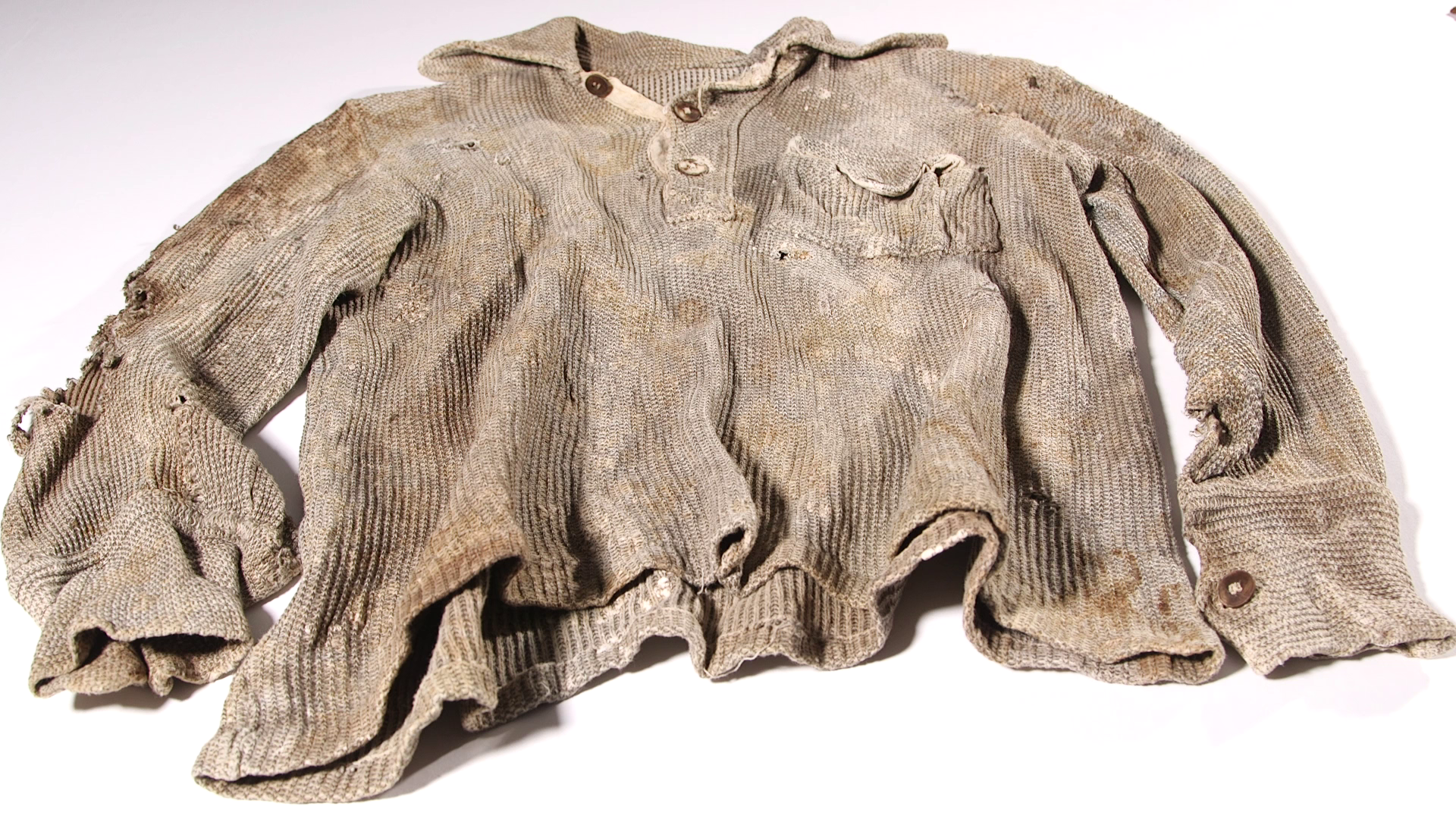
Utensils provide clues about the identity of the people who disappeared. Moreover, the effects of “saponification” as evidenced in Paterna cemetery, have enabled objects to be recovered in good condition.

Clothing belonging to a victim, with holes that could very well indicate the entry point of the bullets that killed them.
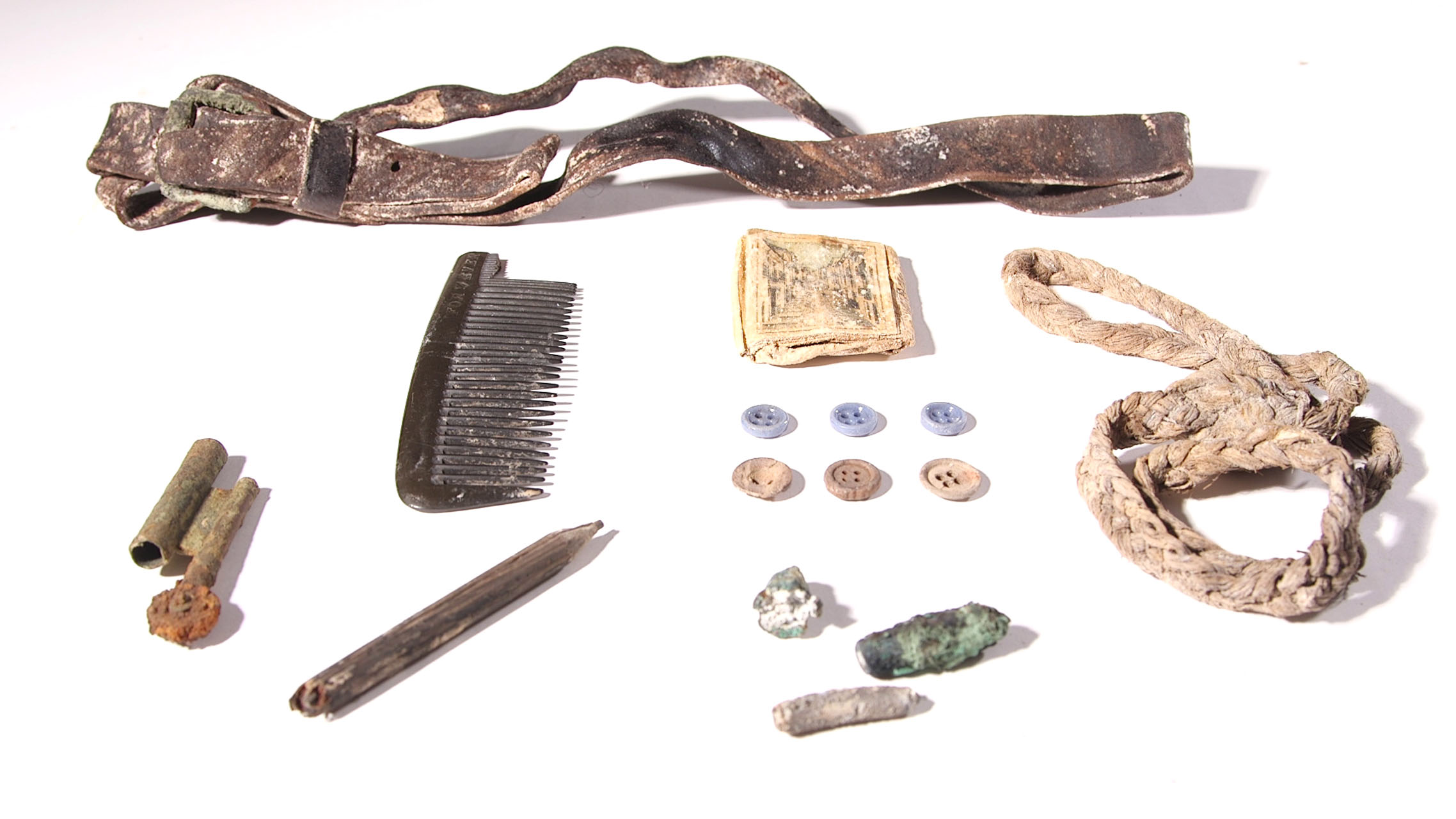
Mass graves enable numerous objects to be recovered linked to the subject’s life, such as keys, coins, broken pencils so that several prisoners could use them, lighters, or cigarette cases.
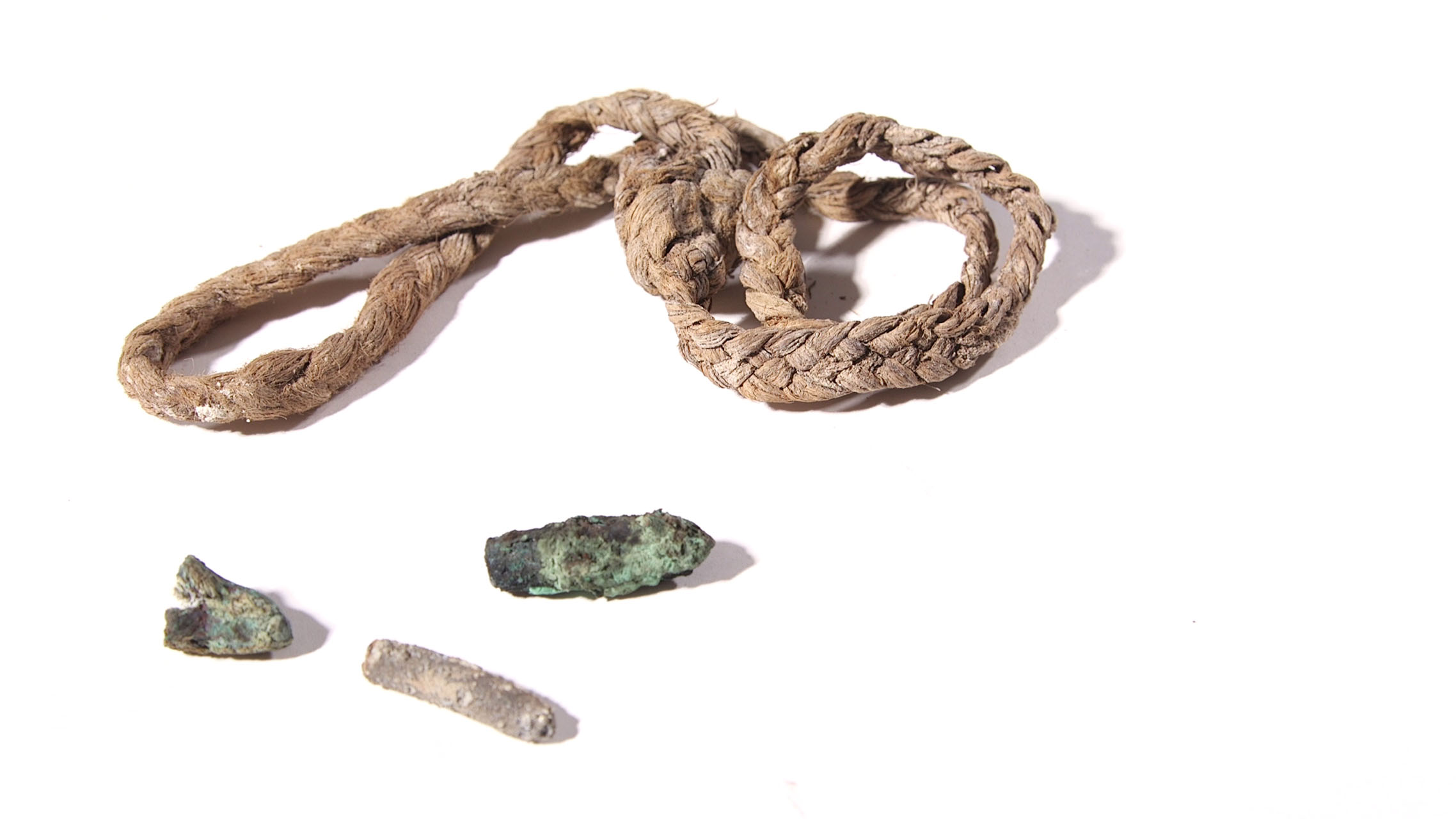
Objects that speak of a crime. A rope used to tie a victim’s hands and bullets removed from the human remains that were found. Forensic archaeology uses classic archaeological techniques in the search, location and exhumation of human remains revealing violence. Exhumation is carried out within a judicial framework essential for clarifying the circumstances of the death.
This site is registered on wpml.org as a development site. Switch to a production site key to remove this banner.